Many people feel like society is becoming more divided. The symptoms of an unhealthy culture are all around us. Do you wonder about the reasons for cultural breakdown and what we can do about it? Let’s see if we can answer these questions.

Seeker Project 4 Spiritual Exploration (SP4SE)
Techniques for exploring consciousness
Examining claims, assumptions, and belief systems using reasoning and evidence.
Many people feel like society is becoming more divided. The symptoms of an unhealthy culture are all around us. Do you wonder about the reasons for cultural breakdown and what we can do about it? Let’s see if we can answer these questions.
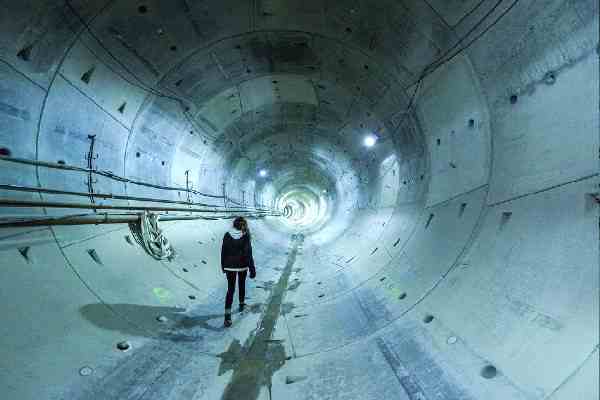
An oppressive culture is like a dark tunnel. When we look into the tunnel, all we see is darkness. To see the light, we must turn around and look at the light. This analogy describes the challenge of perceptual tunnel vision and mass hallucination.

Moving from a tribal mindset to a universal mindset is becoming harder as society becomes more divided. Many people now see the world through group identity. It creates a culture driven by polarization, fear, emotional reactivity, and social conformity. Learning to recognize and handle this conflict is a necessary skill in our modern world.

Half the world follows one of the Abrahamic traditions of Western organized religion. But few realize these faiths grew out of the ancient mystery religions. Once you see the connections, these faiths look very different.
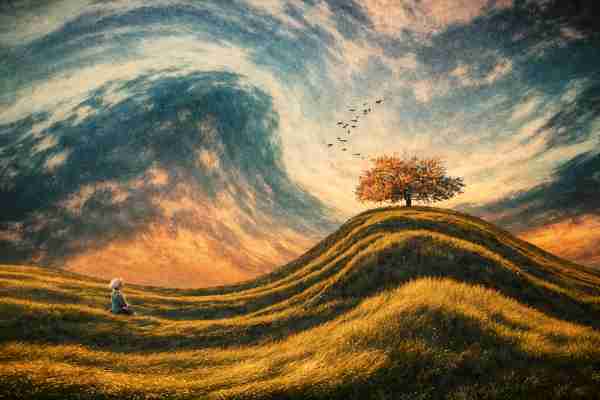
Learning how perception is shaped is important. It helps us understand why mistaking interpretation for reality is common. It also gives us the knowledge needed to deal with this tendency and perceive reality more clearly.
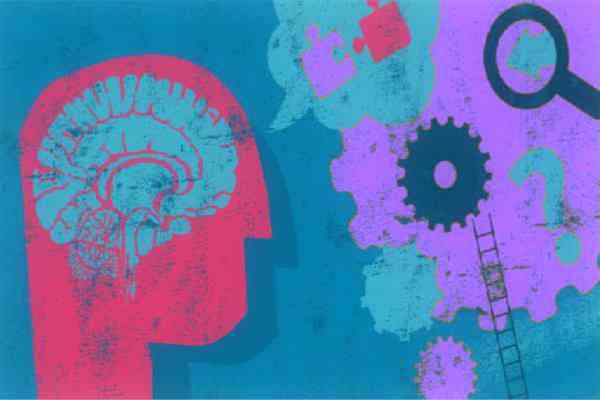
Misrepresentations and misconceptions in spiritual exploration are more than inconveniences. It leads to the acceptance of inaccurate opinions and beliefs. Let’s see why this happens and how to correct it.
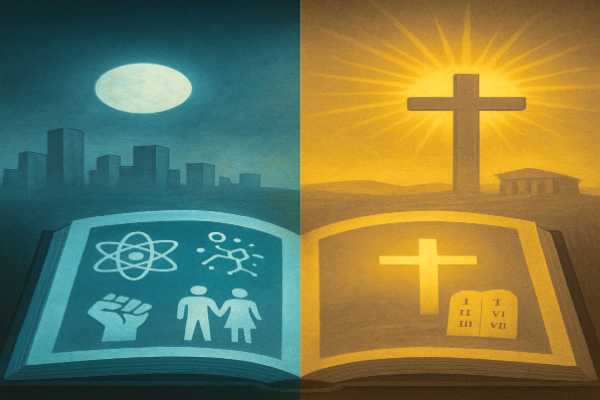
Many people care about living a life with the highest moral values and beliefs. The challenge is that people do not agree on the source of this moral guidance. Secular Humanism and Western Religion are the two major perspectives in modern culture. Choosing the right one is important for everyone.
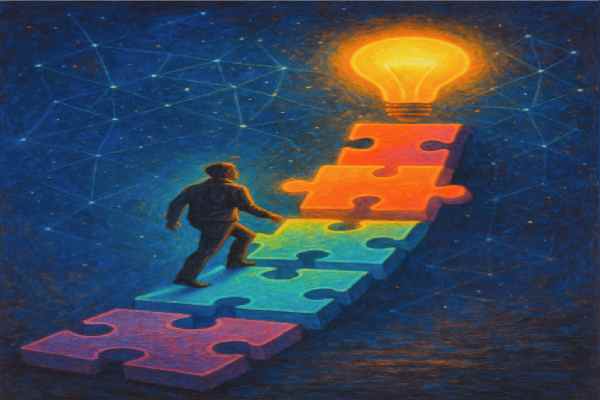
Most people struggle because they misidentify problems, rely on assumptions, react emotionally, or rush toward solutions before fully understanding the situation. Developing problem-solving skills through critical thinking solves these issues.
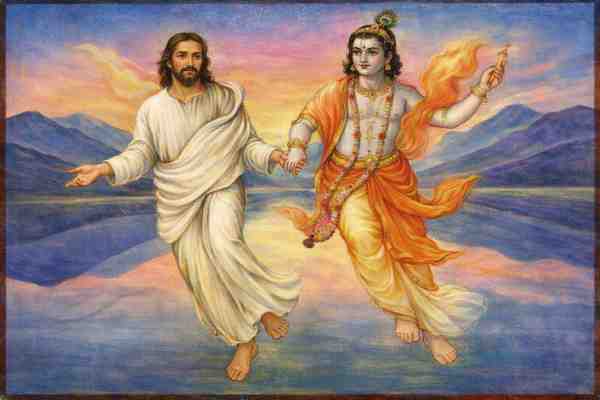
Most people learn their beliefs about God and spirituality when they are young. Family, culture, and religion often decide what you are taught. You may have never stopped to ask, “Do I really believe this?” or “Where did these ideas come from?”

This is part two of a series on hypnosis. Part one talks about how trance states open the mind. Part two is about the five stages of hypnosis and trance induction techniques. This shows how someone guides others into these suggestible states.