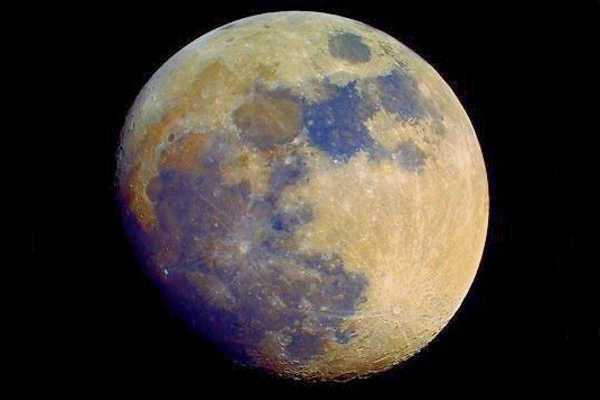
We take our lunar partner for granted. We gaze at it casually without a second thought. But if we stop and study it closely, we find it is full of strange lunar curiosities. Time to ponder the interesting observations about the Moon.
Seeker Project 4 Spiritual Exploration (SP4SE)
Techniques for exploring consciousness
Examining claims, assumptions, and belief systems using reasoning and evidence.
We take our lunar partner for granted. We gaze at it casually without a second thought. But if we stop and study it closely, we find it is full of strange lunar curiosities. Time to ponder the interesting observations about the Moon.

Understanding clairvoyance abilities, signs, and symptoms is important. This topic has always created curiosity and debate. Some people believe these abilities are real. Others think they are illusions or tricks. Understanding clairvoyance abilities, signs, and symptoms requires an open mind.
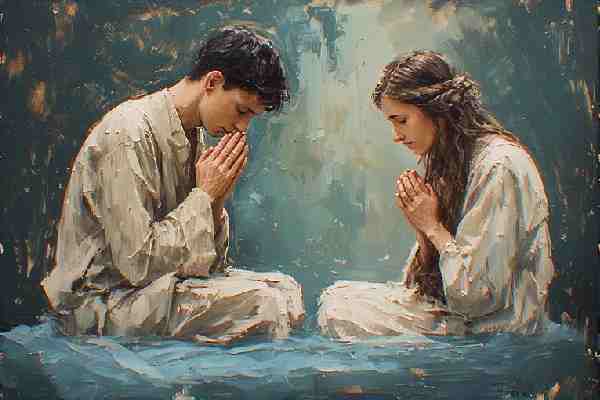
Many spiritual practices involve contemplative rituals like prayer. These methods guide how people interpret experiences and respond to the world. By understanding the mechanisms of structured pretending and prayer patterns in rituals, we can intervene and correct thinking.

Seeing shadow people in your peripheral vision is more common than most people think. These shadow figures have been reported for eons. If this has happened to you, you are not alone. Exploring the possibilities answers some questions but raises others.
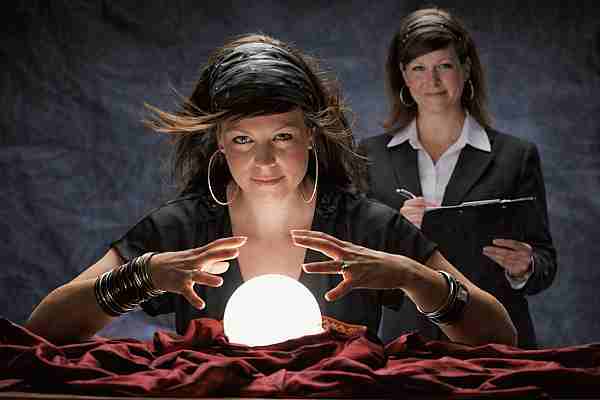
A lot of people still visit a fortune‑teller. But more and more people visit a spiritual life coach or spiritual guide. Let’s look at the similarities between these roles and see what things they handle and the techniques they use.
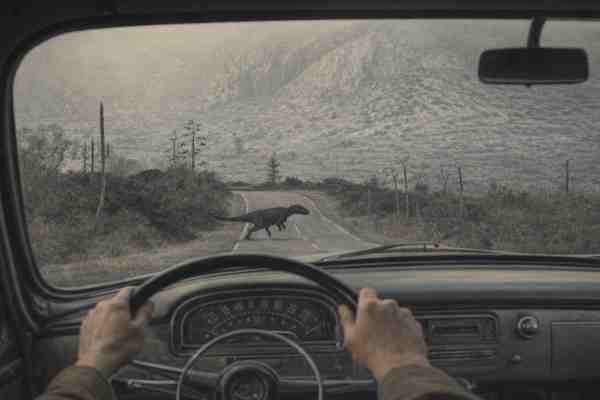
A velociraptor road-crossing encounter with an unknown phenomenon may be more common than you think. Almost half the population has seen or felt something they could not explain. How about you?
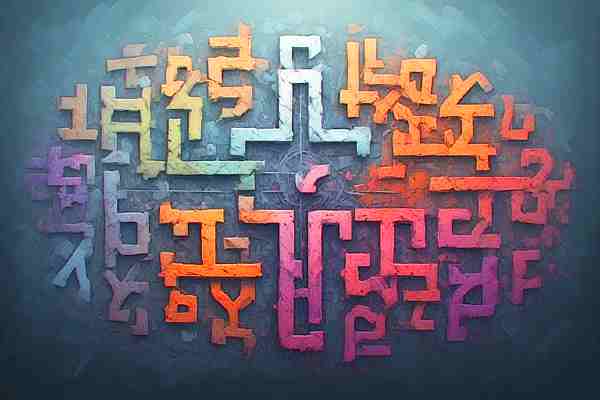
People use sigil symbolism mechanisms without realizing it. Sigils, emblems, and cultural symbols all rely on the same mechanisms of symbolic encoding. These marks guide attention, shape meaning, and hold ideas in a simple form, even outside formal ritual.
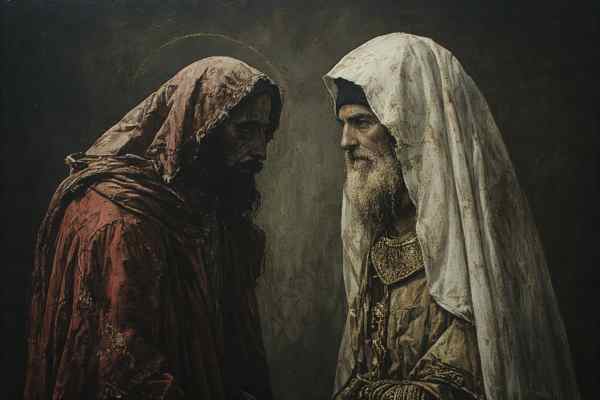
Western religion is a major force in the modern world. Yet, many of its assumptions are rarely examined. What if the moral beliefs we hold today aren’t divine truths? What if they are just leftovers from old systems? These ideas still influence how we judge, fear, and see the world.
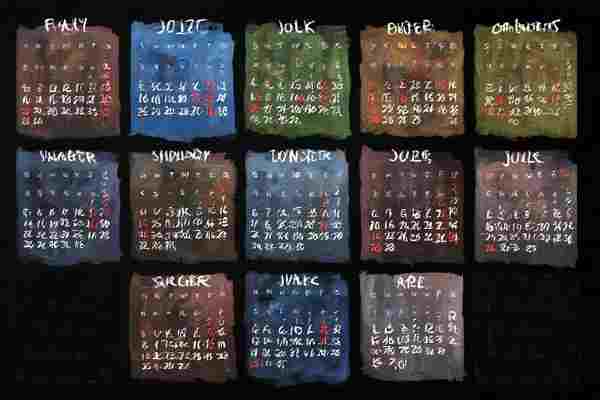
It may be time for a 13-month lunar calendar. Here’s why. The 12-month system we use now came from religion and politics, not nature. A lunar structure offers a clearer, more consistent way to track the year.
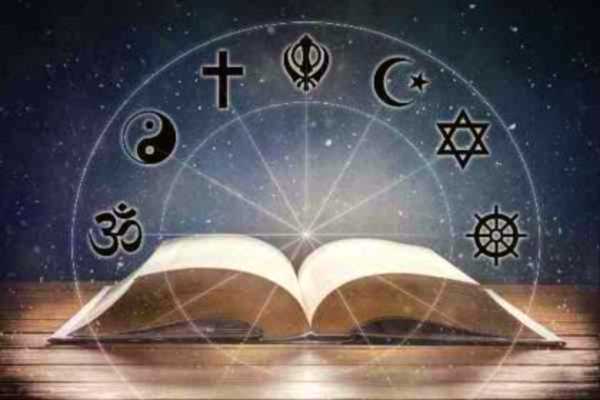
The comparative analysis process is a powerful, structured comparative religious study model. It is a platform that facilitates unbiased analysis and accurate conclusions.