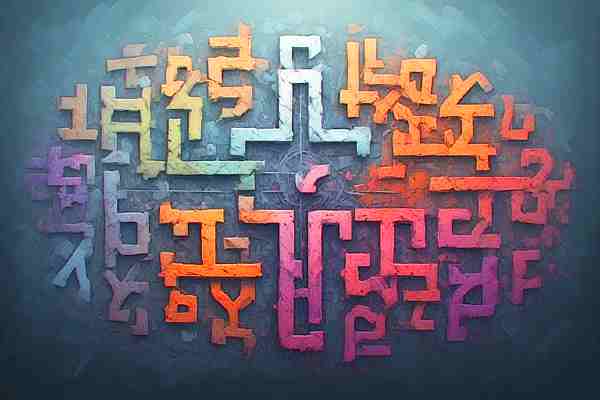
People use sigil symbolism mechanisms without realizing it. Sigils, emblems, and cultural symbols all rely on the same mechanisms of symbolic encoding. These marks guide attention, shape meaning, and hold ideas in a simple form, even outside formal ritual.
Symbols are not decoration. They can hold complex ideas. Many cultures built full systems of meaning around symbolic forms. When you understand the structure behind a symbol, you can see what it shows and what it hides.
This larger matrix of symbolic language forms the base of ritualistic magic. In this system, symbols act as working parts inside a planned sequence of actions.
The sigil symbolism mechanisms of ritual
Rituals use symbols to give meaning to both the symbol and the action. A symbol can hold many levels of meaning at once. Some meanings are shared. Some are private. When a ritual uses a symbol, the mind has a steady point to follow.
Many cultures use this pattern. The Japanese tea ceremony uses cups, bowls, and tools as ritual objects. Each object has a purpose. The slow movements and simple shapes help the mind stay present. The objects become part of the mental frame that guides attention.
Rituals work because they give the mind a structure. Symbols sit inside that structure and help the mind stay with the purpose of the ritual.
- Intent and goals
- Symbols and actions with layers of meaning
- Encoding mechanisms
The magic behind the mechanisms of symbolic encoding
Automatic conceptual understanding
Symbols work because the mind reacts to images faster than words. A symbol can hold meaning, memory, and emotion at the same time. In ritual, this gives the mind a clear point to follow.
Connect to worldview systems
Symbols also connect people to larger traditions. When a symbol carries history, it brings a sense of belonging. This emotional grounding strengthens focus.
A sigil is a symbol created to hold a clear idea. It can represent a goal, a desire, or a state of mind. The symbol becomes a simple way to hold that idea without using words. This happens through encoding.
In this context, the term magic becomes the mechanisms of symbolic encoding used to organize images and ideas into meaning and insight.
Sigils often borrow shapes from older systems. Runes, Hebrew letters, Japanese kana, and Chinese characters all influence modern sigil design. These shapes carry emotional weight and cultural memory. Sigils use this weight to help the mind settle on the idea they represent.
Sigil symbolism in cultural and magical systems
Modern daily uses
Sigils appear in everyday life. Flags act as symbolic language and symbolism mechanisms for identity and belonging. Corporate logos work like modern sigils. They hold identity, values, and emotion in a single mark. A logo shapes how people think and feel about a company.
People also use small objects as symbols. A lucky charm, a rabbit’s foot, or a pendant can act as a personal sigil. These objects carry meaning and help focus attention. Ritual-like behavior shows up in many places, even when people do not call it magic.
Historical uses
Many cultures use symbolic writing. Japanese calligraphy uses simple strokes to shape emotion and presence. Chinese characters began as pictures and grew into a full system of meaning. These forms blend image and idea. Many modern sigils draw from these shapes.
Runes were used in early Germanic cultures. They were letters, but they were also symbols carved with purpose. Modern sigil symbolism mechanisms often use rune-like lines because they feel direct and strong.
Magical systems that use sigils
| System | How it uses sigils or symbols |
|---|---|
| Witchcraft | Uses sigils to hold intentions and guide spellwork |
| Chaos Magic | Creates personal symbols to focus will and shape outcomes |
| Ceremonial Magic | Uses sigils to represent spiritual forces and ritual functions |
| Hermeticism | Blends symbols with alchemy, astrology, and metaphysical systems |
| Kabbalah | Uses sacred names and symbolic forms to map spiritual structure |
| Taoist Talismans | Calls on protective energies through encoded symbolic marks |
| Tibetan Mandalas | Acts as a symbolic map of the mind and ritual space |
Each system uses symbols to guide attention and shape inner states.
Sigils in Western religion
Western religions use symbols even if they do not call them sigils. The cross is one of the oldest symbols in human history. It has represented crossroads, life paths, and the meeting of body and spirit. Christianity later adopted it as a central symbol.
The mechanisms of symbolic encoding are reinforced by repeated use in architecture, jewelry, and artwork.
Judaism uses the Star of David and the Menorah. Islam uses the crescent and star. These symbols hold identity, memory, and tradition.
The Seal of Solomon, a hexagram of two triangles, appears in many traditions. It represents balance and unity. These symbols act as focal points for belief and shared meaning.
How sigils function inside ritual
A sigil becomes the working mechanism of the ritual. The symbol is a place-holder in the subconscious. The sigil is the steady intent behind attention. This focal point keeps the ritual on track.
The sigil shapes the way attention moves. When attention settles, the mind becomes quiet and focused. When the mind becomes quiet, intention becomes clear. When intention is clear, the actions of the ritual line up with the goal. The sigil does not force this to happen. It gives the mind a simple place to return to so the process stays aligned.
The symbol links the inner idea to the outer action. The ritual uses the symbolic language of a sigil to hold the meaning while the body performs the steps. This creates a direct path from idea to action. The sigil symbolism mechanisms keep the meaning stable while the ritual moves forward.
sigil → focal point → attention → stability → intention → action
Reiki as a working example
Reiki uses symbols as part of its healing system. Each symbol has a purpose. Some gather energy. Some clear emotion. Some support mental focus. The symbols are drawn or visualized during a session. They guide attention and shape the flow of energy.
Each symbol works with capacities that grow through practice. The mechanisms behind them are the engines that do the work. Symbolic encoding is the main driver. It organizes the meaning of the sigil and brings other mechanisms into play, such as grounding, centering, focus training, and observer awareness.
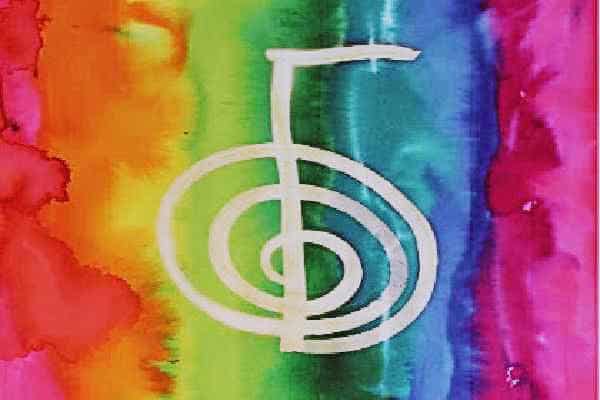
Cho Ku Rei is often the first symbol learned. It is used to draw energy in and direct it. The symbol becomes the center of the working. The practitioner writes the symbol on paper or in the air. This focuses the mind through action and strengthens the intent of the working.
Reiki training includes cleansing and attunement rituals to encode and stabilize these mechanisms. The symbols are passed from teacher to student. They are not part of formal Japanese writing, but they use simple strokes. The symbols help the mind settle and stay with the purpose of the session.
Reiki shows how a symbol, a clear intention, and a simple ritual can work together as one system.
Creating and using sigils and symbolic encoding
To create your own sigils, shape your goal into a graphic form. It should be a symbol that has a clear meaning to you and can be used in repeated practice.
People use different methods:
- Automatic writing
- Drawing shapes until one feels right
- Circles and group rituals
- Seasonal ceremonies
These patterns appear in many traditions, including Catholicism and Freemasonry.
The symbol is the link to the goal. Encoding gives it the power to hold that meaning.
A sigil can also support affirmations. The symbol becomes a reminder of the new pattern being built. This helps the mind return to the idea without effort.
Many traditions teach that magic should not cause harm. A clear and positive goal creates a stable outcome.
Conclusion
Sigils appear in religion, magic, art, and daily life. The mechanisms of symbolic encoding follow a simple pattern: a mark holds meaning, and the mind follows the mark. When a sigil is placed inside a ritual, it becomes the point where intention and action meet.
Building a personal library of symbols can deepen any practice. Let the symbols grow and change as understanding grows. A sigil becomes a living mark that carries the energy and values a person wants to express.
References
- Man and His Symbols, Carl G. Jung.
- The Archetypes and the Collective Unconscious, Carl G. Jung.
- Symbols: A Universal Language, National Institutes of Health.
- Visual Perception and Symbol Recognition, National Library of Medicine.
- Attention and Cognitive Processing, National Institute of Mental Health.
- The Golden Bough: A Study in Magic and Religion, James George Frazer.
- The Book of Symbols: Reflections on Archetypal Images, Taschen.
- Semiotics: The Basics, Daniel Chandler.
- Semiotics, Stanford Encyclopedia of Philosophy.
- Symbol, Wikipedia.