Nordic folklore preserves an older way of seeing our place in nature. Its stories grew from lives shaped by the land, sea, weather, seasons, animals, sun, and sky. They remind us that nature is not somewhere else; it’s where human life happens.

Seeker Project 4 Spiritual Exploration (SP4SE)
Techniques for exploring consciousness
Nordic folklore preserves an older way of seeing our place in nature. Its stories grew from lives shaped by the land, sea, weather, seasons, animals, sun, and sky. They remind us that nature is not somewhere else; it’s where human life happens.

Cognitive dissonance is the tension that appears when beliefs conflict with new information. The strategies for dealing with cognitive dissonance help you manage conflict. This way, you won’t let the need for quick relief dictate your choice.

It is common to experience difficulty meditating because the mind acts like a wild horse. It wanders, becomes bored and restless, and takes unscheduled detours. Nothing is wrong, but these natural tendencies become obstacles when we want to meditate. Here’s your meditation troubleshooting guide to help in taming the restless mind.

Most of us think we can spot propaganda, deception, and weak arguments. Yet these tactics work every day because they often sound reasonable at first. Practical axioms give us simple warning signs that tell us when to look closer.
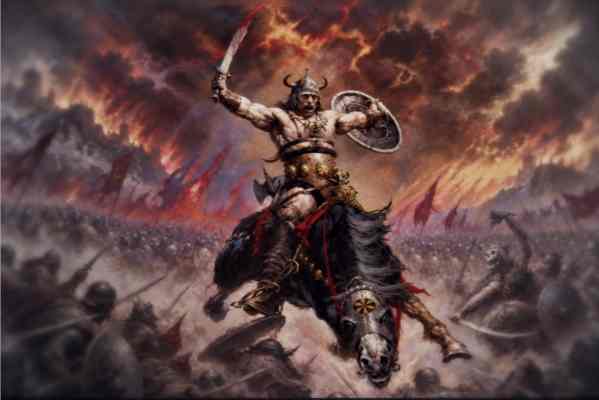
Myth and symbolic stories shape culture. They turn ideas, values, fears, and experiences into narratives that people can remember and share. Those stories pass from one generation to the next. They shape culture and carry its meaning forward.

Does the soul exist? Investigating the existence of the human spirit or soul seeks the answer. The question lacks a simple answer. There are at least seven different ways to approach this subject. We will look at each to see how it helps illuminate this topic.
Religious camouflage can make weak reasoning difficult to recognize. By hiding illogical thinking behind tradition, religions make unsupported claims seem reasonable. Spotting camouflage helps us make better decisions before accepting ideas.

Lawyers practice law. Doctors practice medicine. Musicians rehearse. Scientists test and revise their ideas. They keep practicing because mastery is never finished. The art of living life as an artistic process works the same way: we learn, adjust, and refine as we go.
People talk about authentic faith as if everyone agrees on what it means. They do not. There are different perspectives on authentic faith. Learning to spot these different perspectives helps us understand what someone means when they use the term.

Thinking feels automatic, but it’s the result of a process. Understanding how we reach a conclusion helps us to form more accurate conclusions. We learn to see when our thinking is strong and when it fails. It also shows us that what can go wrong can still seem right.