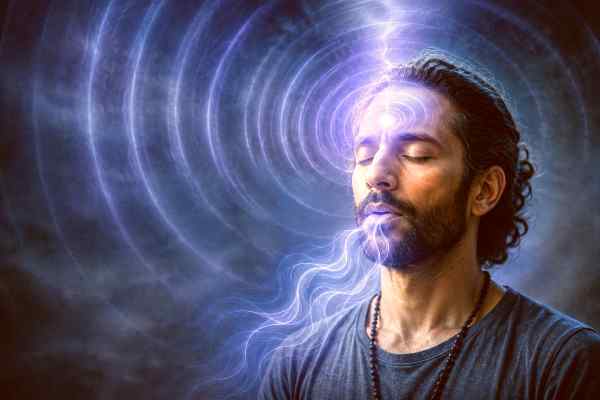
The third-eye activation process is an advanced practice that uses breath, sound, attention, and vibration to change inner perception.
Seeker Project 4 Spiritual Exploration (SP4SE)
Techniques for exploring consciousness
The third-eye activation process is an advanced practice that uses breath, sound, attention, and vibration to change inner perception.

Building a self-care routine for work-life balance helps protect your time, energy, and health. The goal is not to add more tasks. It is to create a simple plan that helps you rest, recover, and manage daily demands.

Religious extremism appears in many cultures and belief systems. The Abrahamic traditions of Christianity, Islam, and Judaism are built on extremist philosophies. They inspire movements that use religious authority to divide people, control public life, or excuse harm. Comparing them reveals patterns that reach beyond any one religion.

Routine psychological maintenance helps you notice changes in your thoughts, emotions, and reactions before ordinary strain becomes harder to manage. It gives you a chance to pause and make small corrections.

Many people feel like something is holding them back, and they are often right. Self-limiting thinking acts like walls. They limit what we see and think is possible. The first important step in correcting this is identifying self-limiting thinking.

We have all made decisions we later wished we had not. Misjudgment can cost time, money, opportunity, trust, and relationships. Correcting misjudgment starts with knowing why it happens. Then, you can learn to change course before things get worse.

People often accept ideas because they want comfort, answers, or direction. The test-first method helps us make better decisions by slowing down our thinking. It gives us time to examine what is real and decide what deserves our acceptance.

When extremists rule, they change more than the culture and the laws. It leads many to ask, are freedom and autonomy possible under this type of government? It is a question worth exploring because it affects everyone today.

Meditation methods are deliberate ways of training attention. They involve a range of seated and moving practices. Meditation is often the central method for spiritual practice and self-development. Selecting the right practice is important. This article can help you make an informed choice.

The emotional check-in process helps you manage emotional readiness before, during, and after emotionally charged interactions. It helps you notice emotional activation, restore enough stability for clear thinking, and decide whether to continue, pause, recover, or seek support.