
Shadow work brings the rejected parts of yourself back into the light. These are the things you learned to hide, often so long ago that you forgot they were there. By learning how the shadow forms and how it shows up in daily life, you can turn what you once denied into real strength.
This article walks you through what the shadow is, how it forms, and how it comes to the surface. You’ll discover practical shadow work methods. You’ll see what integration looks like. Plus, you’ll learn how to tell if your inner work is progressing or stuck.
Shadow work and inner work fit into a larger framework that helps to explain the main functions of the mind.
➡ For more, see: The Spiritual Technologies: Pillars, Capacities and Mechanisms
Inner Work Gate:
This process may challenge long-held beliefs, self-definitions, and patterns
that have become part of how you understand yourself. Questioning and changing
these patterns can create discomfort or resistance before greater clarity
develops. A stable emotional foundation should come first.
Shadow work and the rejected self
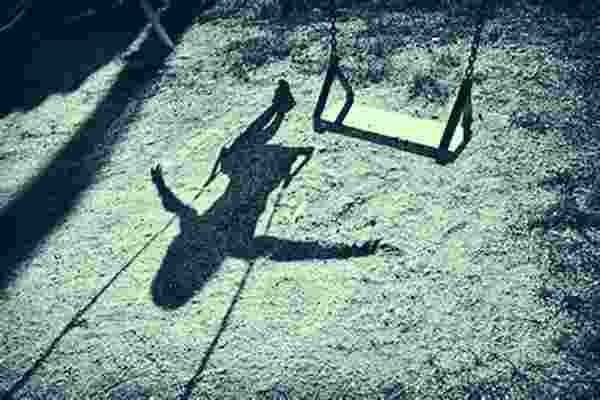
Everyone carries parts of themselves they would rather not see. Maybe you learned as a child that anger was bad, so you learned to swallow it. Maybe crying got you teased, so you stopped letting anyone see you sad. Those feelings did not go away. They simply moved out of sight.
The psychologist Carl Jung called this hidden part of the mind the shadow. It holds the traits, feelings, and desires we pushed away because they did not fit the person we believed we had to be.
It is easy to think of the shadow as the dark or evil side of a person, but that is not quite right. The shadow aspect of the self is not evil. It is unintegrated.
Some of what lives there is painful, like shame or envy. Some of it is surprisingly good, like confidence or creativity that someone once told you was “too much.” What these parts have in common is that you learned to deny them.
The shadow usually holds things like:
- Traits you criticize in others but cannot see in yourself
- Emotions you were taught were wrong to feel
- Desires you learned to feel ashamed of
- Weak spots you cover up by acting tough or superior
How the shadow forms
The shadow grows wherever your sense of who you are becomes too rigid. Picture someone who has built their whole identity around being strong. Every time they feel afraid, that fear threatens the picture they have of themselves, so they push it down and pretend it is not there.
The same thing happens to the person who sees themselves as deeply moral. They struggle to notice the times they hurt others, because admitting it would crack that image. Someone who prides themselves on always being kind may carry years of quiet resentment they have never let themselves feel.
In each case, the self-image needs something left out in order to stay whole. The tighter you hold onto the picture, the more you have to hide, and the bigger your shadow becomes. That is why shadow work often reveals blind spots that ordinary self-reflection misses. Left alone, these hidden parts can grow strong enough to override our instincts and moral compass.
The shadow is not conditioning
People sometimes mix up the shadow with mental conditioning, but the two come from different places. Conditioning is something put into you from the outside. Family, school, religion, and media repeat certain messages until they become beliefs and habits that run on their own.
The shadow works in the opposite direction. It is made of the parts of yourself you pushed out so you could fit those messages. If your family taught you that nice people never get angry, the rule itself is conditioning. The anger you buried to follow that rule is your shadow.
Knowing the difference matters because each one calls for a different kind of work. Conditioning is examined by questioning the beliefs you were given. Shadow work is about finding and welcoming back what you rejected.
➡ For more, see: Mental Conditioning and Social Programming: Layers of Influence
➡ For more, see: How Mental Conditioning and Brainwashing Shape Beliefs
How projection reveals the shadow
If the shadow is hidden, how do you ever find it? Usually, it finds you. What we deny about ourselves does not simply disappear. Instead, we start seeing it in other people. Psychologists call this projection. It works a bit like a movie projector casting an image onto a screen. The picture looks like it belongs to the screen, but it is really coming from the projector.
You can see projection at work whenever a small thing someone does sets off a big reaction in you. A coworker who brags may make you angrier than the moment deserves. A friend who says no easily may leave you feeling strangely annoyed.
When your emotional reaction is out of proportion to what happened, it is often a sign you have touched something you have not accepted in yourself. We tend to judge most harshly the traits we cannot admit we have. W end up viewing the world through the lens of what we buried.
➡ For more, see: The Mirror Effect: The Hidden Meaning in Everyday Encounters
Shadow work practices
Shadow work is not a trend or a spiritual style. It is a steady practice of looking honestly at what you have refused to see. The methods below give you a place to start. They work best when you feel calm and rested, and when you are willing to go slowly.
Interrupting automatic reactions
Much of what we call personality runs on autopilot. We react before we think, and we judge before we ask questions. These automatic responses do not mean something is wrong with you. They are habits that formed over many years.
Shadow work begins the moment you catch one of these reactions and pause long enough to look at it. That pause changes the question you ask yourself.
Instead of asking, “Why are they like this?”
Ask, “Why did I react that way?
Then, ask, “What belief or fear is operating beneath this response?”
This simple shift moves your attention from the other person back to yourself. Blame turns into curiosity, and a conflict becomes useful information instead of just a bad day.
➡ For more, see: How Faith Operates as Truth — When Belief Mimics Facts
➡ For more, see: Moving From Ego Identification to Observer Awareness
Projection tracking
Projection tracking is a way of collecting evidence about your shadow over time. Whenever someone sparks a strong reaction in you, write it down as soon as you can. Note what the person did, which trait bothered you, and what you felt in your body.
Keep each entry short and honest. After a few weeks, read them back. You will often notice the same trait showing up again and again in different people. That repeating trait is one of the strongest clues you will get about what you have pushed out of sight.
Emotional reversal
Once you notice a trait that keeps bothering you, emotional reversal helps you look at it from the other side. You take the judgment you made about someone else and turn it back toward yourself. The goal is not to beat yourself up but to ask an honest question.
Instead of saying, “They are arrogant,” ask, “Where does arrogance exist in me?”
Instead of saying, “They are selfish,” ask, “Where do I hold back?”
Instead of saying, “They are controlling,” ask, “Where am I afraid of losing control?”
These questions can sting, and that is normal. Often the honest answer is “a little” or “in a different way.” A person who cannot stand arrogance may discover that they quietly feel superior to the people they call arrogant. That small discovery is where real change begins.
Identity deconstruction
Because the shadow forms around rigid self-images, it helps to look closely at the labels you use to describe yourself. Make a list of words that describe who you are, such as strong, loyal, independent, kind, or responsible. Then, for each word, ask what that identity does not allow you to feel or admit.
A person who is always “the responsible one” may find they are not allowed to feel tired, needy, or carefree. Whatever each label forbids points straight toward the shadow it created.
When a reaction is not projection
Not every strong reaction is a projection. Sometimes a person really is unsafe, and the uneasy feeling you get around them is a healthy warning.
Your body often notices danger before your mind can explain it.
Shadow work is never a reason to ignore red flags or to blame yourself for someone else’s harmful behavior. The real skill is learning to tell the difference between a danger happening right now and an old, rejected part of yourself being stirred up.
Supporting tools for shadow work
Several other tools can support this work.
- The Enneagram shows the patterns your personality uses to protect itself. Journaling turns vague feelings into words you can see on a page.
- The repetitive question technique helps you dig below your first, rehearsed answer.
- The memory rewind technique helps us see that memory is not an exact picture of what happened. It is a constantly changing movie influenced by imagination and what we experience.
None of these tools is shadow work by itself, but each one shines a little more light into the hidden places. Keep what you discover in your inner-work journal, the Book of Shadows, so you can watch your patterns change over time.
➡ For more, see: Using the Memory Rewind Technique for Inner Work
➡ For more, see: The Repetitive Question Technique
➡ For more, see: The Architecture of Journaling as The First Tool
Integration as the aim of shadow work
The goal of shadow work is not to find more reasons to criticize yourself. The goal is integration, which means welcoming the rejected parts back so that you feel whole instead of divided.
Integration does not mean acting on every impulse you find. If you uncover buried anger, you do not need to start yelling at people. It means admitting the anger is there, understanding where it came from, and choosing what to do with it.
This brings a surprising kind of calm. Hiding parts of yourself takes a lot of energy, even when you do not notice it. Letting go of the need to protect your self-image frees up energy. This energy can then lead to clearer thinking and deeper compassion for yourself and others. The aim was never to become perfect. The aim is to become whole.
What integration produces
When a rejected part is welcomed back, it often changes form.
- Anger that once came out as aggression can become clarity, the ability to see what is wrong and say so calmly.
- Fear that once froze you can become healthy caution that helps you think before you act.
- Ambition that once pushed you to dominate others can become disciplined purpose that guides your work.
In each case, the raw energy stays, but it stops controlling you and starts working for you. Over time, your reactions turn into responses you actually choose.
Sometimes integration also uncovers a harmful belief that needs to change. When that happens, a step-by-step repair process can help.
➡ For more, see: The Core Process for Repairing Harmful Thinking, Beliefs and Values
The shadow you cast
Your shadow does not stay inside you. Like a shadow on the ground, it falls on the people around you. It shows up in your tone of voice, in the decisions you make, in the way you lead, and in how you treat the people closest to you.
Everyone casts some kind of shadow. The real question is what shape yours takes.
When fear goes unexamined, it often turns into a need to control others. Avoiding insecurity can lead to arrogance. Also, buried resentment can turn into hidden cruelty masked as principles. The opposite is true as well. Suffering that has been worked through can grow into empathy. Power that has been faced honestly becomes steadiness, and real self-knowledge becomes humility.
This is why shadow work cannot stay locked inside your journal. Its success shows up in your relationships. One of the most honest ways to measure your progress is to notice how people feel around you.
Do they seem smaller or steadier in your presence?
Do they feel judged or understood, pushed or respected?
Their responses often reveal the shadow you cast more clearly than anything you say you believe.
The collective shadow
Groups have shadows too. Families, communities, religions, and nations show their members what traits are good and which are shameful. Over time, the traits a group condemns become traits its members cannot admit to themselves.
Shadow work often reveals how tightly the ego clings to these shared stories. A good rule of thumb is that whenever a belief feels too sacred to question, or a reaction feels completely righteous, it deserves a closer look. The goal is not to reject your culture or rebel just for the sake of it. The goal is to see clearly which beliefs you have truly chosen.
➡ For more, see: Questioning the Cultural Narrative: The Invisible Operating System
➡ For more, see: The Cultural Values Test
Signs shadow work has stalled
Some people worry that shadow work will make them self-absorbed. When it is done well, the opposite happens, and you become better at connecting with others. If your inner work is leaving you more isolated, more superior, or more detached from people, that is a sign it has stalled somewhere along the way.
Healthy shadow work tends to show up in everyday life in quiet ways:
- You stay more patient when life gets stressful.
- You have more room for people who are different from you.
- You need less approval from others to feel okay.
- You set boundaries clearly, without punishing anyone.
This work does not have to be intense all the time. What it needs is regular honesty, a habit of checking in, noticing what has shifted, and adjusting as you go.
Self-awareness is less like crossing a finish line and more like tending a garden. People who have practiced shadow work for years rarely claim to be enlightened. Instead, they are steady. They can bend without breaking, and they can hold firm beliefs without hostility. Their shadow becomes less dramatic and more grounded, which is the quiet proof that integration is taking hold.
➡ For more, see: The Stages of Spiritual Maturity
Final thoughts on shadow work
Inner work is the careful examination of the patterns that shape your thoughts and actions. Shadow work is one part of that greater effort, and it focuses on facing and welcoming back what you have rejected. The shadow you cast on others is the visible result of that work, or of its absence.
If this process feels unsettling, that is expected. Your sense of identity naturally pushes back when it is examined, and clarity takes time. Go at a pace that keeps you steady, and lean on trusted people or a counselor when the material gets heavy.
When no framework seems to hold up, you can always return to one simple measure: be kind. Kindness is often the clearest sign that someone has faced their shadow and chosen not to pass it on to others.
References
- The Archetypes and the Collective Unconscious. Carl G. Jung, 1959.
- Aion: Researches into the Phenomenology of the Self. Carl G. Jung, 1951.
- Two Essays on Analytical Psychology. Carl G. Jung, 1953.
- Man and His Symbols. Carl G. Jung and Marie-Louise von Franz (eds.), 1964.
- Projection and Re-Collection in Jungian Psychology: Reflections of the Soul. Marie-Louise von Franz, 1980.
- Owning Your Own Shadow: Understanding the Dark Side of the Psyche. Robert A. Johnson, 1991.
- Meeting the Shadow: The Hidden Power of the Dark Side of Human Nature. Connie Zweig and Jeremiah Abrams (eds.), 1991.
- The Ego and the Mechanisms of Defence. Anna Freud, 1936.
- Freudian Defense Mechanisms and Empirical Findings in Modern Social Psychology. Roy F. Baumeister, Karen Dale and Kristin L. Sommer. Journal of Personality, 1998.
- A New Look at Defensive Projection: Thought Suppression, Accessibility, and Biased Person Perception. Leonard S. Newman, Kimberley J. Duff and Roy F. Baumeister. Journal of Personality and Social Psychology, 1997.
- Paradoxical Effects of Thought Suppression. Daniel M. Wegner, David J. Schneider, Samuel R. Carter and Teri L. White. Journal of Personality and Social Psychology, 1987.
- Individual Differences in Two Emotion Regulation Processes: Implications for Affect, Relationships, and Well-Being. James J. Gross and Oliver P. John. Journal of Personality and Social Psychology, 2003.
About this project
The Seeker Project 4 Spiritual Exploration (SP4SE) is a project of Americans In Alliance. The mission of SP4SE is spiritual education. The mission of Americans In Alliance is environmental conservancy. Click the links below to learn more and support our efforts.