Ever wonder why fairy tales, folklore, and myths endure? Some stories survive for centuries while most disappear. Their endurance suggests they provide something more than entertainment. It’s a phenomenon worth investigating.
Seeker Project 4 Spiritual Exploration (SP4SE)
Techniques for exploring consciousness
Examining claims, assumptions, and belief systems using reasoning and evidence.
Ever wonder why fairy tales, folklore, and myths endure? Some stories survive for centuries while most disappear. Their endurance suggests they provide something more than entertainment. It’s a phenomenon worth investigating.
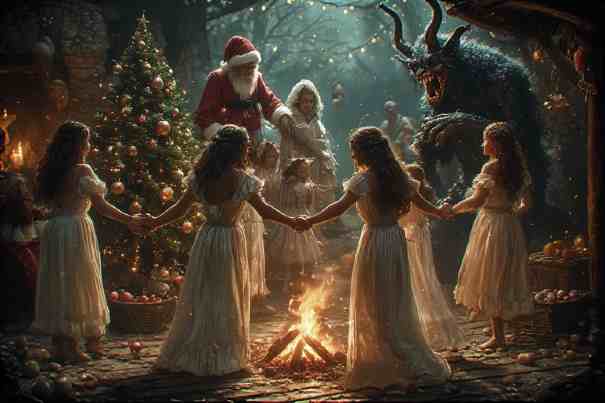
Seasonal festivals existed long before Christianity shaped the Western calendar. Ancient societies watched the sun’s movement out of necessity. The pagan origins of Christian holidays and festivals show their connections.
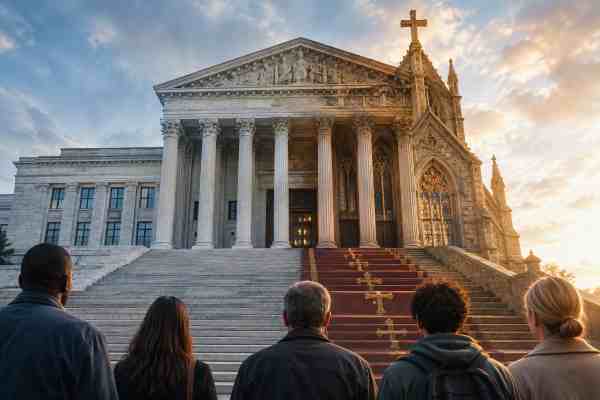
When religious law becomes State law, the government enforces biased and prejudiced beliefs. A person no longer chooses whether to follow a faith. The state makes that choice for them. The follower mindset becomes a legal duty for every citizen, believer or not.

Non-negotiable sacred ground can provide stability, meaning, and moral direction. It can also hide harmful assumptions and biases. These conclusions often escape criticism. The challenge is determining when sacred ground defends harmful thinking.
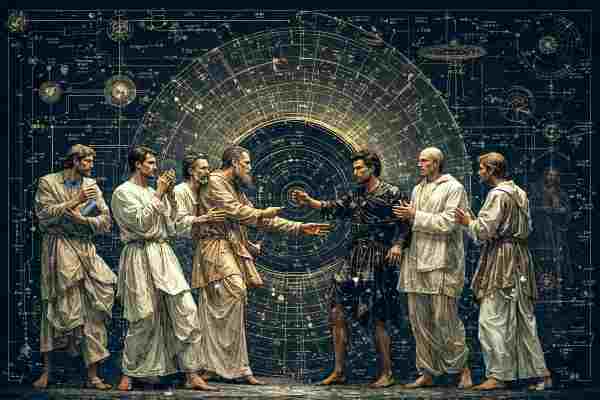
Ritual, prayer, magic, and salvation may use very different language. Yet each can connect certain conditions with a promised result. A ritual causation formula helps us examine how that cause-and-effect claim is built.
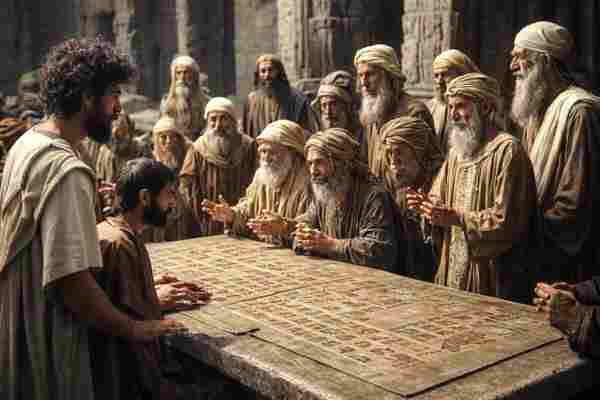
The rebranding of magic by religious authority is a lesson in institutional power. It shows how authority is centralized and preserved through structural control. This story becomes visible when we examine the history of the process.
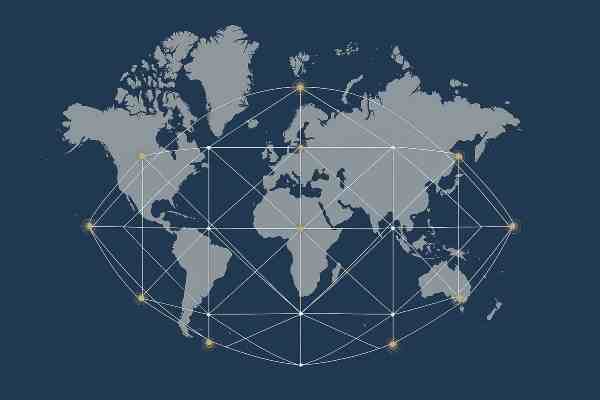
The 12 Vile Vortices describe a global pattern of strange phenomena. Ivan T. Sanderson coined the term and mapped these sites into a vortex energy map that corresponded to the ancient idea of ley lines.

Religious and spiritual language often uses the same words for different ideas. Words such as faith, spirit, truth, God, sacred, and belief seem straightforward. But often, two people realize they mean different things.

Most of us think we can spot propaganda, deception, and weak arguments. Yet these tactics work every day because they often sound reasonable at first. Practical axioms give us simple warning signs that tell us when to look closer.
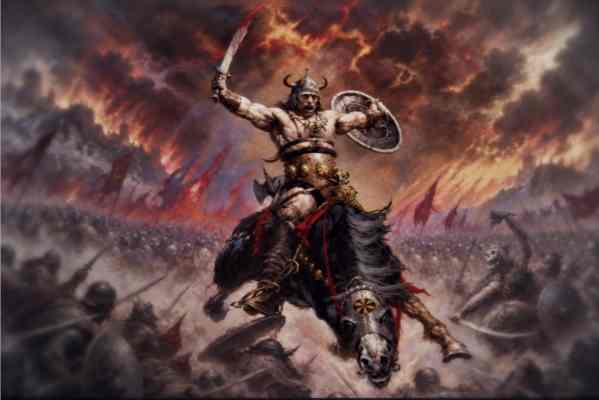
Myth and symbolic stories shape culture. They turn ideas, values, fears, and experiences into narratives that people can remember and share. Those stories pass from one generation to the next. They shape culture and carry its meaning forward.