Rigid black-and-white thinking or binary thinking feels clean and certain. But when everything is either good or evil, right or wrong, you lose the ability to see nuance, context, and complexity. The errors of rigid beliefs distort your worldview.

Seeker Project 4 Spiritual Exploration (SP4SE)
Techniques for exploring consciousness
Examining claims, assumptions, and belief systems using reasoning and evidence.
Rigid black-and-white thinking or binary thinking feels clean and certain. But when everything is either good or evil, right or wrong, you lose the ability to see nuance, context, and complexity. The errors of rigid beliefs distort your worldview.

The black cat analogy is a memorable way to understand the search for truth. Imagine trying to find a cat of any color in a dark room. A black one just makes it harder. You can’t see clearly, and you’re not even sure the cat is there. That uncertainty is the point. It reflects how … Continue reading The Black Cat Analogy and the Search for Truth

Before making a decision to open the third eye, there are some important things to consider. You need to know the risks, the benefits, and the levels of preparation needed to do this safely.

Selecting the right spiritual teacher is critical. It can accelerate growth, sharpen thinking, and open doors you didn’t know existed. It can also waste years if you get it wrong. Avoiding scams is a necessity.

Tales of rebirth, renewal, and reincarnation are important to many spiritual beliefs. They are belief maps and archetypes of cycles of collapse and renewal. These elements are also an inherent part of our culture. To understand the culture, we must understand these elements.
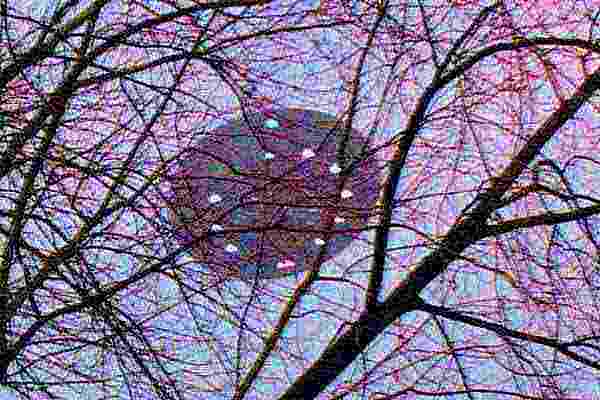
Many people experience metaphysical and unusual events. They see lights in the sky, figures in the corner of a room, sudden feelings of presence. These moments feel real, but interpreting non-ordinary experience is not simple. What you think you experience depends heavily on what you already believe.

What if the meaning and symbolism we attach to the sacred spiral aren’t as straightforward as they look? Sometimes a new take appears in the smallest details—quiet, subtle, and easy to miss. It changes how the symbolism of the sacred spiral feels long before you can explain why.

The tactics of counterfeit spirituality and manipulation often go unnoticed. They hide behind socially accepted religions masquerading as wisdom, comfort, and certainty. These systems shape your thoughts, beliefs, and values. This article reveals the tricks that make these deceptive systems seem trustworthy.

Exploring contrasting views and definitions of healthy spirituality helps us understand the world today. It also gives us a glimpse into our own paradigm so that we can align our thinking with healthy precepts and avoid unhealthy extremism.

Truth does not win just because it is true. What people believe often wins, even when it is false. That is why we need a clear way to tell the difference between an honest mistake and a planned lie. That’s where the process of deciphering error and deception reveals truth and reality.