The psychological foundation of belief structures is a set of basic human needs. We want to feel safe and to belong. We want life to make sense and the world to be fair. These needs come before any story, church, or culture.

Seeker Project 4 Spiritual Exploration (SP4SE)
Techniques for exploring consciousness
Examining claims, assumptions, and belief systems using reasoning and evidence.
The psychological foundation of belief structures is a set of basic human needs. We want to feel safe and to belong. We want life to make sense and the world to be fair. These needs come before any story, church, or culture.
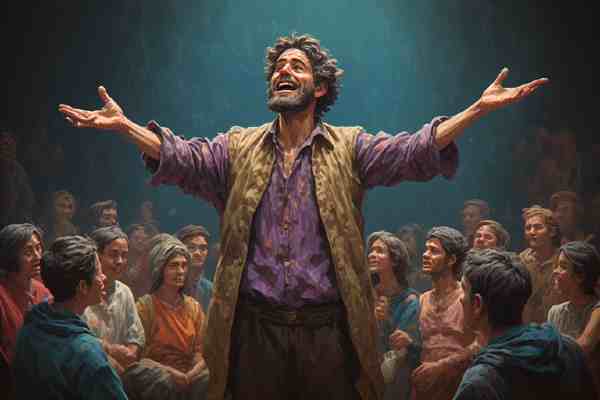
The narrative mechanism is the way the mind turns scattered facts into stories. Those stories give events a beginning, a middle, and an end. They explain why things happen and what we should value. Once a story takes hold, it organizes belief. It decides which ideas we accept and which ones we reject.

Institutions spread beliefs from one generation to the next. They also defend doctrine, the official version of what a group believes. Churches, schools, governments, and even families give beliefs a home. They decide what a belief means, teach it to newcomers, and reward those who go along.

Belief systems shape society in ways most people never notice. Shared beliefs turn into habits, habits turn into rules, and rules turn into laws. Over time, those beliefs shape the lives of everyone in a community, even people who never held them.

The self-correction mechanism is the way a belief system notices its own mistakes and fixes them. It prevents extremism from taking control of the system. Systems that have it can grow and change. Systems that lose it tend to harden, and over time they can drift toward extremism.
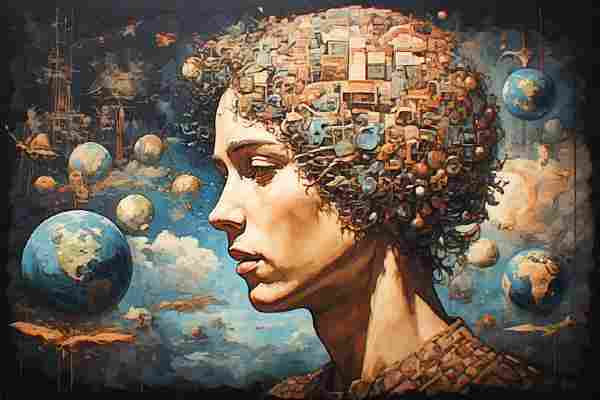
Memetic transmission is the way ideas copy themselves from one mind to another. Some ideas spread across the world, while others fade away. The surprising part is that the ideas that spread the farthest are not always the ones that are true.

Faith cannot overcome fear, because it only trades one fear for another. Facts can overcome fear by shrinking the unknown and giving you solid ground to stand on. Once you see how fear works and how it is used against you, its hold on your thinking begins to loosen.

An unconventional approach can save a believer from slipping into extremist thinking. This applies to both religious and political extremism. Confronting them with facts rarely helps. A different approach is needed. It invites questions and reflection before belief hardens into dogma.

Influential spiritual teachers offer many paths to a deeper life. Some teach quiet meditation. Others teach self-inquiry, service, or a sense of wonder. Each one can provide a path and tools for useful practice, but none of them can replace your own judgment.

Are we alone in the universe? Only two answers are possible, and both are equally terrifying. Either one would change everything. It would make us rethink how we see ourselves and our place in the cosmos. We must be ready for the answer because humanity has been searching for it for some time.