Misrepresentations and misconceptions in spiritual exploration are more than inconveniences. It leads to the acceptance of inaccurate opinions and beliefs. Let’s see why this happens and how to correct it.
Seeker Project 4 Spiritual Exploration (SP4SE)
Techniques for exploring consciousness
Misrepresentations and misconceptions in spiritual exploration are more than inconveniences. It leads to the acceptance of inaccurate opinions and beliefs. Let’s see why this happens and how to correct it.

One of the most intriguing methods of consciousness exploration is the TM Yoga Siddhis sutras. It’s a modern adaptation of the Siddhis sutras of Patanjali. This article explores the origins of the Yoga Siddhis sutras, how they are practiced, and how they fit within the traditional system of Yoga.

The stages of spiritual maturity are the gradual reshaping of the inner world. It is not a belief system, not a moral badge, not a mystical identity. It is the refinement of how a person experiences life and responds to it.

Ever wonder why happiness and joy are elusive? Many people spend their whole lives chasing them. They get small moments, but the feeling never seems to last. Let’s find out why this happens and what you can do about it.
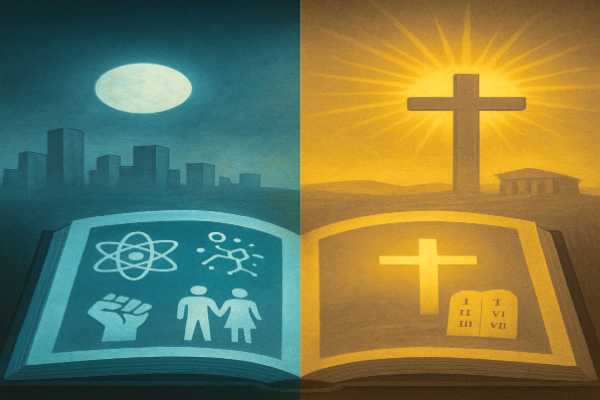
Many people care about living a life with the highest moral values and beliefs. The challenge is that people do not agree on the source of this moral guidance. Secular Humanism and Western Religion are the two major perspectives in modern culture. Choosing the right one is important for everyone.

Ever wondered what internal patterns influence your decisions? The repetitive question technique is a tool for exploring cognitive awareness. It reveals the unconscious programming that triggers emotional responses.

Many people feel distracted, stressed, and disconnected. Modern life pulls our attention in many directions at once. The path to presence through mindfulness and grounding is about realigning our mindset. This is the state we are intended to live in, and you can learn to do it.
Spiritual rites of passage mark significant life changes. Spiritual transitions and life changes are the benchmarks of our personal development. If you aren’t experiencing these shifts, it’s a signal that you aren’t growing. See how to get back on the path of personal evolution.
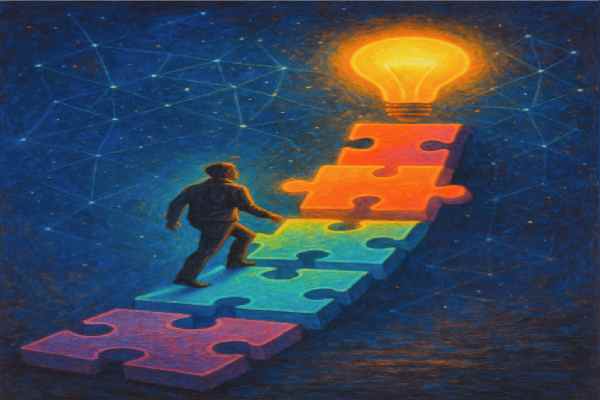
Most people struggle because they misidentify problems, rely on assumptions, react emotionally, or rush toward solutions before fully understanding the situation. Developing problem-solving skills through critical thinking solves these issues.
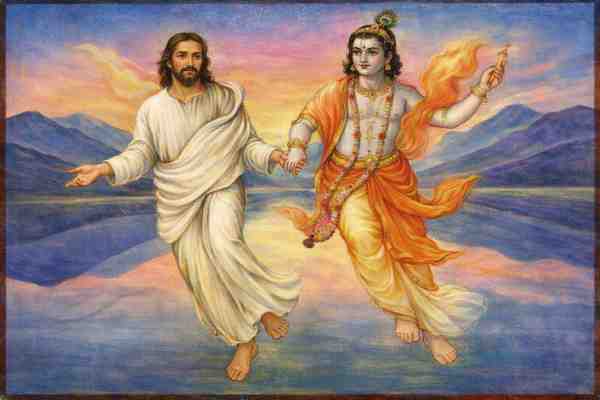
Most people learn their beliefs about God and spirituality when they are young. Family, culture, and religion often decide what you are taught. You may have never stopped to ask, “Do I really believe this?” or “Where did these ideas come from?”