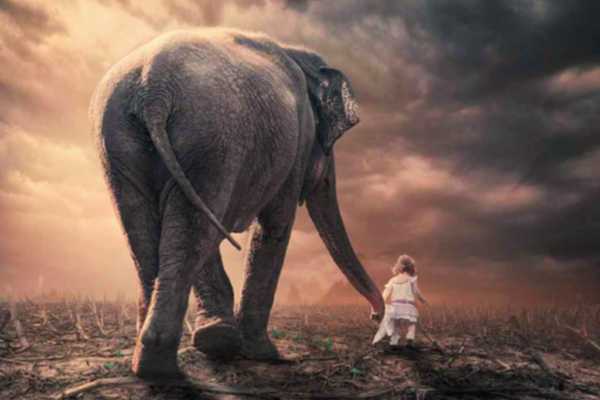
Shamanic spirit allies and nature guides are among the most familiar elements of shamanic practice. Many traditions describe animals, plants, landscapes, and other forces of nature as symbolic helpers that guide spiritual growth.
Many people have heard of spirit animals, power animals, animal guides, or spirit guides. These ideas can sound simple at first, but they carry a deeper meaning.
A spirit ally is not just an animal image that appears in the mind. It is a symbolic relationship. The animal, guide, or helper points toward something important. It may reflect strength, fear, wisdom, protection, or a lesson that is ready to be seen.
To learn more about the shamanic Journey see:
➡ The Core Principles of Shamanism: The Vision Quest Journey
➡ A Step-By-Step Shamanic Journey Guide — Entering The Spirit Realm
What are spirit allies and nature guides?
Shamanic spirit allies are symbolic helpers that appear during the shamanic journey experience. They may appear as animals, ancestors, teachers, elders, or other guiding figures. In many traditions, they are seen as helpers from the unseen world.
For modern spiritual explorers, they can also be understood as living symbols of the inner world. They give shape to feelings, instincts, strengths, and lessons that may be hard to see directly.
A wolf may point toward loyalty, instinct, or the need to trust the group. An owl may point toward quiet awareness. A bear may point toward rest, strength, or deep reflection.
The important point is not only what the ally is. The important point is the relationship between the ally and the seeker.
A spirit ally may appear when a person is facing change. It may appear when a person needs courage. It may appear when a person needs to slow down, listen, or trust the deeper parts of the mind.
These allies do not need to be treated as fixed answers. They are better understood as symbolic companions. They help the seeker notice what is already moving beneath the surface.
Not all spirit allies appear as animals. Some traditions describe nature guides connected to rivers, mountains, forests, storms, trees, or other natural forces. Like spirit animals, these figures often serve as symbolic teachers that help seekers understand themselves and their relationship with the living world.
Spirit animals vs totem animals vs power animals
People often use the terms spirit animal, totem animal, and power animal as if they mean the same thing. They are related, but they are not exactly the same.
A spirit animal is a personal guide on the shamanic journey. It may appear in a dream, vision, meditation, or shamanic journey. It often reflects a quality the seeker needs to understand.
A totem animal is usually connected to a group. It may belong to a family, tribe, clan, or lineage. It is not only personal. It represents a shared bond and a shared identity.
A power animal is often seen as a protective ally. It gives strength, courage, and support. It may appear when the seeker needs protection or energy during spiritual work.
Spirit guides are a wider group. They may appear as animals, elders, ancestors, teachers, or symbolic beings. They often help the seeker understand the meaning of the journey.
- Spirit animals are personal symbolic guides.
- Totem animals are shared symbols connected to family, tribe, or lineage.
- Power animals are protective allies that bring strength and support.
- Spirit guides are teachers or helpers that may appear in many forms.
These terms should not be forced into one meaning. Different cultures use them in different ways. The safest approach is to respect the tradition, then look at how the symbol works inside the experience.
The roles of spirit allies and nature guides
Shamanic spirit allies and nature guides often appear for a reason. They may guide, protect, teach, or help with transformation. Sometimes they do more than one of these at the same time.
Their message is not always spoken. In many cases, the ally teaches through presence, movement, behavior, or feeling.
A spirit animal that walks beside the seeker may bring comfort. One that blocks a path may signal caution. One that runs ahead may point toward movement, courage, or urgency. A sudden change in the weather or strong winds may also be experienced as a nature guide drawing attention to a different direction or possibility.
The ally is not separate from the meaning of the moment. It appears inside a larger inner scene. That scene matters.
Guidance
One of the main roles of a spirit ally is guidance.
The ally or guide may lead the traveler through a forest, across water, into a cave, or toward a distant light. It may appear at a crossroads or stand near a doorway. These images often show that the seeker is facing a choice.
Guidance does not always mean giving a direct answer. A guide may simply help the seeker notice what matters.
A deer may appear when gentleness is needed. A hawk may appear when the seeker needs a wider view. A fox may appear when a situation calls for flexibility and careful attention.
The guide points. The seeker still has to reflect.
This is what makes spirit allies and nature guides useful. They do not replace self-awareness. They deepen it.
Protection
Spirit allies and nature guides may also appear as protectors.
In many shamanic traditions, power animals are protective helpers. They bring strength during uncertain or intense inner work. Their presence may help the seeker feel grounded, calm, and less alone.
A bear may stand between the seeker and danger. A wolf may stay close as a companion. A large bird may lift the seeker away from fear or confusion.
Protection can also be emotional. The ally may create a feeling of safety. This allows the seeker to stay present instead of pulling away from the experience.
The protector does not erase fear. It helps the seeker face fear without being controlled by it.
Teaching
Allies and guides often teach through behavior.
An animal may not speak at all. It may hunt, wait, fly, hide, dig, swim, or watch. These actions can become the lesson.
A turtle may teach patience. A snake may teach change. A raven may teach the need to look beneath the surface. A horse may teach freedom, movement, or trust.
The lesson depends on the whole experience.
A snake is not always transformation. For one person, it may represent healing. For another, it may represent fear. For someone else, it may represent hidden power.
This is why spirit allies and nature guides should not be turned into a simple symbol dictionary. Their meaning comes from the encounter, not just the animal name.
Transformation
Spirit allies often appear during times of change. Nature guides may appear during periods of change and draw attention to something that deserves reflection.
A person may be leaving an old identity behind. They may be healing from pain. They may be facing a new responsibility. They may be learning how to trust their own instincts.
During these times, a spirit ally may reflect the quality needed for the next step.
A bear may point toward inner strength. A butterfly may point toward change. A wolf may point toward loyalty and belonging. An eagle may point toward vision and distance.
The animal does not create the transformation by itself. It helps the seeker see the transformation already underway.
This is one of the most useful ways to understand them. They reveal movement inside the person. They make the invisible process easier to see.
How allies and guides communicate
Spirit allies and nature guides often communicate through the symbolic language of the subconscious.
Sometimes they speak. More often, they communicate through action, mood, direction, or presence. The way the ally behaves may matter more than the type of animal that appears.
A wolf that walks beside you is different from a wolf that watches from far away. An owl that looks directly at you is different from an owl that flies away. A bear that blocks the path is different from a bear that sleeps beside a fire.
The details matter.
Spirit allies may communicate through:
- Repeated appearances
- Eye contact
- Movement
- Blocking or opening a path
- Leading the seeker somewhere
- Changing shape
- Offering an object
- Creating a strong feeling
A message may not become clear right away. Sometimes the meaning appears later, after the seeker thinks about the encounter. Messages may arrive through an animal encounter, a natural landscape, or the presence of a nature guide connected to a particular place.
For example, a mountain path may repeatedly draw your attention during an experience, creating a feeling that it holds special meaning. Sometimes the communication is more subtle. You may feel that a mountain, river, or forest is inviting you to explore further or pay closer attention.
This is normal. Auditory and symbolic experiences can interchange. It may need time before the deeper meaning becomes clear.
Interpreting encounters with allies and guides
The best way to interpret a spirit ally is with care.
It is easy to rush toward a fixed meaning. A person sees a wolf and quickly says, “This means loyalty.” That may be true, but it may also be too simple.
A better question is: What was the wolf doing?
Was it leading, watching, protecting, warning, or leaving? Was it calm or tense? Was the seeker afraid, comforted, curious, or confused?
The meaning lives in the whole encounter.
It also helps to ask what is happening in life. A spirit ally often reflects a real inner pattern. The symbol may connect to a decision, fear, relationship, loss, or new direction.
Useful questions include:
- What animal or guide appeared?
- What was it doing?
- How did I feel near it?
- Did it lead, block, protect, or teach?
- What is happening in my life right now?
- What quality might this ally be asking me to notice?
This keeps interpretation grounded. It also prevents the seeker from forcing a meaning that does not fit.
A spirit ally should not be used to avoid personal responsibility. It should help the seeker see more clearly.
Personal symbolism vs universal symbolism
Some animal symbols appear across many cultures.
Eagles often suggest vision. Bears often suggest strength. Snakes often suggest change. Wolves often suggest loyalty, instinct, or the group. Owls often suggest insight or hidden knowledge.
These patterns can be useful, but they are not absolute.
Personal symbolism matters just as much.
A turtle may teach patience. A snake may teach change. A raven may teach the need to look beneath the surface. A horse may teach freedom, movement, or trust. A river may teach adaptability by showing how progress sometimes comes through flowing around obstacles instead of pushing through them.
This is why interpretation must include self-observation.
The same principle applies to nature guides.
During the shamanic journey, a river may symbolize freedom for one person and uncertainty for another. A mountain may represent strength for one person and isolation for someone else. Personal experience shapes meaning just as much as cultural tradition.
Universal symbolism gives a starting point. Personal symbolism gives the real meaning.
The best interpretation uses both. It respects the wider pattern, but it also listens to the individual experience.
Spirit allies and nature guides are powerful because they meet the seeker in a personal way. They do not only repeat old meanings. They show what the symbol means now, in this life, in this moment, for this person.
Putting it together
Spirit allies and nature guides are not random images.
A spirit ally may appear as an animal, guide, ancestor, or teacher. A nature guide may appear through a river, mountain, forest, storm, or other symbol drawn from the natural world.
They are symbolic allies. They help the seeker understand guidance, protection, teaching, and transformation.
A spirit animal may show a quality that needs attention. A power animal may bring strength. A totem animal may connect a person to family, tribe, or lineage. A spirit guide may help the seeker understand the deeper meaning of the experience.
The value of a spirit ally is not found in a simple label. It is found in the relationship.
What appears?
What does it do?
How does it feel?
What does it reveal?
These questions keep the practice grounded.
Shamanic spirit allies and nature guides help people listen to the symbolic language of their inner world. They remind us that wisdom does not always arrive as words. Sometimes it arrives as a wolf at the edge of the forest, an owl in silence, or a bear waiting beside the path.
References
- The Shamanic State of Consciousness: Cognitive and Neuropsychological Perspectives. Anthropology of Consciousness.
- Dreaming, Symbolism, and the Cognitive Function of Imagery. Frontiers in Psychology.
- Shamanism. Encyclopædia Britannica.
- The Psychology of Dreams. American Psychological Association.
- The Role of Symbolism and Imagery in Human Cognition. Frontiers in Human Neuroscience.
- Totemism. Encyclopædia Britannica.
About this project
The Seeker Project 4 Spiritual Exploration (SP4SE) is a project of Americans In Alliance. The focus of SP4SE is spiritual education. The mission of Americans In Alliance is environmental conservancy. Click the links below to learn more and support our efforts.