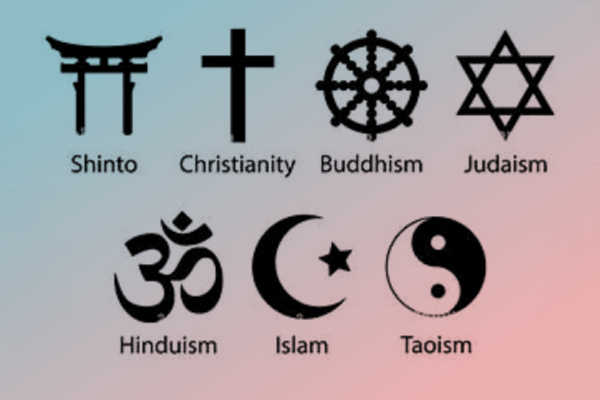
Spiritual symbols in tribal emblems carry more than cultural meaning. These are the hidden triggers that shape emotion, identity, and behavior. Understanding how these tools work reveals the mechanisms behind influence, belief, and symbolic control.
Symbols operate on two levels at once: the visible layer of tradition and the invisible layer of psychological impact. When these layers interact, they can guide, inspire, or manipulate depending on how the symbol is used and interpreted.
This article explores how symbols bypass rational thought, how tribal emblems encode emotional triggers, and how decoding their structure helps you reclaim your response instead of reacting from inherited fear or unconscious conditioning.
Inner Work Gate:
This article explores how symbols trigger inherited conditioning, identity imprints, and trauma-linked reactions. It may increase discomfort before clarity as emotional roots are examined. Emotional stability should be established before engaging deeply.
The psychological links behind symbols
The hidden triggers of spiritual symbols in tribal emblems are not passive images. They are psychological devices engineered—sometimes intentionally, sometimes through centuries of cultural layering—to activate specific emotional and instinctive responses. A symbol works because it bypasses the analytical mind and speaks directly to the older structures of the brain where memory, fear, and identity live.
Words create images, and images create emotional states. When a symbol is charged with meaning, it becomes a shortcut into the nervous system. The mind does not pause to evaluate the symbol; it reacts to it. It’s why an emblem can evoke reverence, dread, loyalty, or hostility long before a person consciously understands why.
The mechanisms behind the hidden triggers
The mechanism is simple but powerful. When a symbol activates a stored association—especially one tied to fear, shame, belonging, or moral judgment—it triggers the sympathetic nervous system. This is the “fight, flight, or freeze” response, a survival mode designed for immediate action, not reflection. In this state, the brain floods the body with chemicals that heighten reflexes and suppress higher reasoning.
This is an important point about symbols: they do not refer to historical events; they refer through historical events to spiritual or psychological principles. — Joseph Campbell
This is why spiritual symbols in tribal emblems endure. They are efficient. They compress entire worldviews into a single image. They carry the emotional residue of stories, rituals, punishments, and promises. They link to childhood memories, inherited beliefs, and cultural narratives that operate beneath awareness.
When a symbol is repeated often enough—on clothing, in architecture, in rituals, in media—it becomes part of the psychological landscape. It no longer needs explanation. It simply works. And because it works beneath conscious awareness, it can be used to guide, shape, or manipulate behavior with remarkable precision.
Understanding this mechanism is the first step in reclaiming autonomy. Once you see how symbols trigger emotional reflexes, you can begin to separate the symbol from the reaction it produces. You can observe the trigger instead of being driven by it.
Spiritual symbols in tribal emblems
A symbol is an emblem often representing ancient tribal identity. So, these symbols do not remain neutral. Once a community adopts an emblem, it becomes a container for shared identity, inherited stories, and emotional expectations. Over time, these images shift from simple markers of belonging to instruments that shape behavior. A symbol becomes a tool of control when it can direct action without requiring explanation.
Every group—religious, political, or cultural—relies on emblems to define who is inside and who is outside. These images create boundaries that feel natural, even inevitable. When a symbol is repeated often enough, it becomes fused with the worldview it represents. The emblem no longer points to the belief; it becomes the belief.
This is why institutions invest so much energy in ritual, repetition, and spectacle. The more frequently a symbol appears—on clothing, in architecture, in ceremonies, in media—the more deeply it embeds itself into the psyche. Repetition installs emotional reflexes. Once installed, the symbol can activate loyalty, fear, or obedience with minimal effort.
Comparison Table: How Symbols Become Tools of Control
| Mechanism | What It Does | Psychological Effect |
|---|---|---|
| Repetition | Installs emotional reflexes | Creates automatic responses without reflection |
| Ritual | Reinforces group identity | Strengthens belonging and conformity |
| Fear-Based Imagery | Justifies extreme behavior | Triggers survival instincts and moral bypassing |
| Propaganda | Amplifies symbolic meaning | Creates emotional certainty even without evidence |
| Worldview Fusion | Merges belief with emblem | Makes the symbol inseparable from identity |
This process is not always malicious. Communities need shared images to create cohesion. But the same mechanisms that build unity can also be used to manipulate. When a symbol becomes a behavioral switch—capable of triggering fear, pride, or aggression on command—it shifts from cultural artifact to psychological lever.
Understanding how this transformation occurs prepares you for the next step: learning to decode the structure of a symbol so you can see where its influence begins and where your autonomy can be reclaimed.
By decoding the structure of a symbol, you can see where its influence begins and where your autonomy can be reclaimed.
How to decode a symbol
Understanding a symbol requires more than historical research. You must explore how it interacts with both cultural meaning and your personal fears, instincts, and worldview. A symbol’s power lies not in what it means universally, but in what it activates inside you.
Determine Structural Distinction and Governing Principles
Every symbol has two layers: the cultural meaning and the hidden triggers. Decoding begins when you can see both at once instead of confusing one for the other. You are not just decoding the symbol. You are decoding the relationship between its cultural meaning and the psychological reaction it produces in you.
To determine distinct structures and the governing principles, we do the following:
1. Study cultural meaning and context
Start with the outer layer. Look at how the symbol appears in myths, religious art, folklore, and historical usage. Ask what it has meant to different groups over time and what stories, warnings, or promises have been attached to it. This gives you the shared cultural story that the symbol is carrying.
2. Bring in your Enneagram type and instinctual stack
Your personality structure determines which parts of that story land with force. A symbol that feels benign to one person may feel threatening or sacred to another. The Enneagram helps you identify the fears, desires, and survival strategies that make certain emblems feel powerful to you specifically.
3. Use repeating questions to uncover fear links
Now move from the outer story to the inner reaction. Ask the same questions several times, each time cutting deeper.
- How does this symbol show up in my life?
- What fear does it activate?
- What story does it tell about me?
- What would happen if I ignored it?
Surface answers fall away with repetition. Eventually, you reach the emotional root—the specific fear, shame, or longing the symbol is pulling on.
Callout — The Decoding Move
Decoding happens when you compare the cultural meaning with the >internal trigger and identify where they do not match. The gap between the two is where the symbol gains its power.
When you can see the cultural story and your internal trigger side by side, the symbol loses its automatic authority. You can examine the image instead of reacting to it. That separation is what it means to truly decode a symbol.
Case study: The cross
The Cross is one of the most powerful symbolic structures in Western culture. Its influence does not come from the shape alone, but from the emotional weight carried by centuries of storytelling, ritual, and moral framing. To decode it, we apply the same two-layer method: cultural meaning on the outside, psychological trigger on the inside.
1. Cultural meaning and context
Across Christian history, the Cross has represented sacrifice, redemption, suffering, obedience, and divine authority. It appears in architecture, jewelry, funerary art, national symbols, and military insignias. Its meaning has been reinforced through liturgy, hymns, sermons, and visual art for nearly two thousand years. This repetition creates a shared cultural story: the Cross is the center of moral identity and the measure of spiritual worth.
2. Personal structure and instinctual response
Your Enneagram type and instinctual stack determine how the Cross lands emotionally.
- For some, it evokes comfort, belonging, or moral clarity.
- For others, it activates fear, guilt, or the pressure to be “good enough.”
- For still others, it triggers memories of authority, punishment, or spiritual scrutiny.
The symbol’s power comes from how it intersects with your core fear: failure, abandonment, unworthiness, loss of control, or moral exposure.
3. Repeating questions to expose the trigger
To decode the Cross, you ask the same questions you used earlier, but now with a specific symbol in view.
- What part of the Cross feels charged to me?
- What emotion rises first—comfort, fear, shame, loyalty, resistance?
- What story about myself does this symbol reinforce?
- Who taught me that story?
- What would it mean if the symbol no longer carried that story?
These questions separate the cultural narrative from the personal reaction.
Callout — The Decoding Moment
The Cross becomes clear when you can see the difference between what the culture says it means and what your body feels when you encounter it. The gap between those two layers is the real symbol.
What decoding reveals
Once the layers are separated, the Cross stops functioning as a command or a judgment. You can see how much of its power came from repetition, childhood imprinting, and inherited expectations. The symbol becomes an image again—one you can interpret, question, or release without betraying yourself.
Decoding does not erase the Cross. The spiritual symbols in tribal emblems retain their original meaning even when masked. Understanding the original intent behind the emblem restores your ability to choose how it lives in your psyche.
Case study: The hamsa

The Hamsa is one of the oldest protective symbols in the Mediterranean world. Its power comes from the way it blends cultural meaning, superstition, and emotional instinct. To decode it, we apply the same two-layer method: the cultural story on the outside, the psychological trigger on the inside.
1. Cultural meaning and context
The Hamsa appears across Judaism, Christianity, and Islam, each tradition giving it a slightly different name and emphasis. Despite these variations, the symbol consistently represents protection, blessing, and the presence of something greater than oneself. Its widespread use in jewelry, home décor, amulets, and ritual objects reinforces the idea that the hand wards off danger and keeps misfortune away.
Comparison table: Cultural variations of the hamsa
| Culture | Name | Primary Meaning |
|---|---|---|
| Judaism | Hand of Miriam | Protection, divine presence |
| Christianity | Hand of Mary | Compassion, blessing |
| Islam | Hand of Fatima | Strength, purity |
2. Personal structure and instinctual response
Your Enneagram type and instinctual stack determine how the Hamsa lands emotionally.
- For some, it evokes safety, comfort, or a sense of being watched over.
- For others, it activates suspicion, superstition, or the fear of unseen forces.
- For still others, it triggers memories of cultural identity, family expectations, or spiritual pressure.
The symbol’s influence depends on how it intersects with your core fear: vulnerability, abandonment, loss of control, or exposure to harm.
3. Repeating questions to expose the trigger
To decode the Hamsa, you use the same questions as before, but now with this symbol in view.
- What part of the Hamsa feels charged to me?
- What emotion rises first—comfort, fear, skepticism, nostalgia?
- What story about protection or danger does this symbol reinforce?
- Who taught me that story?
- What would it mean if the symbol no longer carried that story?
These questions separate the cultural promise of protection from the personal fear or longing the symbol activates.
Callout — The Decoding Moment
The Hamsa becomes clear when you can see the difference between the protection it claims to offer and the vulnerability it activates inside you. The gap between those two layers is the real symbol.
What decoding reveals
Once the layers are separated, the Hamsa stops functioning as a charm or a warning. You can see how much of its power came from repetition, family tradition, and inherited beliefs about danger and safety. The symbol becomes an image again—one you can appreciate, reinterpret, or release without feeling bound to its promise or its threat.
Decoding does not strip the Hamsa of meaning. It restores your ability to choose how the symbol lives in your psyche.
Trauma triggers and symbolic echoes
Some symbols do not gain power from culture or belief. They gain power because they resemble something your nervous system has already learned to fear. These symbols function as echoes—visual or emotional reminders of an experience your body has not fully resolved. The reaction is immediate, often disproportionate, and rarely logical.
Why trauma creates symbolic reactions
Trauma is stored as sensation, posture, tone, and threat—not as narrative. When a symbol resembles the emotional geometry of a past wound, the body reacts before the mind can interpret it. The symbol becomes a shorthand for danger, even if the danger is no longer present.
- A raised hand may echo past intimidation.
- A watchful eye may echo surveillance or judgment.
- A rigid figure may echo control or domination.
- A religious emblem may echo punishment or moral exposure.
The symbol is not the threat. It is the reminder.
How trauma-linked symbols differ from cultural symbols
Cultural symbols rely on shared stories, repetition, and group identity.
Trauma-linked symbols bypass all of that. They do not need a story. They do not need belief. They do not need ritual reinforcement. They activate because the body recognizes a pattern it once associated with survival.
This is why trauma symbols feel “stronger” than cultural ones.
They are tied to memory, not meaning.
The hidden triggers are older than the symbol.
When a trauma-linked symbol activates you, the intensity belongs to the past. The symbol is simply the doorway. The body is responding to the original imbalance—helplessness, shame, exposure, or fear—not to the image in front of you.
Callout — The Distinguishing Insight
A trauma symbol is not powerful because of what it means. It is powerful because of what it resembles.
What recognition restores
Once you see that the symbol is echoing a past experience rather than presenting a current threat, the reaction begins to lose its authority. You can feel the activation without obeying it. You can notice the fear without collapsing into it. The symbol becomes an image again—charged, perhaps, but no longer in control.
Recognizing the echo is the first step toward reclaiming the present.
Conclusion — Reclaiming your inner authority
Symbols shape us most when we do not realize they are shaping us. They slip beneath language, beneath belief, beneath conscious thought. They work through repetition, emotion, and memory. But once you understand how a symbol operates—culturally, psychologically, and somatically—it loses its ability to define your identity or dictate your behavior.
Decoding a symbol does not destroy it. It restores perspective. You can see the cultural story without mistaking it for your own. You can feel the emotional reaction without assuming it is truth. You can recognize the echo of trauma without collapsing into it. The symbol becomes an image again, not a command.
This is the shift the entire process aims toward: the ability to stand in the presence of any symbol—religious, political, ancestral, or traumatic—and remain centered in yourself. When you can separate meaning from trigger, story from imprint, culture from fear, you reclaim the authority that symbols once held over you.
The goal is not to reject symbols, but to relate to them consciously. To choose which ones you carry forward. To release the ones that no longer serve you. And to recognize that the deepest source of guidance is not an emblem outside you, but the awareness within you that can see clearly.
Resource and References
The Bestiaries
You can trace the meaning of almost every symbol to the ancient texts known as Bestiaries. Their availability varies. These texts contain the root associations for animals, plants, and rocks. Similarly, these texts include fictional creatures or anthropomorphic beings. You can find links to many superstitions of Western theology. Sometimes, they show how the meaning changed. After all, no one knows the exact origin of oral traditions.
In the Middle Ages, the Bestiaries became popular as curiosities. Because of their popularity, private collectors saved many of these works from mass book-burning events. Christians burned any books they deemed evil or demonic. Heck, they are trying to do it again now.
The Catholic Encyclopedia
The Catholic Encyclopedia is the most comprehensive resource on Catholic history and Christianity. It’s a reference text for internal Church use, so it reveals some interesting facts not meant for public disclosure. The 1907 version is enlightening. Volumes 13 and 14 of the 15-volume set discuss where the Church got its symbols, doctrines, and dogma.
Core References
- How Science Changed My View on Trigger Warnings. Psychology Today.
- The Catholic Encyclopedia. Robert Appleton Company, 1907–1912.
- Bulfinch’s Mythology. Thomas Bulfinch.
- An Illustrated Encyclopedia of Traditional Symbols. J. C. Cooper, 1987.
- Bestiary. Encyclopedia Britannica.
- Symbolism. Stanford Encyclopedia of Philosophy.