Routine psychological maintenance helps you notice changes in your thoughts, emotions, and reactions before ordinary strain becomes harder to manage. It gives you a chance to pause and make small corrections.

Seeker Project 4 Spiritual Exploration (SP4SE)
Techniques for exploring consciousness
How the mind shapes what we believe and do. Explore perception, habits, conditioning, and the hidden processes that steer behavior.
Routine psychological maintenance helps you notice changes in your thoughts, emotions, and reactions before ordinary strain becomes harder to manage. It gives you a chance to pause and make small corrections.
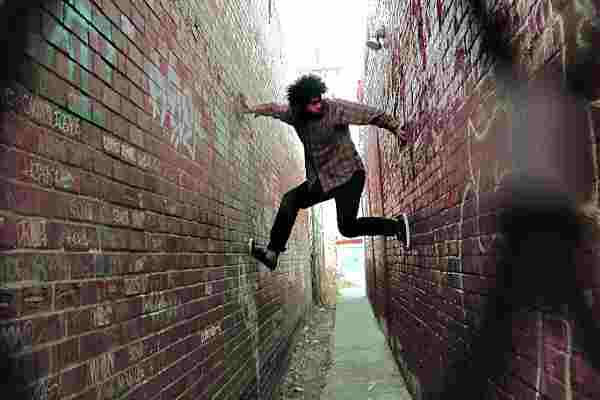
Many people feel like something is holding them back, and they are often right. Self-limiting thinking acts like walls. They limit what we see and think is possible. The first important step in correcting this is identifying self-limiting thinking.
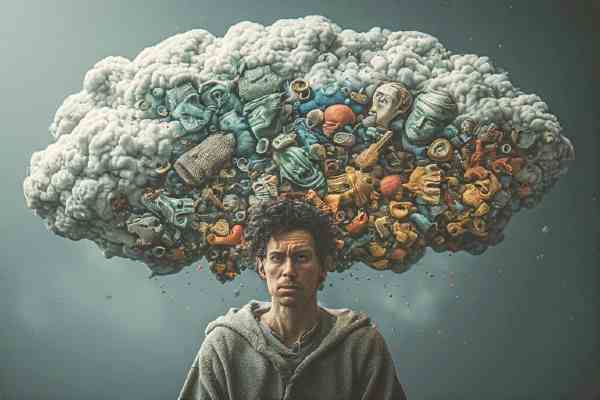
People often think reasoning errors come from a lack of understanding or ignorance. In reality, most come from bias and false certainty. Emotional pressure and hidden assumptions further distort belief and thinking. These reasoning errors can feel natural and logical, which makes them hard to notice.

Modern culture is full of messages designed to shape how you think and what you do. Some are useful. The core process for repairing harmful thinking, beliefs, and values helps you find those patterns, test them, and replace them.
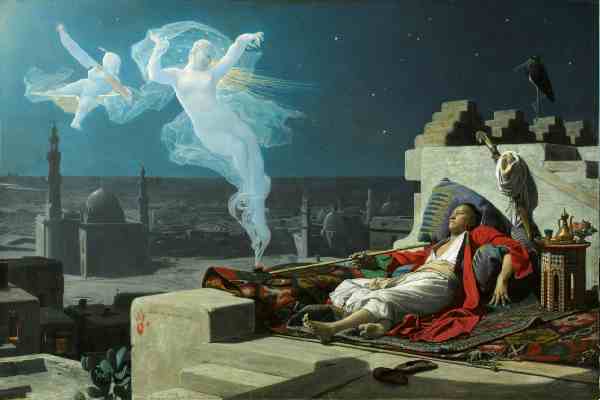
Spiritual counseling is the merging of ancient spiritual tradition with modern psychology. This combination helps people address inner healing, meaning, self-awareness, and personal growth.

Most people move through life without thinking much about the people they meet. Yet many everyday encounters carry hidden meaning. These moments reveal the mirror effect. These are opportunities to understand human connection and self‑awareness.

Learning how faith shapes reasoning helps us separate faith from knowledge. Faith can offer hope, meaning, and comfort. Knowledge depends on facts that can be checked. Both can shape real choices.

Are your beliefs helping you grow, or are they keeping you trapped in guilt, shame, and fear-based beliefs? Religious cognitive distortions happen when normal thinking errors become attached to spiritual beliefs. Overcoming fear-based beliefs takes inner work and patience. See how it’s done.
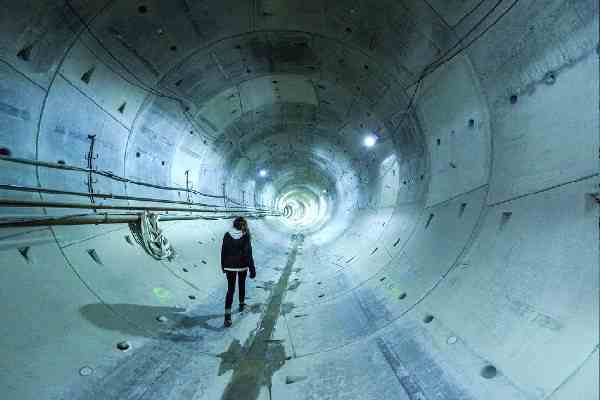
An oppressive culture is like a dark tunnel. When we look into the tunnel, all we see is darkness. To see the light, we must turn around and look at the light. This analogy describes the challenge of perceptual tunnel vision and mass hallucination.

Learning how perception is shaped is important. It helps us understand why mistaking interpretation for reality is common. It also gives us the knowledge needed to deal with this tendency and perceive reality more clearly.