The spiritual symbolism of trees is a major focus for many cultures. Trees as sacred archetypes of nature become living icons that are metaphors for the deeper patterns of existence.

Seeker Project 4 Spiritual Exploration (SP4SE)
Techniques for exploring consciousness
Examining claims, assumptions, and belief systems using reasoning and evidence.
The spiritual symbolism of trees is a major focus for many cultures. Trees as sacred archetypes of nature become living icons that are metaphors for the deeper patterns of existence.

The framework for guiding principles without religion is a practical system on which to base moral and ethical thinking and behavior. It is easier than you’ve been led to believe. Here’s how.
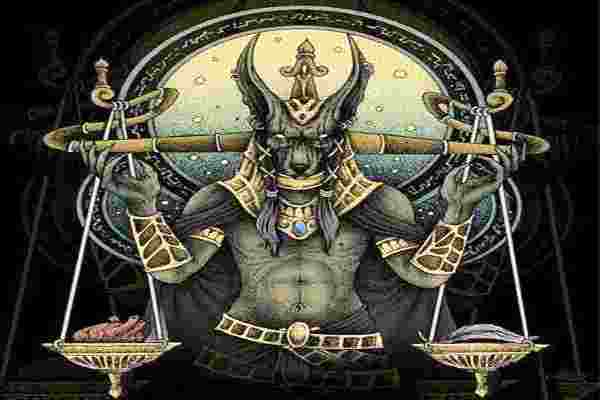
The factors shaping core moral values and beliefs determine right and wrong. When these foundations change, traditions, laws, and cultural norms change too. This affects social cohesion and how people behave together.

An unconventional approach is a strategy to save a believer from slipping further into extremist thinking. This applies to both religious and political extremism. Confronting them with facts rarely helps. A different approach is needed to encourage questioning and reflection before belief hardens into dogma.

This article explains the psychological foundations behind the first layer of belief structures. Forming beliefs is a normal part of how people think. The human brain is always trying to understand the world. People want to know what is true, what is right, and how they should act. Beliefs help answer those questions.
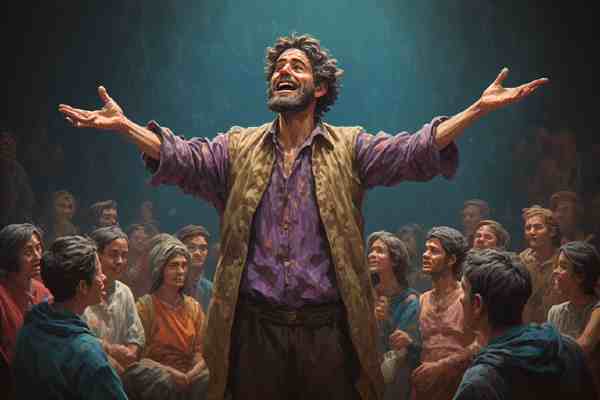
This article explains the second layer behind beliefs — the narrative structure as a mechanism. Narratives are far more than storytelling devices. They are one of the mind’s primary mechanisms for organizing experience, assigning meaning, and stabilizing belief.

Institutions create, spread, and defend beliefs across generations. Understanding the role of institutions helps explain how ideas become organized, protected, and passed from one generation to the next.

Cultural conditioning shapes the societal outcomes of belief systems. This programming is reflected in social behavior, public expectations, and shared values. These ideological structures influence how communities define morality, cooperation, authority, and social responsibility.

The self-correction mechanism is a “belief safeguard” to avoid extremism. It ensures ideological structures adjust their ideas when errors or distortions appear. Without this safeguard, belief systems can turn extreme and resist change.
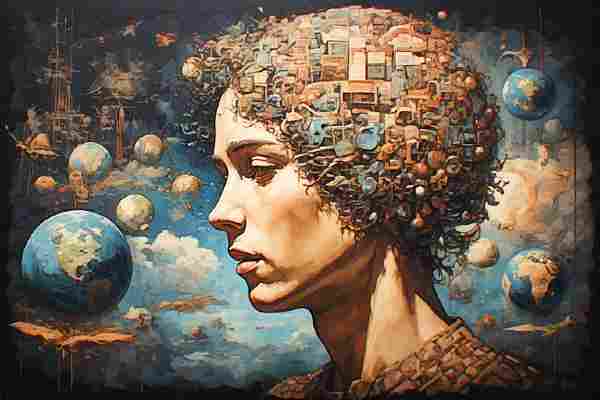
Memetic transmission explains how ideas replicate, shaping minds and cultures over time. Belief systems and social systems spread and reinforce their ideas. The narratives they project can then influence beliefs, values, and behavior.