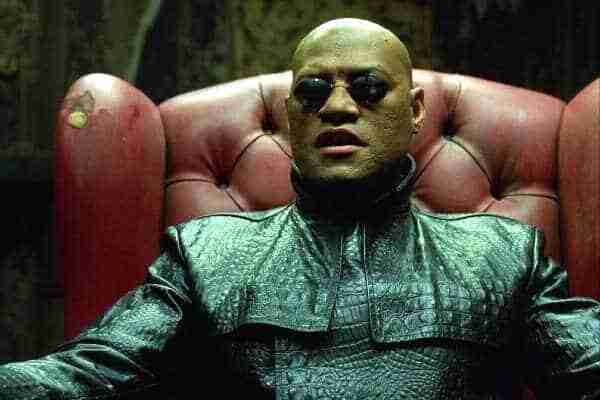
The Matrix movies are about how people are asleep to reality. The films show how ideas, beliefs, and systems shape perceptions. By understanding the symbolic system, we can see the tactics used to guide our thoughts.
Seeker Project 4 Spiritual Exploration (SP4SE)
Techniques for exploring consciousness
Examining claims, assumptions, and belief systems using reasoning and evidence.
The Matrix movies are about how people are asleep to reality. The films show how ideas, beliefs, and systems shape perceptions. By understanding the symbolic system, we can see the tactics used to guide our thoughts.

The continuum of awareness describes the bandwidth of consciousness from enchantment to enlightenment. It shows how our minds can move from emotional trance to clear thinking. Seeing this spectrum helps us understand how belief, identity, and consciousness shape the way we see the world.

Are we alone in the universe, or does intelligent extraterrestrial life exist among distant alien civilizations? The Drake equation attempts to calculate the probability, but Arthur C. Clarke framed the dilemma more starkly: only two possibilities exist.
Arguments are selling tools. But some people use fallacies to mislead so that we buy their propositions. Exposing faulty arguments and revealing common logical fallacies protects you from manipulation.
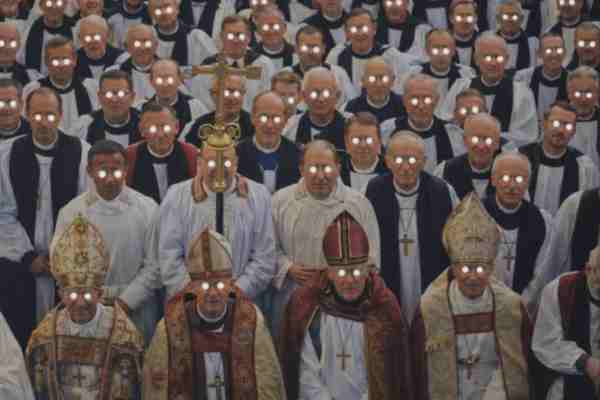
Many religions reject scientific and rational thinking. It’s not an accident. Unbelief is necessary to make belief possible. Unbelief becomes the engine that elevates belief above facts and evidence. Once you understand how and why this works, you can make a more informed decision about what you believe.

Seasonal festivals existed long before Christianity shaped the Western calendar. Ancient societies watched the sun’s movement out of necessity. The pagan origins of Christian holidays and festivals show their connections.

The ancient fairy tales and folklore myths were the first graphic novels of humanity. These stories use vivid images, symbolic characters, and packed meanings. Long before people had written documents that were available to the masses, communities shared these tales. They passed down memories in ways that were easy to remember and hard to forget.
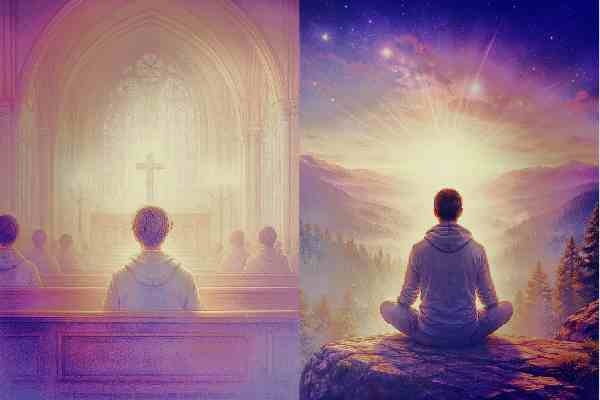
The mindset of the follower and the mindset of the seeker are two distinct ways of approaching truth, authority, and uncertainty. Each mindset affects how information is understood. It also changes how we react to change and what we choose to believe.
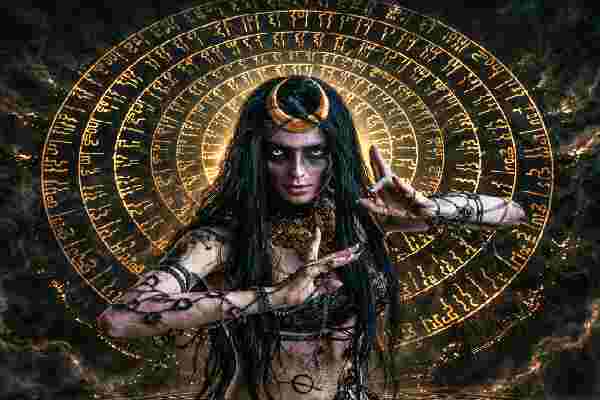
Many people are drawn to the supernatural, paranormal, and unknown. It triggers both the fear and interest. Decoding the fear of the unknown and the paranormal is about the mind’s reaction to a perceived danger.
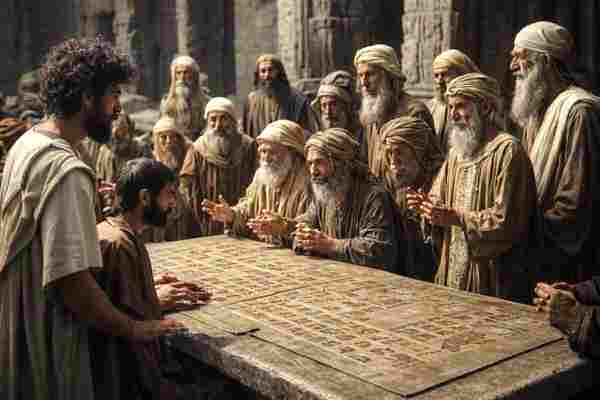
The history of religious consolidation and rebranding of ancient magic concerns institutional power. It shows how authority is centralized and preserved through structural control. This story becomes visible when we examine the mechanics behind the process.