The Social Cost and Systemic Harm of Organized Religion

The Social Cost and Systemic Harm of Organized Religion

The social cost and systemic harm of organized religion appear in laws, education systems, family structures, and public policy across the world. This article examines those costs at the system level, focusing on repeated outcomes and measurable harm rather than personal belief, private faith, or individual morality.


Religious Extremism Across the Abrahamic Traditions

Religious Extremism Across the Abrahamic Traditions

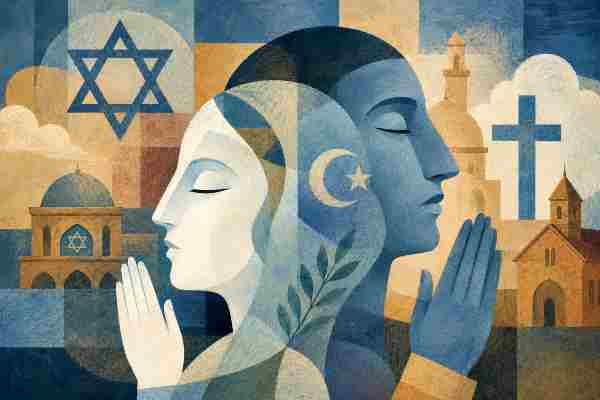
Religious extremism appears in many cultures and belief systems. The Abrahamic traditions of Christianity, Islam, and Judaism are built on extremist philosophies. They inspire movements that use religious authority to divide people, control public life, or excuse harm. Comparing them reveals patterns that reach beyond any one religion.

Are Freedom and Autonomy Possible When Extremists Rule?

Are Freedom and Autonomy Possible When Extremists Rule?

When extremists rule, they change more than the culture and the laws. It leads many to ask, are freedom and autonomy possible under this type of government? It is a question worth exploring because it affects everyone today.

Regulation and Suppression Guidance Or Control

Regulation and Suppression: Guidance Or Control?

Regulation and suppression can look alike because both may limit emotions, actions, or choices. The difference is whether the limit offers guidance or control. Both forces may come from within us or from people, rules, and groups around us.

Censorship and Media Regulation Protection or Control

Censorship and Media Regulation: Protection or Control?

Censorship and media regulation shape what people can see, hear, publish, and discuss. Some limits protect people from clear harm. Others silence ideas or hide useful facts. The key question is whether a media rule provides protection or control.

Questioning the Cultural Narrative The Invisible Operating System

Questioning the Cultural Narrative: The Invisible Operating System

Have you asked yourself why you believe certain things? Most people don’t. But when you begin questioning the cultural narrative, something interesting happens. You reveal the invisible operating system. You see how many of your strongest opinions were formed before we examined them.

Moving From A Tribal Mindset to A Universal Mindset

Moving From A Tribal Mindset to A Universal Mindset

Moving from a tribal mindset to a universal mindset is becoming harder as society becomes more divided. Many people now see the world through group identity. It creates a culture driven by polarization, fear, emotional reactivity, and social conformity. Learning to recognize and handle this conflict is a necessary skill in our modern world.