Ritual, magic, prayer, and salvation scripts operate through ritual and formula causation. A structural analysis shows how formula causation works. It shows how belief, language, and symbolic action result in an expected result.
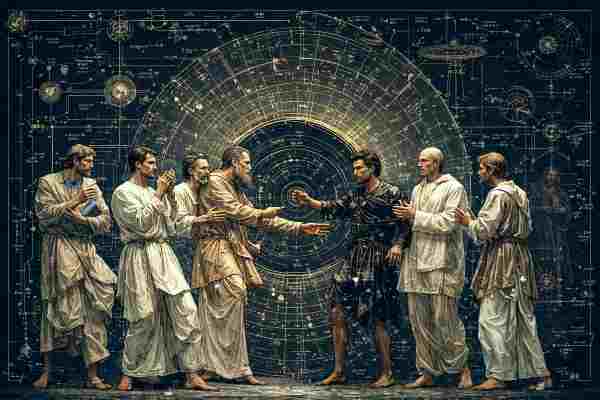
Seeker Project 4 Spiritual Exploration (SP4SE)
Techniques for exploring consciousness
Examining claims, assumptions, and belief systems using reasoning and evidence.
Ritual, magic, prayer, and salvation scripts operate through ritual and formula causation. A structural analysis shows how formula causation works. It shows how belief, language, and symbolic action result in an expected result.
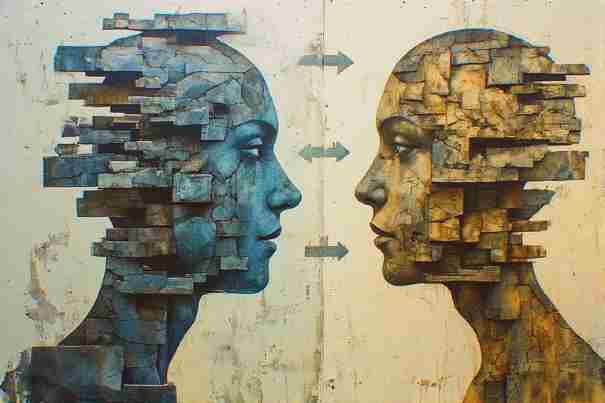
Framing spiritual axioms as guiding principles makes it easier to use them. They provide tools for discernment and intellectual integrity. Truth does not bend to opinion. It does not strengthen because it is repeated. It does not weaken because it is unpopular. It does not transform because it is renamed. Truth remains independent of comfort, … Continue reading Spiritual Axioms As Tools for Discernment and Intellectual Integrity
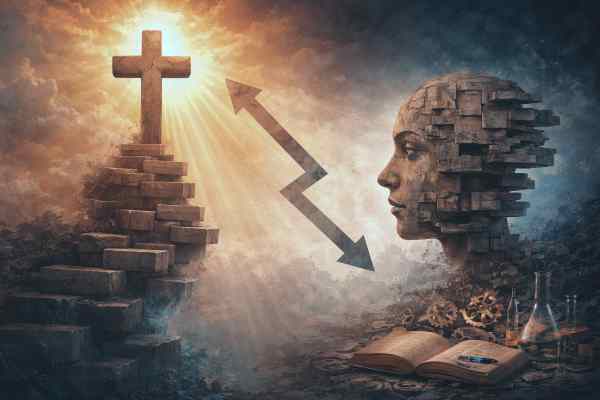
The way you think shapes your whole life. Faith-based beliefs and critical thinking do not work the same way. One leans on belief and authority, the other uses facts and logic. As one grows stronger, the other grows weaker. This article explains the inverse relationship between these two worldviews.
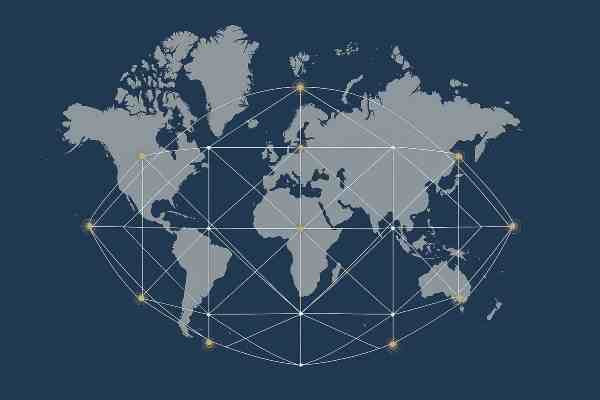
The 12 Vile Vortices and the Vortex Energy Points Map describe a global pattern of strange locations where navigation breaks down, stories repeat, and physical anomalies cluster. This article explains how Sanderson mapped these sites and how later systems expanded his idea into a full energy‑point grid.
Modern culture treats the domains of religion and spirituality as interchangeable. But religion and spirituality function in fundamentally different ways. When the same words operate inside very different systems, confusion becomes inevitable.
Myths are not just ancient stories. Myths are not just ancient stories. Myth and symbolic stories remain a living force, shaping culture. The power of myth lies in its ability to shape beliefs, values, and fears. Whether we notice them or not, myths influence how we think and act.

Are there proofs for the existence of the human spirit and the soul? This question has many layers. It explores the search for meaning and what we are. Looking for this spiritual essence from different views may not give sure proof, but it does offer insight into our own psyche.

Authentic faith sounds simple, but the meaning shifts depending on how you look at it. Different viewpoints highlight different parts of what it means to believe something sincerely, which is why people often talk past each other when they use the same words.

We’ve all made snap decisions and later realized they were wrong. That habit—the tendency to misjudge—can cost time, money, and trust. Learning how judgment fails, and how to slow it down, helps us make better decisions in everyday situations that actually matter.
Questioning religious doctrine or practices can feel risky, confusing, or emotionally charged. A rational framework for investigating religious claims helps keep inquiry grounded and fair. It protects curiosity while preventing belief, fear, or tradition from deciding conclusions in advance.