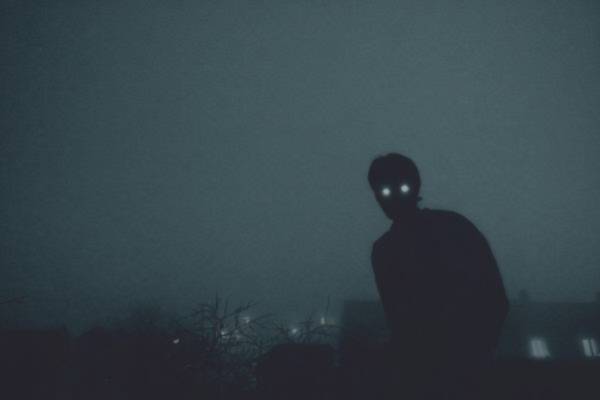
Seeing shadow people in your peripheral vision is more common than most people think. These shadow figures have been reported for eons. If this has happened to you, you are not alone. Exploring the possibilities answers some questions but raises others.
More and more are seeing shadow people. So, it’s important to explore what they are and why they appear. Knowing why these sightings happen can change fear to curiosity. It can also turn confusion into understanding.
What matters is not just what is seen, but how the mind interprets and organizes the experience.
Understanding spectral silhouettes
Seeing shadow people in peripheral vision
When you notice a dark shape at the corner of your eye, many questions can come up. Is it a mistake in your vision? A hallucination? A spirit? A warning? Something from somewhere else? Or something completely different?
Some people believe they are ghosts, spirits, or ancestors. Others think they are signs of spiritual danger or alien contact. Some believe they are beings moving through different layers of reality. Thinking about these shapes can make you question what is real and what you can truly see.
Imagine the experience of seeing shadow people. You get a quick glimpse of a dark human shape at the edge of your sight, and then it disappears when you turn your head. Although the event is over, the effects are not.
The effects are often long-lasting:
- The experience seems important, but you don’t know why
- The image becomes a strong memory and may return in dreams
- The image accompanies feelings of disorientation, fear, and anxiety
- The mind replays the scenario of the event, searching for a pattern of reference
- You may feel watched or aware of something you cannot see
- You may question your senses or your beliefs
These reactions are not random. They reflect how attention, memory, and emotional response systems organize unfamiliar input.
This happens more often than most people realize. Exploring the possibilities is the only way to make sense of these experiences:
- Examine the traits these sightings share
- Identify the conditions that make them more likely
- Review the perspectives that shape how people understand them
We can learn why these shadow people appear. We should look at history, the human mind, the environment, and spiritual beliefs. By exploring the possibilities, we can identify the most probable reasons.
This process relies on observing patterns, testing ideas, and separating what is seen from what is assumed.
Types of shadow people and entities reported
| Type | Description |
|---|---|
| Basic shadow figure | The most common type. A dark human shape that may stand still or move fast. Often appears in side vision and disappears when looked at directly. |
| Hat man | A tall figure wearing a wide-brim hat. Often seen in doorways or corners. Many people report feeling watched when this figure appears. |
| The watcher | A still, observing figure that does not move or attack. It feels like it is studying the person. Often creates a sense of unease. |
| The crawler | A figure that moves low to the ground. It may crawl, slide, or move quickly. Often triggers strong fear reactions. |
| The mass | A dark, formless shape that may shift or move. Often feels heavy or thick. People may feel pressure or tension when it appears. |
| Tall shadow | A figure taller than a normal person. It may stand still or move slowly. Often seen in hallways or doorways. |
These types appear in many reports. They show that the experience follows patterns, even when people do not know each other.
Why shadow people feel real
Seeing shadow people feels real because the brain treats them as real. The brain does not wait for clear information. It reacts fast to protect you. This is why the experience feels strong and important. Even if the shape is unclear, the reaction is real.
Fight-or-flight response. When you see something unclear, your body prepares for danger. Your heart beats faster. Your muscles tighten. Your breathing changes. This happens before you understand what you saw.
Emotional memory. The brain remembers emotional moments more than normal moments. This is why the memory of the image stays strong.
Meaning-making. The brain tries to understand the experience. It looks for patterns. It looks for meaning. It tries to explain what happened.
Survival instinct. The brain is built to notice danger. A shadow that looks like a person is treated as a danger until proven safe.
Ambiguity triggers fear. When something is unclear, the brain fills in the missing details. It often chooses the shape of a person because that is the most important shape for survival.
These reactions show why shadow people feel real. They also show why the experience is hard to forget.
Common characteristics of sightings
Most encounters with shadow people are brief, but the details people report are very similar across cultures and time. These patterns help explain why the experience feels strong and sometimes unsettling.
Short in duration.
Most sightings appear as quick, dark flashes. They last only a few seconds and disappear when you look directly at them. Keeping your gaze forward may let the shape stay in your peripheral vision a little longer.
Appear shortly after awakening.
Many encounters happen right after sleep or rest, when your mind is shifting between states. Some beliefs say this moment allows more awareness than usual.
High correlation with twilight windows—sunrise or sunset
Sightings often happen during low light, like early morning or evening. These times make it easier to notice small movements. Some observational practices that train peripheral awareness report higher rates of these sightings. This suggests attention training may play a role in making them visible.
Momentary impressions of movement.
Side vision is made to detect motion, not detail. This makes quick shadows seem more active, like something is moving fast.
Emotionally unsettling.
Many people feel sudden fear or tension. The body reacts before the mind can understand what is happening.
Memory distortion.
Because the moment is brief and unclear, memory can be fuzzy. People may doubt what they saw or have trouble remembering it.
Appearance of shadow entities.
Reports often describe shapes darker than normal shadows. Some look like a person, sometimes with a wide hat and eyes that seem bright. These shapes can feel thicker or stronger than normal shadows.
Together, these traits show how the mind reacts to unclear information. It pays more attention to movement, emotion, and meaning than to clear detail. This is why the experience feels powerful and hard to explain.
Factors that affect seeing shadow people
Many conditions affect when and how shadow figures appear. These do not remove the experience. They help explain why some moments make them easier to notice. These factors often work together, not alone.
Mental conditioning. If you expect to see something, you are more likely to see it. Stress and strong emotions can make the brain fill in missing details fast. This happens often when something moves at the edge of your vision. Your mind tries to guess what it is before you can see it clearly.
Environmental factors. Low light, flickering light, reflections, and moving shadows can create unclear shapes. These conditions make it easier for the mind to interpret something as a figure. Even a coat on a chair can look like a person for a moment.
Health issues. Eye floaters, migraines, and retinal problems can create flashes or dark shapes in your side vision. These can look like figures even when nothing is there.
Psychological factors. Stress, anxiety, trauma, and emotional overload can heighten awareness. The brain may interpret unclear shapes as threats. This is a survival response. It happens when the mind is on high alert.
Neurological factors. When the brain is tired, stressed, or overloaded, it may mix signals. This can create brief images that look like figures. These images feel real because the brain treats them as real.
When mental, physical, and environmental factors combine, shadow figures are more likely to appear. These factors work together. They create moments where perception becomes more interpretive than precise. This means your mind fills in details that are not there.
Shadow people and technology
Modern technology has created new ways of seeing shadow people. These sightings happen through devices rather than direct vision.
Camera anomalies. Some people see dark shapes in photos or videos that were not visible at the time. These shapes may appear in corners or behind objects.
Motion sensors. Home sensors sometimes activate when no one is there. People report seeing a shadow figure right after the alert.
Video calls. A few people report seeing a shadow move behind someone during a video call. The person on the call does not see it.
Security footage. Some security cameras capture fast-moving dark shapes. These shapes may appear for only a frame or two.
Smart home devices. Devices that detect movement or sound sometimes activate without a clear cause. People connect these events to shadow sightings.
These technological reports show how shadow encounters appear in modern settings.
Demographics of shadow entity sightings
Our workshop assessments include questions about unusual experiences. The data show patterns among people who report shadow encounters. These patterns appear again and again, no matter where the person lives or what they believe.
| Pattern | What it means |
|---|---|
| High psychic awareness | Many describe themselves as intuitive, sensitive, or spiritually aware. Some follow spiritual practices, while others follow no tradition. |
| Recent trauma | Many are under strong emotional stress from life events, health problems, or world events. These conditions can increase awareness. |
| Loss or near-death experience | People who have lost loved ones or survived near-death events often report more encounters. |
| Delayed memory recall | Many only realize later that they have seen these shapes before. The mind may ignore things that do not fit what it expects. |
If you experience one of these events, it helps to record it as soon as possible. Details fade quickly, and patterns are easier to see when they are tracked over time.
When you relate to one or more of these groups, you have a higher chance of noticing these experiences. These patterns suggest that perception is influenced as much by internal state as by external conditions.
People often dismiss early experiences because they do not fit their existing beliefs. Only when the pattern repeats does it become harder to ignore.
Demographic percentages and added patterns
- About half of the people with these encounters consider themselves gifted or empathic
- Twenty to thirty percent practice witchcraft or shamanism
- About half belong to Abrahamic faiths
- Twenty to thirty percent follow no religion or spiritual practice
- People with recent grief or near-death experiences report more sightings
- Many people remember earlier sightings only after a new one happens
Exploring the possibilities of scientific explanations
Science provides a few reasons why shadow people are seen in peripheral vision instead of directly in front. These ideas help explain how the mind and body respond to unclear information.
Sleep paralysis. This happens when the body is between sleep and waking. You may be awake but unable to move. The brain can create strong images, including dark shapes. These shapes feel real because the brain treats them as real. Many people report seeing figures standing near the bed or in the doorway during sleep paralysis.
Hypnagogic and hypnopompic states. These are the states between waking and sleeping. The brain mixes dream images with real ones. This can create shadow shapes that look like people. These shapes can move, shift, or stand still. They can feel like they are watching you.
Hallucinations. Brain or mental processes can create brief visual changes. Side vision is less detailed and easier to confuse. This makes shadows seem more real. Even healthy people can have brief hallucinations when tired, stressed, or overwhelmed.
Limits of peripheral vision. Side vision is built to detect motion, not detail. A coat, a plant, or a moving shadow can look like a person for a moment until you turn your head. When you turn your head, the shape disappears because your central vision is more detailed.
Neurological misfires. When the brain is tired or stressed, it may mix signals. This can create brief images that look like figures. These images feel real because the brain reacts to them as if they are real.
Emotional priming. When you feel fear, stress, or tension, your brain becomes more alert. It looks for danger. This can make unclear shapes look like figures. This is a survival response.
Pattern recognition. The brain tries to make sense of unclear shapes. It looks for patterns. It often chooses the shape of a person because that is the most important shape for survival. This is why many unclear shapes look like human figures.
These explanations describe how the brain can turn unclear input into strong images. In each case, the mind is not passively receiving reality—it is actively constructing it. These explanations show how the experience can occur, but they do not fully resolve whether the source is internal, external, or a combination of both.
These traits and conditions help explain why the experience of seeing shadow people often appears in side vision and why the experience feels so real. Low light, strong emotions, changing awareness, and how vision works all play a role.
Whether the figure is something outside of you or something created by the mind depends on the person and the moment. The fact that people across cultures report similar experiences suggests a shared human pattern.
Historical perspective on spectral silhouettes
Looking at history helps explain why these sightings feel important. Cultures around the world have described shadow people encounters for thousands of years.
Ancient and early beliefs
In ancient Egypt, shadow people were called khailbut; they were seen as part of the soul. They could return to visit the living with messages or warnings. Egyptians believed the soul had many parts. The shadow was one of them. It could move between the worlds of the living and the dead.
Classical and medieval views
Greeks and Romans saw shadow figures as wandering souls. In medieval Europe, they were believed to be restless spirits with unfinished business.
Middle Eastern folklore
Djinn could appear as shadows. They were believed to influence people, sometimes helping and sometimes causing trouble. Djinn were seen as beings made of smokeless fire. They could change shape. They could appear as shadows when they wanted to stay hidden.
Indigenous and cultural traditions
Native American stories describe shadow walkers as guides or protectors. In African traditions, they are often seen as ancestors watching over families. People honored them with offerings. These shadows were seen as protectors. They could appear during times of danger or change.
Eastern and spiritual systems
Across Asia, shadow shapes are linked to spirits tied to strong emotions. Japanese stories describe yurei, spirits that appear as shadowy figures. Chinese traditions describe hungry ghosts that wander in shadow form.
Shamanic Traditions
Shamanic traditions describe guardian spirits that appear as dark shapes. Their job is to protect the traveler and keep them from going where they should not. These spirits may appear during vision quests or deep meditation.
Modern interpretations
Today, some believe shadow figures are aliens or beings from other dimensions, while others believe they are ghosts or energy forms.
Carlos Castaneda wrote about sorcerers who move through time and space. They may appear as shadows to people who are not trained to see them. Some believe these beings reveal themselves on purpose to test awareness. These ideas suggest that shadow people may be travelers from other layers of reality.
Alien visitation theory
Some people believe shadow figures are extraterrestrial observers. Feelings of paralysis and dread match some reports of alien encounters. These figures may appear in the corner of the eye because they move in ways the mind cannot fully process.
Across cultures, the forms change, but the experience remains consistent. Beliefs and expectations shape how the experience is interpreted and labeled.
Some interpretations extend beyond cultural belief systems into more speculative territory, including interdimensional or non-human explanations. While these claims remain unverified, they reflect how far people go to explain consistent experiences.
Final thoughts
The experience itself is real. What remains uncertain is the source—whether it emerges from perception, interpretation, or something not yet understood.
These encounters show more than fear. They show how people try to understand things beyond normal sight. These experiences happen across cultures, suggesting a shared human experience.
Whether these shapes come from another dimension, represent spirits, or come from the mind, the effect is the same. They get your attention and make you question what is real. What you notice, and how you interpret it, becomes part of how the experience takes shape.
If you see one of these shapes, take time to notice your surroundings, your emotions, and your thoughts. These can shape how you understand the experience.
If you have seen these shapes, your experience is part of a long human story. Sharing it can help others better understand these strange moments.
References
- Hallucinations, Oliver Sacks.
- The Man Who Mistook His Wife for a Hat, Oliver Sacks.
- Perception and Visual Awareness, National Institutes of Health.
- Peripheral Vision and Motion Detection, National Library of Medicine.
- Sleep Paralysis, National Institute of Neurological Disorders and Stroke.
- Visual Hallucinations and the Brain, National Institutes of Health.
- Stress Response and Fear Processing, National Institute of Mental Health.
- Attention, Memory, and Emotional Processing, National Institutes of Health.
- Phenomenology of Perception, Maurice Merleau-Ponty.
- Apophenia and Pattern Recognition, National Library of Medicine.
- Shadow Person, Wikipedia.
- Peripheral Vision, Wikipedia.