The factors shaping core moral values and beliefs determine right and wrong. When these foundations change, traditions, laws, and cultural norms change too. This affects social cohesion and how people behave together.
Culture, institutions, and media shape how people learn right and wrong. Recognizing how core moral values and beliefs are influenced and distorted is key. It reveals the root of today’s ethical confusion. This article looks at the issue and shows how people find clarity in a world of conflicting beliefs.
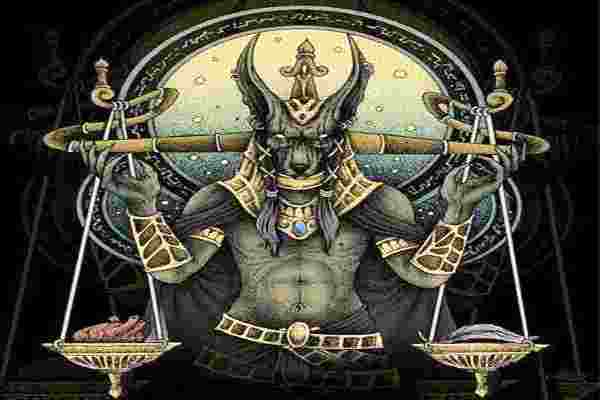
The theme of this article is Anubis, the Egyptian jackal-headed god, pictured above. It is he who oversees the weighing of your life in the afterlife. He weighs your heart against the feather of Ma’at, the symbol of the goddess of truth and justice.
Factors Shaping Core Moral Values and Beliefs
Core moral values and beliefs do not form on their own. They grow out of culture, institutions, and the information people see and hear each day. In today’s world, these influences are stronger and more visible than ever.
Material success, political loyalty, and group identity often become cultural priorities. These priorities can overshadow positive personal values like empathy or honesty. When pressures take over, people forget the values that build strong communities.
Moral values shape more than personal behavior. They influence how societies define what is right or wrong. Cultures that value fairness, responsibility, and respect help people trust one another. This builds cooperation and stronger communities.
When prejudice, propaganda, or extreme beliefs distort values, societies start to fracture. Conflict increases, and groups may start to see one another as enemies rather than neighbors.
Core moral values and beliefs are the guiding principles that shape how individuals and societies judge right and wrong. They influence behavior, laws, institutions, and the quality of social trust.
Three major influences in value development
Values content
The first is the values themselves. Principles such as honesty, fairness, empathy, and accountability form the base of a healthy society. These values help people solve problems together and protect the dignity of others.
Cultural context
The second influence is culture. Traditions, beliefs, schools, and politics shape how people learn right from wrong. Some institutions reinforce compassion and responsibility. Others may spread ideas that divide people or justify unfair treatment. Because these beliefs pass from one generation to the next, their influence lasts for decades.
Transmission channels
The third influence is the modern flow of information. Many people now form beliefs through news media, social networks, and online platforms. These systems share information fast, but they can be used to share lies and conspiracy theories.
Reliable research and responsible journalism help people understand complex issues. Misinformation and propaganda confuse and weaken moral judgment.
Culture and information shape our beliefs. Recognizing this helps people think clearly about ethics. In a world of many voices, it’s crucial to tell reliable information from misleading claims. This skill helps us keep good moral judgment.
Foundation of society: its core moral values and beliefs
The social function of moral values and beliefs
Shared moral values help people feel they belong. When people share the same ideas about right and wrong, they feel connected to others in their group. This creates unity and strengthens the community.
Shared cultural ideals make cooperation easier. When people agree on basic rules for behavior, they can work together with fewer conflicts. Trust grows, and the social fabric becomes stronger.
However, unity can also form around harmful beliefs. Group loyalty can reinforce values and beliefs that divide or harm others.
Morals and individual character
The factors shaping core moral values and beliefs for a person’s character are both internal and external. Our internal structure comes from personality and instinct. These traits influence how we rank our values. Family and culture program the external aspects.
Values act as a moral compass. They help people judge right from wrong and guide daily decisions. When values are distorted, they can lead to prejudice and unfair judgments. People may then use these beliefs to justify harmful actions.
Morals and legal systems
Laws reflect the values of a society. Ideas about justice, fairness, and rights influence how laws are written and enforced.
Ethical standards that back equality and human rights help legal systems protect people. This, in turn, promotes social welfare.
But when regressive values shape the law, discrimination and exclusion may become accepted. Laws may begin to support unfair treatment instead of preventing it.
Legal systems may also become corrupted by special interests. When powerful groups control the law, rules may become tools of power rather than justice.
When values are healthy—laws protect rights, fairness, and equality. Institutions become tools for justice, and public trust grows.
When values are distorted—laws become instruments of exclusion or power. Rules may reinforce bias, weaken accountability, or serve special interests instead of the common good.
When this happens, trust in institutions declines. Social unity weakens, and conflict increases.
Intergenerational transmission of values
The factors shaping core moral values and beliefs are also passed from one generation to the next. Children learn values by watching the behavior of adults around them.
Role modeling is often stronger than rules or instructions. When adults show empathy, compassion, and fairness, children learn to act in the same way.
Healthy values support emotional and social development.
The moral climate of today helps shape the society of tomorrow. The moral values that children learn now will influence everyone’s future. They will either change or reinforce institutions, social norms, and public conflicts.
Cultural Beliefs as Distorting or Reinforcing Forces
From beliefs to traditions to laws
Cultural beliefs often begin as simple ideas shared by a group of people. When these ideas repeat over time, they turn into traditions. Traditions then shape social rules and expectations. In many cases, these traditions eventually influence laws.
This process creates stability, but it may also hide problems. Harmful or outdated beliefs may continue simply because they have existed for a long time. People may accept these ideas as normal even when they create unfair treatment or social division.
For this reason, cultural traditions should not be accepted without question. The influence of beliefs on moral values, traditions, and laws must be examined carefully. Healthy societies review their traditions and challenge ideas that harm fairness or equality.
Religious sectarianism and indoctrination
Many people are introduced to religious beliefs and moral values frameworks at a very young age. Children often learn these ideas before they can question or evaluate them. Early exposure strongly shapes how they see the world.
Sectarian belief systems divide the world into insiders and outsiders. Members of the group are treated as morally correct, while those outside the group may be viewed with suspicion or hostility. This kind of thinking overrides natural empathy and fairness.
Religious institutions use strong social pressure to reinforce belief. Group loyalty and shared rituals make people trust ideas. Emotional messages make ideas feel true.
At the same time, many institutions present themselves as moral authorities. Critics say some groups use their power to keep influence and money. They also shape what their followers believe.
Radicalization and group identity
Radicalization often begins with a single harmful idea. A person may accept one biased or extreme belief as reasonable. Eventually, these beliefs grow stronger.
When individuals join groups that share the same ideas, those beliefs become reinforced. Group members repeat the same messages and support each other’s views. This environment makes extreme ideas seem normal.
Belonging to a group also creates strong emotional rewards. People feel accepted and valued within the group. These feelings become powerful enough to override personal moral judgment.
Members of extremist groups rarely see themselves as harmful. Instead, they often believe they are protecting the truth, defending their culture, or acting with moral purpose.
Case studies: law, rights, and cultural conflict
The Fairness Doctrine was created to ensure balanced public discussion in broadcasting. It required television and radio stations to present different sides of controversial issues.
Over time, the policy was weakened and eventually repealed. Without this rule, broadcasters could present opinion as fact without providing opposing viewpoints.
Critics say this change led to more biased reporting and conspiracy claims in the news. In some cases, hate-based narratives began to spread through media channels.
The Equal Rights Amendment was written to guarantee equal rights under the law regardless of sex. The amendment aimed to ensure that men and women received the same legal protections.
Opposition to the amendment revealed deep cultural beliefs about gender roles and power. Some groups feared that equal-rights laws would change traditional social structures.
Efforts to ratify the amendment are ongoing. This shows a fight between new ideas that support equality and old moral values and beliefs that resist change.
Media ecosystems and extremist narratives
Media incentives such as ratings and audience engagement can distort discussions about moral issues. These distortions often promote sensational or biased information. Simplified spiritual messaging and highly polarized political content often replace thoughtful debate.
Repeated exposure to biased information slowly pushes individuals toward more extreme beliefs. Some media networks and online platforms make it easy for conspiracy theories and hostile stories to spread. These systems reinforce beliefs within a closed audience.
Hate groups also contribute to this environment. Groups that target people by identity or lifestyle spread messages. These messages create fear and hostility. Institutions such as the Southern Poverty Law Center track many of these groups.
Patriot movements and militias
Conspiracy theories sometimes grow into organized political movements. In some cases, these movements form militias or other groups that prepare for violent action.
These groups often say they are defending their nation, their moral values. They also claim they are protecting family traditional values. They often see racial minorities, LGBTQ communities, and other marginalized groups as threats. This framing is common in their rhetoric.
Nationalist language and symbols are sometimes used to justify these actions. Extremist groups hide behind patriotism. They may spread hate, divide people, or push anti-democratic actions.
Navigating Truth in a Distorted Information Landscape
Critical thinking as a moral responsibility
Clear thinking is an important part of ethics. It is one of the positive factors shaping thinking. People need to think carefully about the information they accept. Good moral judgment depends on the ability to ask questions and look for evidence.
This means examining where moral values and beliefs. People should look at the claims being made, the motives behind them, and any bias that may shape the message.
When people accept false information without checking it, the results are harmful. Bad information leads to poor decisions and spreads misinformation to others. It happens even when people mean well.
The slippery slope of misinformation
False information often spreads when it is not challenged. Small errors grow into larger misunderstandings. Over time, these ideas turn into extreme beliefs and harmful behavior.
Propaganda makes this problem worse. It changes how people judge events and influences how they see right and wrong. Repeated exposure to propaganda weakens critical thinking.
Finding the truth is not always easy. It requires patience, careful thinking, and a willingness to question what we hear.
Criteria for credible sources
Accredited academic institutions, universities, and research centers often produce reliable information. Their work usually follows clear research methods and is reviewed by other scholars. These institutions often provide strong data, clear explanations, and careful analysis.
Articles in peer-reviewed journals are checked by experts before they are published. This review process helps improve accuracy and reduce mistakes.
However, research is still influenced by funding sources or institutional bias. For this reason, important findings should be compared with other studies.
Some news organizations are known for careful reporting and strong fact-checking. These outlets follow professional rules for journalism. Organizations such as NPR are often cited as examples of outlets with a strong record of accuracy.
Government websites and institutions
Government agencies often provide official data and research. Public health departments share information. Research agencies do too. Regulatory bodies publish data. They use large studies and scientific methods. These sources usually follow legal and professional standards for collecting and reporting data.
Experts can help explain complex issues. They often provide useful background information and context. Even so, expert opinions should still be checked against other reliable sources to confirm accuracy.
Recognizing less-than-credible sources
The table below summarizes common information sources and the risks they present.
| Source Type | Strengths | Risks / What to Watch |
|---|---|---|
| Accredited Academic Institutions | Clear research methods; peer oversight | Funding bias: check methodology and replication |
| Peer‑Reviewed Journals | Expert review; high accuracy | Institutional influence: verify conflicts of interest |
| Trusted News Outlets | Fact‑checking; editorial standards | Framing bias; confirm with primary sources |
| Social Media & Forums | Fast information flow | Rumors, conspiracies; verify identity and evidence |
| Sensationalist or Propaganda Sites | Emotional engagement | Distortion, manipulation; check transparency and motive |
Social media and online forums spread information quickly. However, they are also common places for rumors, conspiracy theories, and misleading claims. Information from these sources should always be checked against reliable and independent sources.
Some websites do not clearly identify who created the content. They may hide the author’s identity or provide no proof of expertise.
These sites may use scams such as fake downloads, phishing messages, or misleading web addresses. These tricks aim to collect personal data. Cybersecurity organizations often track and warn users about high-risk websites.
Here are a few examples from Norton. (2) Stay away from these.
— Amazonaws.com.
— fantasticfilms.ru.
— Blogspot.de.
— gardensrestaurantandcatering.com.
— magic4you.nu.
— Mail.ru.
— yt118.com.
Tabloids and sensational blogs often focus on emotional stories rather than accurate reporting. Their goal is often to attract attention and increase clicks. They often use personal stories or testimonials as proof instead of evidence.
Claims from these sources should always be checked with several reliable sources. Some media networks promote strong political or ideological agendas. Their content is designed to support a specific worldview and portray opposing groups as enemies.
These environments often create echo chambers. People hear the same ideas repeated while other viewpoints are ignored. Some propaganda sites consistently promote conspiracy theories or hateful narratives. The most visited right-wing propaganda sites (4) from top-to-bottom are:
— Fox News.
— Washington Examiner.
— Epoch Times.
— Newsmax.
— TheBase.
— Daily Wire.
— Daily Caller.
— Western Journal.
— National Review.
— Washington Times,
— Townhall.
— The Gateway Pundit.
— Breitbart.
Practical navigation strategies for truth-seekers
A good way to verify information is to check more than one reliable source. Important claims should be confirmed by two or three independent sources. When opinions reflect specific moral values and beliefs, independent verification is needed.
It is also helpful to examine who funds research or media outlets. Reliable sources show how they reached their conclusions. They describe the methods used to gather evidence and analyze results. Finally, people should remain cautious when information triggers strong emotions. Messages that confirm existing beliefs or provoke anger may require extra verification.
Conclusion: Reclaiming Moral Clarity
Positive, inclusive, and equitable moral values and beliefs form the base of a healthy society. Values such as honesty, fairness, empathy, and respect help people trust one another and work together.
Cultural beliefs and institutions are constantly shaping core moral values. Political and religious groups, schools, and media all vie for a position to program their ideas. These sources are used to spread ideas that divide people or justify unfair treatment. Because of this, it is important to understand how culture influences the way people think about right and wrong.
The modern flow of information plays another powerful role. News media, social networks, and online platforms shape how people understand events and moral issues. Reliable information can help people make wise decisions. False or misleading information can create confusion and push people toward harmful beliefs.
Awareness is the first step toward clarifying moral values and beliefs. It is imperative to recognize that traditions, media messages, and institutions shape beliefs. Understanding these influences helps individuals make more thoughtful and independent moral choices.
Maintaining strong ethics requires commitment. This means promoting positive and inclusive moral values. We should also take a close look at the information we accept as true. It also means being willing to question claims, check evidence, and remain open to correction.
Practical action matters. We must protect our own minds by monitoring the factors shaping beliefs. We can increase the health of our moral judgment by using reliable sources. We should also practice critical thinking and avoid sharing propaganda or misinformation.
In the end, positive values and reliable information are not luxuries. They are essential conditions for a fair, stable, and humane society.
References
- Political Polarization and Media Habits. Pew Research Center.
- Norton Reveals the 100 Most Dangerous Websites. Dynamic Business.
- Southern Poverty Law Center.
- Most Visited Conservative Websites in the United States. Statista.