
Inner work tools are processes that reveal patterns of thinking. It integrates with shadow practices to delve into the hidden scripts of the subconscious. When approached with clarity, this work becomes a structure of self-inquiry methods. Learn how you can use this system to speed your development.
This article clarifies the terminology used in psychological processes within the ecosystem. The goal is to enrich conceptual understanding and the use of these methods. We will use this framework in other articles.
Before we look at the tools, we want to explain the landscape in which these processes are used.
Inner Work Gate:
This article explores symbolic processes of inner descent, confrontation, and integration. It may increase discomfort before clarity as unresolved material surfaces. Emotional stability should be established before engaging deeply with this process.
The Structure of the Inner World
The inner world is not random. It contains layers that influence one another, forming a network of meaning and memory:
- Instinctive drives
- Emotional memory
- Inherited narratives from culture and family
- Self-image and ego defenses
- Unquestioned moral assumptions
These layers interact constantly. When you confront a belief, you disturb an identity. When you question a reaction, you unsettle an attachment. When you examine a fear, you expose a story that once kept you safe.
Self-inquiry methods provide the structure for this courage. They give you a way to approach the inner world without becoming overwhelmed by it.
This is why the use of psychological work requires patience. The system resists disruption. The ego prefers stability over truth. It prefers coherence over accuracy. It prefers familiar suffering over unfamiliar clarity.
But clarity requires examination. And examination requires courage.
Basic Self-Inquiry methods: Inner Work Tools
This type of psychological work is not a trend, a spiritual aesthetic, or a collection of techniques. It is the disciplined act of examining the unseen forces shaping your thoughts, emotions, and behaviors.
Processes like the Enneagram, journaling, repeating questioning, somatic awareness, and pattern tracking are not the work itself. They are instruments that support the deeper process of self-examination.
Much of what we call “personality” or “instinct” operates automatically. Reactions arise before reflection. Judgments appear before inquiry. Emotional tones color perception before conscious choice intervenes. These automatic responses are not signs of failure; they are signs of conditioning.
Inner work begins when a person interrupts that automation.
Instead of asking, “Why are they like this?” the question becomes:
Why did I react that way? What belief or fear is operating beneath this response?
This shift marks the beginning of responsibility. It moves the locus of control inward. It replaces blame with investigation. It transforms conflict into information.
The use of inner work tools does not mean you are broken. It assumes you are conditioned. And conditioning can be examined, questioned, and eventually re-patterned.
Shadow Work Practices: Confronting the Rejected Self
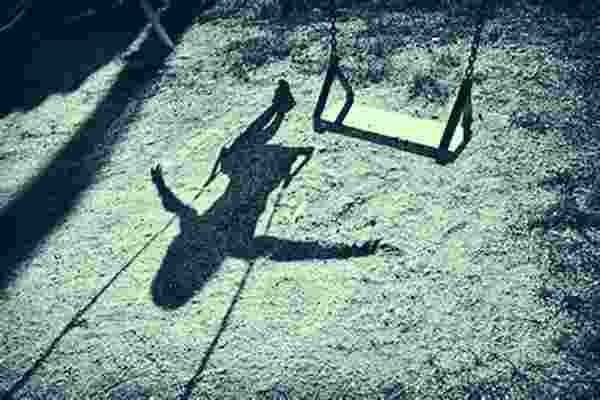
The shadow aspect of awareness deals with hidden scripts, beliefs, and values. These ideas may be contained in language or in symbols in the subconscious. They often shape biases and thinking without our conscious volition. They are powerful enough to override our instincts and moral compass.
Shadow work practices are a specific dimension of inner work. These self-inquiry methods focus on what has been disowned, denied, or suppressed. These practices—such as projection tracking, emotional reversal, and identity deconstruction—help reveal the parts of the self that have been pushed out of awareness.
The shadow is not evil. It is unintegrated.
It includes:
- Traits we condemn in others but deny in ourselves
- Emotions we consider unacceptable
- Desires we were taught to feel shame about
- Vulnerabilities masked by superiority
The shadow forms wherever identity becomes rigid. If you build your identity around being “strong,” your fear goes underground. If you define yourself as “moral,” your capacity for harm becomes invisible. If you cling to being “kind,” your resentment hides beneath the surface.
Shadow work exposes these blind spots.
What is denied does not disappear. It projects.
Projection is the mechanism through which the unexamined self influences perception. We attack in others what we refuse to confront in ourselves. We moralize against traits that threaten our self-image. We interpret the world through the lens of our disowned material.
Shadow work interrupts projection by reclaiming ownership.
Instead of saying, “They are arrogant,” the inner question becomes,
“Where does arrogance exist in me?”
Instead of saying, “They are selfish,” the inquiry becomes,
“Where do I withhold?”
Instead of saying, “They are controlling,” the question becomes,
“Where do I fear losing control?”
This is uncomfortable. It destabilizes identity. But without this confrontation, growth remains superficial.
Integration: The Aim of Inner Work
The goal of self-inquiry is not self-criticism. It is integration.
Integration means bringing unconscious material into conscious awareness and incorporating it without fragmentation. It does not mean indulging every impulse. It means acknowledging its existence and understanding its origin.
Integration produces stability because the personality becomes less divided. Energy previously used to defend self-image becomes available for discernment and compassion.
Perfection is not the aim. Wholeness is.
When anger is integrated, it becomes clarity rather than aggression.
When fear is integrated, it becomes caution rather than paralysis.
When ambition is integrated, it becomes disciplined purpose rather than domination.
Integration transforms raw impulse into usable strength. It turns reactivity into responsiveness. It turns fragmentation into coherence.
Self-inquiry methods guide this process. Inner work tools support it. Shadow work practices deepen it.
The Shadow You Cast
Every person casts a shadow into the social world. This shadow is the outward expression of the inward state. It appears in tone, decision-making, leadership, relationships, and moral influence.
The question is not whether you cast one. It is what shape it takes.
If fear remains unexamined, it becomes control.
If insecurity remains unexamined, it becomes arrogance.
If resentment remains unexamined, it becomes cruelty disguised as principle.
Conversely:
- Integrated suffering becomes empathy.
- Integrated power becomes steadiness.
- Integrated self-knowledge becomes humility.
Your shadow is the residue of your inner condition.
The quality of your inner work determines the quality of your outward influence.
This is why psychological work cannot remain purely internal. Its success is measured relationally.
How do others feel in your presence? Smaller or steadier? Judged or understood? Manipulated or respected?
These responses reveal the shadow you cast more accurately than your stated beliefs.
The Affects of Cultural Conditioning
No one develops in isolation. Cultural narratives shape perception long before conscious evaluation begins. Political ideology, religious doctrine, advertising, and social identity all imprint assumptions.
Inner work requires examining these inherited frameworks. Shadow work practices often reveal how tightly ego attaches to collective narratives.
This does not mean rejecting all tradition. It means distinguishing between adopted belief and examined conviction. Without this distinction, a person may defend an identity that was never consciously chosen.
When a belief feels untouchable, it deserves careful scrutiny.
When a narrative feels sacred, it deserves inquiry.
When a reaction feels righteous, it deserves examination.
The objective is not rebellion for its own sake. It is clarity.
Outward Expression as Completion
A common misconception is that inner work practices areself-absorption. In reality, these processes expand relational capacity. If introspection increases isolation, superiority, or detachment, it has stalled.
True integration produces outward coherence:
- Increased patience under stress
- Greater tolerance for difference
- Reduced need for validation
- Stronger alignment between values and action
When inner work matures, generosity becomes less performative and more natural. Kindness no longer depends on approval. Boundaries become clearer without becoming punitive.
This is where the concept of the shadow you cast becomes practical. Your daily conduct becomes the evidence of your inward discipline.
These methods reveal the patterns. Inner work tools help you examine them. Shadow work practices help you integrate what you find.
The Discipline of Ongoing Examination
The application of self-inquiry methods provides multi-dimensional insight. It reveals identity and reforms it. It unmasks the predispositions of personality and instincts.
Regular examination prevents stagnation.
This does not require constant intensity. It requires periodic honesty. Reflection, correction, recalibration.
Self-awareness is not a destination. It is maintenance.
The mature practitioner of these psychological work processes does not claim enlightenment. They demonstrate steadiness. They show flexibility without collapse and conviction without hostility. Their shadow becomes less dramatic and more grounded.
This is the quiet evidence of integration.
Final Clarification
Inner work is the disciplined examination of unconscious conditioning.
Shadow work is the confrontation and integration of what has been denied.
Self-inquiry methods provide the structure that makes both possible.
The shadow you cast is the visible imprint of that integration — or its absence. If this process feels destabilizing, that is expected. Identity resists examination. But clarity requires it.
If no philosophical framework remains stable after inquiry, return to a simple measure: Be kind. Kindness is often the clearest indicator that someone has faced their shadow and chosen not to pass it forward.
References
- Metacognition: Monitoring and Control of Cognition. Trends in Cognitive Sciences.
- The Cognitive Science of Belief. Frontiers in Psychology.
- Emotion Regulation and Psychological Health. American Psychological Association.
- Expressive Writing and Emotional Processing. Journal of Clinical Psychology.
- Meditation and Attention Regulation. Frontiers in Psychology.
- Self-Reflection and Insight as Predictors of Psychological Well-Being. Personality and Individual Differences.
- Self-Compassion: An Alternative Conceptualization of a Healthy Attitude Toward Oneself. Self and Identity.
- Carl Jung. Stanford Encyclopedia of Philosophy.
- The Archetypes and the Collective Unconscious. Carl G. Jung, 1959.
- An Introduction to the Internal Family Systems Model. Richard C. Schwartz.