Shamanic spirit allies and nature guides are among the most familiar elements of shamanic practice. Many traditions describe animals, plants, landscapes, and other forces of nature as symbolic helpers that guide spiritual growth.

Seeker Project 4 Spiritual Exploration (SP4SE)
Techniques for exploring consciousness
Shamanic spirit allies and nature guides are among the most familiar elements of shamanic practice. Many traditions describe animals, plants, landscapes, and other forces of nature as symbolic helpers that guide spiritual growth.

Breathing can do a lot more than keep you alive. When done with focus and intent, breathing becomes a powerful tool. Breathwork practices and techniques can be used to prepare the body and mind for a variety of activities.

Spiritual growth pathways are about finding spiritual wisdom is not about collecting beliefs. It is about learning how to see more clearly, live with more care, and grow through direct experience.

Most people move through life without thinking much about the people they meet. Yet many everyday encounters carry hidden meaning. These moments reveal the mirror effect. These are opportunities to understand human connection and self‑awareness.

Most people think they make rational decisions. But many decisions are shaped by habit, fear, group pressure, and emotion. Cultivating healthy skepticism and a healthy skeptical mindset helps make better decisions supported by evidence.

Our world can feel heavy. Problems seem too large. Hope can feel thin. But our values become real when we act on them. As you turn positive values into action, you also begin to change yourself, your homes, your communities, and the world around you.
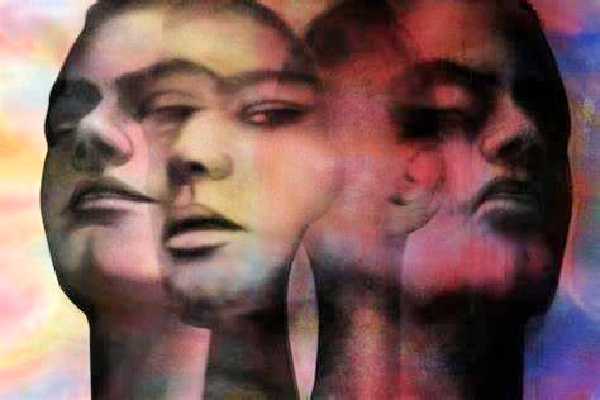
Most people think their choices come from careful reasoning. Yet much of the time, our minds are guided by feelings, habits, and social pressure. Are you really aligning beliefs with objective truth or subjective truth?

Have you asked yourself why you believe certain things? Most people don’t. But when you begin questioning the cultural narrative, something interesting happens. You reveal the invisible operating system. You see how many of your strongest opinions were formed before we examined them.

Learning how faith shapes reasoning helps us separate faith from knowledge. Faith can offer hope, meaning, and comfort. Knowledge depends on facts that can be checked. Both can shape real choices.

Are your beliefs helping you grow, or are they keeping you trapped in guilt, shame, and fear-based beliefs? Religious cognitive distortions happen when normal thinking errors become attached to spiritual beliefs. Overcoming fear-based beliefs takes inner work and patience. See how it’s done.