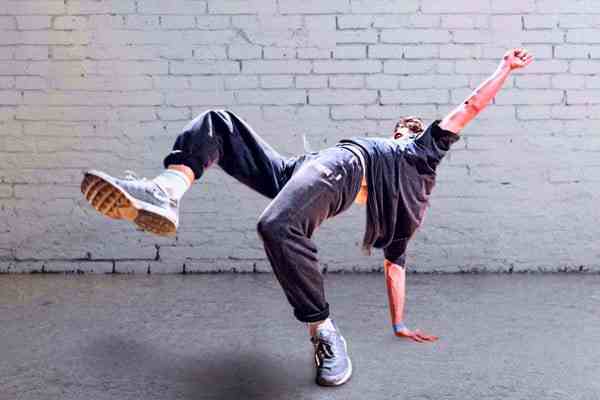
Moving meditation training teaches you to stay focused while the body is active. Walking, Tai Chi, Qigong, yoga, dance, and careful daily tasks can all support training attention with motion when movement and intention work together.
Most of life does not happen while we sit still. We walk, work, exercise, clean, cook, and interact with other people. Moving meditation training helps us carry focused attention into those activities.
Some moving meditation methods come from formal spiritual or cultural traditions. Others turn simple movement and daily tasks into attention training. The methods look different, but they share the same purpose: learning to stay present while the body moves.
Regulation Gate Notice:
This practice is intended to build stability, preparation, grounding, and self-regulation before engaging in deeper transformative work. It is designed to strengthen the foundation that supports awareness training and personal growth
What makes moving meditation different?
Movement alone is not meditation. We can walk, stretch, exercise, or complete a task while the mind remains lost in worries, plans, and memories.
Moving meditation begins when we notice the experience as it happens. This is where training attention with motion begins. We feel the feet touching the ground, the arms changing position, or the body shifting its balance. We may also notice breathing, sound, temperature, light, and the space around us.
You do not need to track every muscle or control every breath. Trying to notice everything at once can make the practice tense. Choose one or two clear anchors and allow the rest of the experience to remain in the background.
Attention selects the anchor, such as the feet, balance, breath, rhythm, or another part of the movement. Awareness recognizes the wider experience occurring around that anchor. Moving meditation trains attention without requiring awareness to become narrow.
Thoughts will still appear. The goal is not to stop thinking. The practice is to notice when attention has wandered and gently return to the movement.
This process is the center of training attention with motion. The movement gives the mind something clear and immediate to follow.
Some moving meditation methods use slow and exact motions. Others use flowing forms, repeated patterns, ceremonies, or free expression. The style may change, but focused attention remains more important than performance.
Moving meditation training is more than exercise
Exercise and moving meditation can look alike. A person practicing yoga, walking, Tai Chi, or martial arts may gain physical benefits while also training attention.
The main difference is purpose. Exercise often focuses on strength, speed, flexibility, endurance, or calories. Moving meditation training uses physical activity as a way to observe the body and mind.
Effort is not wrong. Some forms require balance, strength, and skill. However, difficulty does not make a movement meditative. A simple motion performed with steady attention may offer more training than a hard movement performed on autopilot.
Moving meditation also changes how we respond to mistakes. Losing balance or forgetting part of a form is not failure. We notice what happened, make an adjustment, and continue.
The goal is not perfect movement. The goal is training attention while movement changes.
The foundation for training attention with motion
Moving meditation builds upon basic attention training. It helps to first learn how to notice the body and breath while sitting quietly.
The two-step meditation method teaches this foundation. You begin by directing attention to bodily sensations and then broadening it to include natural breathing.
Moving mindfulness carries this trained attention into standing, walking, and other activity while awareness remains open to the wider experience.
This article focuses on the wider range of moving meditation methods rather than repeating that full training process.
➡ For More See: The Beginning Two-Step Meditation: Foundation of Spiritual Practice
➡ For More See: The Path to Presence Through Mindfulness and Grounding
Breathing is part of most moving practices, but it does not need to be forced into a special pattern. Let the breath remain natural unless the method includes its own breathing instructions.
➡ For More See Breathwork Practices and Techniques
Traditional moving meditation methods
Many cultures developed practices that combine movement with attention, breath, philosophy, or spiritual purpose. Some began as health systems. Others came from martial arts or religious traditions.
These moving meditation methods should not be treated as if they are all the same. Each has its own history and purpose. Together, they show the many ways physical movement can support attention training.
Walking meditation
Walking meditation is one of the simplest moving meditation methods. It requires no special equipment and can be practiced in a room, hallway, yard, park, or other safe area.
Instead of walking only to reach a destination, you pay attention to the act of walking. You notice the feet touching the ground, the legs moving, the arms swinging, and the body adjusting its balance.
Walking slowly may help beginners notice more detail, but an unusually slow pace is not required. A natural pace may fit daily life better. Attention matters more than speed.
Walking meditation is useful for people who become restless while sitting. It also makes training attention with motion part of an activity most people already perform every day.
Tai Chi
Tai Chi developed from Chinese martial traditions. Many people now practice it for balance, health, relaxation, and focused movement.
Its forms use slow, connected motions that flow from one position to another. Weight shifts between the legs while the arms follow curved paths. The body stays upright and controlled without becoming stiff.
Attention must remain connected to posture, balance, direction, and timing. This makes Tai Chi a clear form of moving meditation. When the mind becomes distracted, the movement often loses its structure.
Beginners can learn short forms, while advanced systems use longer patterns and deeper martial ideas. Instruction can help prevent poor posture and strain.
Qigong
Qigong is a Chinese system that combines posture, movement, breathing, and focused attention. Some forms use repeated movements. Others involve holding a position or moving only one part of the body.
The exercises are often gentle and may be adapted for different ages and abilities. Some can also be practiced while sitting.
Qigong traditions often describe the practice as working with qi, or life energy. People may understand that idea in spiritual, traditional, or physical ways. The direct practice still involves relaxation, posture, balance, breathing, and attention.
Tai Chi and Qigong overlap, but they are not identical. Tai Chi often uses connected forms with martial roots. Qigong includes a wider range of individual exercises for health and internal training.
Both can become forms of moving meditation training when attention remains connected to the movements.
Yoga as moving meditation
Yoga includes many different methods. Some focus on physical poses, while others include breathing, concentration, philosophy, chanting, or seated meditation.
Yoga becomes moving meditation when attention stays connected to the body through each pose and transition. The practitioner notices balance, tension, effort, comfort, and breathing without turning the practice into a contest.
This quality can be lost when yoga focuses only on flexibility or difficult poses. Forcing the body may increase pain while reducing attention. A simple pose performed with focus may be more useful than an advanced pose performed with strain.
Yoga is a good option for people who want to combine training attention with mobility, balance, and strength. The practice should fit the body rather than forcing the body to fit the practice.
Martial arts and mindful movement
Many martial arts develop attention through posture, balance, timing, distance, and repeated movement. Forms and solo drills may require awareness of the whole body.
Not every martial arts workout is moving meditation. Training may become fast, competitive, or focused only on technique. However, formal movement patterns can support meditation when the practitioner remains focused.
A person may notice the placement of the feet, the position of the hands, the direction of the eyes, and the shifting of body weight. Losing attention often causes the form to lose balance or structure.
This type of moving meditation training can teach focused action under pressure. It also shows how relaxed attention may produce better movement than panic or unnecessary force.
Ceremonial and creative moving meditation
Moving meditation is not limited to health practices or martial arts. Ceremonies, dances, and unusual movement patterns can also support training attention with motion.
These practices often include music, symbols, group participation, or cultural meaning. They should be approached with respect rather than removed from their traditions and treated as simple wellness exercises.
Gurdjieff movements
Gurdjieff movements were created as exercises in attention, coordination, and self-observation. Different parts of the body may perform separate patterns at the same time.
The arms may follow one rhythm while the legs follow another. The hands, head, or eyes may also have their own positions. The movements often feel unusual because they interrupt familiar habits.
This challenge is part of the method. Ordinary movement often happens without much attention. Gurdjieff movements make it easier to notice when the mind becomes distracted, or the body returns to an automatic pattern.
The purpose is not public performance. The movements are tools for moving meditation, training attention and observing how thought, emotion, and physical action work together.
Sema and Sufi whirling
Sema is a ceremony connected with the Mevlevi Sufi tradition. It includes music, prayer, symbolic clothing, and controlled turning.
The whirling is one part of a larger spiritual ceremony. It should not be reduced to spinning for exercise or trying to produce an altered state.
Turning requires balance, attention, training, and a stable physical center. It also carries religious meaning within the tradition.
People interested in Sema should learn about its purpose and observe proper instruction. Untrained spinning may cause dizziness, nausea, falls, or injury.
Japanese tea ceremony
The Japanese tea ceremony shows that moving meditation does not need to involve exercise. Small and careful actions can also train attention.
Preparing the room, handling utensils, heating water, making tea, and serving a guest are performed in an orderly way. Each action receives full attention.
The ceremony includes ideas about respect, simplicity, harmony, and the temporary nature of each meeting. Its meaning extends far beyond drinking tea.
The wider lesson can also be applied to daily life. Making a drink, preparing a meal, or caring for an object changes when we stop rushing and give the action our full attention.
Dance and free movement
Dance can become moving meditation when attention turns toward direct experience instead of appearance or performance.
Movement may follow music, breathing, emotion, or physical sensation. A person may repeat a simple step, sway, turn, or move without a set routine.
Free movement may reveal tension and habits of control. It can also help people express feelings that are hard to explain in words.
However, movement needs some form of attention to become meditation. Without it, the activity may become a distraction, performance, or uncontrolled release.
Moving meditation through dance may feel joyful, powerful, playful, or energizing. The goal is not to force calmness. The goal is to remain present while the body responds and moves.
Moving meditation in everyday life
Formal traditions provide structure, but moving meditation training can also become part of ordinary life. The activity does not need to look spiritual from the outside.
What matters is the attention brought to the task.
Household tasks
Sweeping, washing dishes, folding clothes, preparing food, and cleaning all contain repeated movements. These tasks are often performed while the mind rushes ahead or complains.
Moving meditation changes the way we meet the task. You notice the object in your hands, the movement of the arms, the pressure of the feet against the floor, and the sounds created by the activity.
You do not need to pretend that every chore is enjoyable. The purpose is not to force a positive attitude. It is to perform the task without adding more mental struggle.
When the mind wanders, return to the action in front of you. These short periods of training attention with motion can help connect formal practice with daily life.
Work and daily travel
Walking through a workplace, carrying supplies, using tools, or moving between tasks can provide brief periods of focused movement.
You do not need to work at an unusually slow pace. Instead, notice posture, tension, balance, and how much force you are using.
Many people tighten their shoulders, jaw, hands, or stomach without knowing it. Short periods of body awareness can reveal these habits before they become painful or exhausting.
Safety must come first. Do not use any moving meditation practice that takes attention away from traffic, machinery, tools, or other hazards.
Nature-based movement
Walking in a natural setting adds changing sounds, textures, light, wind, and temperature to the practice. These details give attention several places to rest.
You may notice the ground beneath your feet, movement in the trees, birds, water, or changing clouds. The body becomes part of the surroundings instead of feeling separate from them.
Nature can support moving meditation, but forest bathing is a fuller practice with its own goals and methods.
➡ For More See: The Path to Presence Through Mindfulness and Grounding
How to choose a moving meditation method
There is no single moving meditation method that fits everyone. The best choice depends on your body, interests, goals, schedule, and access to instruction.
Choose something you are willing and able to practice. A famous method will not help much if you dislike it or cannot practice it safely.
- Choose walking meditation for a simple practice that requires no equipment.
- Choose Tai Chi for flowing movement, balance training, and structured forms.
- Choose Qigong for gentle repeated movements that can be adapted to different abilities.
- Choose yoga to combine moving meditation training with mobility, balance, or strength.
- Choose martial forms for discipline, coordination, timing, and focused action.
- Choose Gurdjieff movements for exercises that challenge habit and divided attention.
- Study ceremonial movement when you are drawn to tradition, symbolism, and formal spiritual practice.
- Choose dance or free movement when creativity helps you stay engaged.
- Use everyday tasks when you want training attention with motion to fit into a busy routine.
- Choose nature-based movement when the outdoor environment helps you become more attentive.
You do not need to choose only one method. Walking meditation may become a daily practice, while Tai Chi or yoga provides a more formal session.
Avoid collecting methods faster than you can learn them. Start with one practice, learn its purpose, and use it long enough to see what it trains.
Common mistakes in moving meditation training
Several habits can weaken moving meditation.
- Turning it into a performance. Worrying about appearance pulls attention away from direct experience.
- Moving on autopilot. Repeating a form from memory is not meditation when the mind remains somewhere else.
- Trying to control everything. Too much effort may make the body stiff and the mind tense.
- Chasing unusual experiences. The purpose is training attention, not forcing visions, trance, or dramatic sensations.
- Ignoring physical limits. Pain, dizziness, and loss of balance are signs to stop or change the practice.
- Changing methods too often. Constant variety may prevent attention skills from developing.
- Judging wandering attention. Noticing that the mind wandered is part of the practice.
When attention wanders, return to one clear anchor. Feel the feet, notice the hands, or observe the next movement. There is no need to criticize yourself or restart the session.
Returning is part of moving meditation training.
➡ For More See: Meditation Troubleshooting Guide: Taming The Mind
Practice moving meditation safely
Begin with movements that fit your present health and ability. Gentle movement is not weak. A small motion performed with steady attention may offer better training than a difficult movement that causes fear or pain.
Use a clear space without objects you may trip over. Wear clothing that allows safe movement. Avoid complex forms on slippery or uneven ground.
Some methods require direct teaching. Tai Chi forms, martial arts, advanced yoga poses, Gurdjieff movements, and ceremonial whirling cannot be learned well from a short written description.
Stop if you become dizzy, faint, disoriented, or physically unstable. Sit down, rest, and allow your balance to return.
Moving meditation should improve your relationship with the body, not teach you to ignore its warnings. People with injuries, balance problems, heart conditions, or other health concerns should choose gentle forms and seek proper guidance before trying demanding practices.
In conclusion
Moving meditation provides many ways to practice training attention with motion. Walking, Tai Chi, Qigong, yoga, martial forms, ceremonies, dance, and daily tasks can all become meditative practices.
The methods are not identical. Each comes from a different background and trains attention in a different way. Some use slow, flowing forms. Others use exact patterns, repeated tasks, creative expression, or careful ritual.
What connects them is the practice of staying focused while the body moves.
Moving meditation is not defined by how graceful the movement looks, how calm the practice feels, or how difficult the method appears. It is defined by the quality of attention brought into the activity.
Begin with a method that fits your interests and physical ability. Learn its purpose instead of copying only its outer form. Give the practice enough time to become familiar.
Moving meditation training shows that meditation does not have to end when you stand up. Attention can continue moving with you.
References
- The Miracle of Mindfulness, Thich Nhat Hanh.
- Wherever You Go, There You Are, Jon Kabat-Zinn.
- The Harvard Medical School Guide to Tai Chi, Peter M. Wayne and Mark L. Fuerst.
- The Way of Qigong: The Art and Science of Chinese Energy Healing, Kenneth S. Cohen.
- Light on Yoga, B.K.S. Iyengar.
- In Search of the Miraculous: Fragments of an Unknown Teaching, P.D. Ouspensky.
- The Book of Tea, Kakuzo Okakura.
- Integrating Mindfulness and Physical Activity: A Meta-Analysis of Mindful Movement Interventions for Anxiety and Depression, PubMed Central.
- Effects of Meditative Movements on Major Depressive Disorder: A Systematic Review and Meta-Analysis, PubMed.
- Stress Reduction Through Taiji: A Systematic Review and Meta-Analysis, BMC Complementary Medicine and Therapies.
About this project
The Seeker Project 4 Spiritual Exploration (SP4SE) is a project of Americans In Alliance. The focus of SP4SE is spiritual education. The mission of Americans In Alliance is environmental conservancy. Click the links below to learn more and support our efforts.