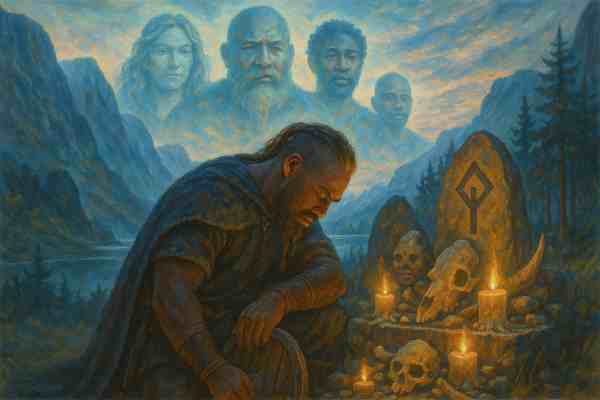
People have used a variety of practical methods for honoring ancestral roots since the beginning of civilization. Our ancestors passed down more than family names. They passed down stories, beliefs, customs, survival skills, spiritual wisdom, and life lessons. These things become part of who we are.
The reasons for honoring ancestral roots often include remembrance, healing, cultural identity, gratitude, and spiritual connection. Our lineage reminds us of the sacrifices made for our existence.
Some parts of our heritage bring strength, courage, and guidance. Other parts may carry pain, fear, or unhealthy patterns. Learning about our roots helps us understand both. When we honor our ancestors with awareness, we can carry forward the good while healing what no longer serves us.
Inner Work Gate Notice:
Some sections examine inherited emotional patterns, unhealthy beliefs, generational wounds, and behaviors that may require reflection and change. Discomfort may occur as personal and family conditioning is examined. This article supports conscious healing, self-awareness, and intentional pattern change.
Many people today feel disconnected from family history, culture, and their ancestral roots. Honoring ancestral roots helps restore that connection. It reminds us that we are part of something larger than ourselves. It also helps us build a stronger foundation for future generations.
If you look deeply into the palm of your hand, you will see your parents and all generations of your ancestors. All of them are alive at this moment. Each is present in your body. You are the continuation of each of these people.
— Thich Nhat Hanh
Why our ancestral roots are important
Understanding our heritage helps us better understand ourselves, our families, and the world around us.
Psychological importance
Learning about your roots can strengthen identity and confidence. When people understand where they come from, they often feel more grounded and secure. Family history can also provide encouragement during difficult times. Knowing your ancestors survived hardships can inspire resilience and inner strength.
Understanding family patterns also helps people recognize unhealthy emotional cycles. Some fears, beliefs, and behaviors pass from generation to generation. Awareness gives us the power to change these patterns instead of repeating them.
➡ For More See: The Art of Living Life as an Artistic Process
Cultural and social importance
Culture helps connect people through traditions, language, music, food, celebrations, and shared values. These traditions create a sense of belonging and community. Honoring ancestral roots also helps us respect the traditions of other people and cultures.
When we understand how deeply culture shapes identity, we become more compassionate toward others. We may not fully understand another family’s customs or beliefs, but we can still respect them.
Spiritual importance
Many people believe their ancestors continue to guide and influence them in spiritual ways. Some people feel this connection during dreams, meditation, prayer, or important life moments. Others honor their ancestors through storytelling, rituals, altars, or quiet reflection.
Even people who are not religious often feel connected to family lineage and the wisdom of those who came before them. Respecting our heritage and traditions reminds us that we are part of a long human story stretching across generations.
The idea of honoring our lineage may seem foreign today because many people have lost appreciation for their connection to the past. Modern culture often values only what is happening today and forgets what brought us to this point. When we overlook our connection to the past, we lose a valuable part of who we are. As a result, we can also lose sight of where we should be headed.
Benefits of honoring ancestral roots
Many of the benefits become clear through practice, reflection, and family connection.
- Reinforcing the value of family stories, customs, and important life lessons
- Preserving cultural identity and traditions
- Learning from the wisdom and struggles of past generations
- Strengthening family and community connections
- Recognizing inherited beliefs and emotional patterns
- Healing unhealthy family cycles and generational wounds
- Building gratitude for the sacrifices of previous generations
- Creating a stronger sense of meaning, identity, and purpose
- Passing wisdom and positive values to future generations
- Developing greater spiritual awareness and self-understanding
Honoring ancestral roots does not mean pretending the past was perfect. Every family line carries both strengths and struggles. Some ancestors passed down wisdom, courage, resilience, and compassion. Others may have carried fear, prejudice, addiction, trauma, or harmful beliefs.
Respecting our lineage means learning honestly from both. We can carry forward wisdom while choosing to leave behind unhealthy patterns. This is how healing and growth begin.
Healing inherited patterns
Sometimes families pass down emotional burdens along with traditions and values. Fear, shame, anger, silence, guilt, and unhealthy beliefs can move through generations without people realizing it.
These inherited patterns often shape the way people think, react, and see the world. Because they have existed for so long, they can feel normal even when they cause harm.
Healing begins with awareness. When we notice unhealthy emotional patterns and understand the reasons behind them, we gain the ability to change them. We can choose healthier beliefs, better habits, and more compassionate ways of living.
This does not mean rejecting our ancestors. It means understanding them with honesty and wisdom. Many harmful patterns began as survival responses to hardship, fear, trauma, or difficult conditions.
By becoming aware of inherited burdens, we create the opportunity to stop passing them forward.
For a deeper look at emotional burdens, inherited patterns, and inner work practices, read:
Releasing Heavy Burdens in Life: Overcoming Emotional Baggage
The practical methods for honoring ancestral roots
Family connection and remembrance
Ancestral legacies are strengthened by personal ritual and commemoration.
1. Create a place of honor
Create a small space in your home to remember your ancestors. You can use photographs, candles, keepsakes, flowers, or meaningful objects. This space becomes a reminder of your roots and family connection.
2. Learn family stories
Talk with older relatives and ask questions about family history. Write down names, memories, traditions, and experiences. Even small details help preserve family wisdom for future generations.
3. Record your family history
Preserve photographs, journals, letters, recipes, and memories. Create family records for future generations. Many important stories disappear because nobody writes them down.
4. Visit meaningful places
Visit gravesites, ancestral towns, cultural landmarks, or natural places connected to your family history. These places help create a stronger emotional connection to the past.
Cultural traditions and heritage
Positive traditions are often practical methods for honoring ancestral roots and reinforcing important ideals and values.
5. Study your cultural heritage
Learn about the traditions, languages, music, beliefs, and customs connected to your ancestry. Understanding cultural roots creates a deeper sense of identity and belonging.
6. Prepare traditional foods
Food connects generations. Cooking family meals or traditional cultural dishes helps preserve memories and traditions. Meals often carry emotional and spiritual meaning beyond nutrition.
7. Carry forward positive values
Think about the strengths your ancestors showed. Courage, resilience, kindness, faith, creativity, and determination are valuable qualities worth continuing. Honor their best qualities through your own actions.
8. Create new healthy traditions
Not all traditions need to remain the same. Some families can benefit from creating healthier rituals built around compassion, honesty, healing, and connection. New traditions can become part of the family legacy.
Healing and inner work
The use of inner work often exposes ancestral wounds and inherited patterns that require attention.
9. Heal unhealthy family patterns
Part of honoring ancestral roots means healing what causes harm. This may involve inner work, mindfulness, journaling, counseling, shadow work, or emotional healing practices. Healing yourself also helps future generations.
10. Reflect through meditation and mindfulness
Mindfulness and meditation practices help develop awareness and emotional clarity. Quiet reflection can reveal inherited emotional patterns, beliefs, and strengths that influence your life today.
11. Spend time in nature
Nature helps people feel grounded and connected. Many traditions viewed forests, mountains, rivers, and sacred sites as places of spiritual connection. Quiet time in nature can create space for reflection and remembrance.
Creative and spiritual expression
Honoring ancestral roots can also be a joyful celebration. Holidays are excellent opportunities to celebrate positive traditions.
12. Practice simple rituals
Simple rituals help strengthen connection and remembrance. Light a candle, say a prayer, reflect quietly, or dedicate a moment of gratitude to your ancestors. Repeated actions done with intention become meaningful over time.
13. Use creativity to honor them
Create art, music, writing, poetry, or crafts inspired by your heritage. Creative expression can become a powerful way to process emotions and celebrate family lineage.
14. Live with awareness of future generations
One day, future generations may look back at the choices we make today. The values, behaviors, and emotional patterns we pass forward will shape their lives just as past generations shaped ours.
Lo, there do I see my father,
I can see my mother, sisters, and brothers.
Lo, there do I see the line of my people back to the beginning.
Lo, they do call me.
They bid me take my place among them…
— Viking Prayer
Legacy and connection
When we honor ancestral roots, we begin to see ourselves differently. We are not separate from the people who came before us. We are part of a long human story connected through family, culture, memory, and shared experience.
The struggles and sacrifices of past generations helped shape the opportunities we have today. In the same way, the choices we make now will affect future generations. This awareness helps expand compassion, responsibility, and respect for others.
Many people move through life without thinking about the impact they leave behind. Honoring ancestral roots reminds us that our actions matter. The emotional patterns, beliefs, values, and habits we pass forward become part of the future.
When we heal harmful patterns and strengthen healthy ones, we create a better foundation for the people who come after us. In this way, honoring our ancestors is also an act of responsibility toward future generations.
Conclusion
The reasons for honoring and showing respect to our lineage are deeply personal. They do not need to be complicated. Practical methods for honoring our lineage, like expressing gratitude or setting aside time to reflect on an ancestor, require very little preparation.
Short sessions provide time for healing and building meaningful connections. Learning family stories, preserving traditions, spending time in nature, creating rituals, and practicing mindfulness all help strengthen awareness of where we came from.
Our ancestors passed down more than genetics. They passed down survival, wisdom, beliefs, traditions, struggles, and dreams. Some of these gifts strengthen us. Others require healing and understanding. Honoring ancestral roots means learning from both.
As we become more aware of inherited patterns, we gain the ability to choose what we carry forward. We can continue traditions that bring wisdom and connection while releasing beliefs and behaviors that create harm.
Spiritual growth often begins with remembrance. Looking honestly at the past helps us move forward with greater awareness, compassion, and purpose. Honoring ancestral roots helps us better understand ourselves, our families, and our place in the larger human story.
The way we live today will shape the generations that come after us. Let us build a legacy of wisdom, healing, kindness, and awareness for the generations still to come.
References
- No Death, No Fear: Comforting Wisdom for Life, Thich Nhat Hanh.
- The Art of Living, Thich Nhat Hanh.
- Man’s Search for Meaning, Viktor E. Frankl.
- The Hero with a Thousand Faces, Joseph Campbell.
- The Archetypes and the Collective Unconscious, Carl G. Jung.
- Man and His Symbols, Carl G. Jung.
- Family Therapy in Clinical Practice, Murray Bowen.
- It Didn’t Start with You: How Inherited Family Trauma Shapes Who We Are and How to End the Cycle, Mark Wolynn.
- Mindfulness in Plain English, Bhante Henepola Gunaratana.
- Emotional Inheritance and Family Systems, National Institutes of Health.
- Intergenerational Trauma and Resilience, National Library of Medicine.
- Cultural Identity and Psychological Well-Being, National Institute of Mental Health.
- Ritual and Symbolic Practice in Human Culture, American Psychological Association.
- Ancestral Worship, Stanford Encyclopedia of Philosophy.
- Ancestor Veneration, Wikipedia.
About this project
The Seeker Project 4 Spiritual Exploration (SP4SE) is a project of Americans In Alliance. The mission of SP4SE is spiritual education. The mission of Americans In Alliance is environmental conservancy. Click the links below to learn more and support our efforts.