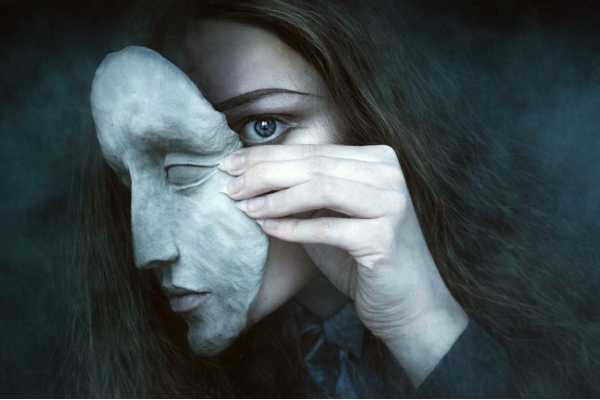
Most people believe their choices are based on good judgment. But what feels like a rational decision can be prejudice disguised as choice. Challenging biased decision-making requires the dismantling of the factors behind it.
We are choice-making machines. Because we make so many choices every day, we are not aware of the hidden processes involved. Nor are we aware of all the forces that can sway a decision. If given the option, most people would want their choices to be based on factual, unprejudiced information.
If we slow down and unpack the mechanisms of choice, something interesting happens. As we unpack the thinking, the influences behind the choice become visible.
Inner Work Gate Notice:
It may increase discomfort before resolution. The exercises are designed to examine and restructure belief patterns, identity structures, or emotional resistance. Emotional stability should be established before engaging this material. This article is not designed for immediate calming. It is designed for transformation.
What a choice is and why it matters
A choice is a decision between options. Some choices are small, like what to eat. Others are big, like who to trust or how to treat someone. Every choice has two kinds of results:
- Intended consequences — the outcome we want or expect.
- Unintended consequences — the outcome we did not plan, but it still happens.
Unintended consequences matter because they can cause harm even when we did not mean to hurt anyone.
Here is a simple example of how this works:
A person goes to the store to buy vegetables for dinner. They see two options: a vegetable grown locally and a vegetable shipped from another country. The one from another country is cheaper, so they choose it without thinking much about it. The choice feels simple and harmless. They just want to save money and get home quickly.
But the cheaper vegetable has hidden costs they did not see. Shipping it across the world used more fuel and created more pollution. The farm that grows it may pay its workers very little. The long trip means the vegetables needed extra packaging and storage. None of this was part of the person’s intention. They only meant to buy food. But their choice supported systems they never thought about and created effects they never planned.
This is how unintended consequences work. A choice looks small and neutral, but hidden factors shape the outcome. The person believes they made a reasonable decision, yet the result reaches further than they expected. The harm does not come from bad intentions. It comes from not seeing everything the choice touches.
Prejudice disguised as choice is not always intentional.
Over time, these unintended consequences build patterns of unfair treatment. A person thinks they are choosing fairly, but their hidden beliefs shape the choice and the outcomes. The choice then creates results that make the hidden beliefs feel true.
This is how a simple choice can turn into prejudice without anyone noticing. Challenging biased decision-making is made harder when we fail to see the connection between choice and biased thinking.
The forces that can promote bias and prejudice
We do not make choices in a vacuum. Many forces shape how we think and decide, such as:
- Family teachings
- Religious beliefs
- Political messages
- Social media and news
- Cultural stories about different groups
- Friends and community
- Past experiences
These forces create patterns in our minds. Over time, these patterns feel normal. They become our “automatic” way of seeing the world.
To understand how these patterns shape choices, we need to know four key ideas:
- Implicit bias — hidden beliefs we are not aware of.
- Stereotypes — simple and often unfair ideas about groups.
- Cognitive biases — thinking shortcuts that can lead to mistakes.
- Prejudice — judging people based on inherent characteristics.
These forces do not stay in the background. They guide our choices. They can make us think we are being fair when we are actually acting on old beliefs we never questioned.
Prejudice disguised as choice
Cognitive biases are mental shortcuts. They help the brain move fast, but they can twist the truth. When these shortcuts mix with stereotypes, they shape our choices in unfair ways. Challenging biased decision-making and prejudice starts by recognizing it.
| Unconscious Patterns | |
|---|---|
| Pattern | What it means |
| Confirmation Bias | Seek what we already believe and ignore what we do not. |
| Cognitive Efficiency | The brain uses old patterns, even if it is wrong. |
| Implicit Bias | Hidden beliefs formed by culture, media, and family. |
| Cognitive Dissonance | Avoid the discomfort of ideas that challenge our beliefs. |
| Social Conditioning | Learning what is “normal” from the social circle |
| Self‑Protection | Hiding harmful beliefs to avoid guilt or conflict. |
| Attribution Theory | Blaming outsiders for their behavior but excusing ours. |
| Social Identity Theory | Dividing people into “us” and “them.” |
| Emotional Reactions | Fear or anger shapes choices before we think. |
| Stereotype Threat | Match stereotype beliefs and actions under pressure. |
These biases shape what we notice, what we remember, and how we judge others. They turn old beliefs into “evidence” and make our choices feel right, even when they are not fair.
How groups and beliefs shape bias
Some of the strongest hidden prejudice disguised as choice comes from strict religious and political groups. These groups often teach:
- Membership provides special privileges
- Specific beliefs are the only truth
- People outside the group are wrong or less worthy
When someone believes they are chosen or superior, they may feel justified in treating others unfairly. They may ignore the harm their choices cause because they think their side is always right.
Group identity makes this even stronger. People want to belong. They want to avoid conflict. They want to feel safe. Because of this, they may defend harmful beliefs even when they know something is wrong.
These group forces shape how people see the world. They also shape how people make choices.
The mechanics of how prejudice becomes a choice
Now that we understand how biased decision-making works and how unintended consequences form, we can see how prejudice grows out of the same process.
Prejudice does not always begin with open hate. It can begin with hidden beliefs that shape quick decisions. When a person makes a choice based on a belief they never questioned, the choice feels neutral. But the outcome often favors one group and harms another. Over time, these outcomes repeat and form patterns.
Prejudice becomes a choice when they believe they are acting in alignment with sound judgment. But the real force behind the decision is a hidden belief shaped by culture, family, religion, or group identity. The choice feels personal, but the pattern is social. The person does not see the bias because the belief feels normal. The harm does not feel intentional because the decision feels natural.
Prejudice becomes stronger each time a biased choice creates a result that seems to confirm the belief. The person thinks the outcome proves they were right, even though the belief shaped the outcome in the first place. This loop makes prejudice feel like common sense instead of a learned idea. It turns hidden bias into repeated action and repeated action into a stable pattern.
Challenging biased decision-making and prejudice is often seen as a personal attack. This happens when prejudice becomes a part of identity. They do not see the harmful belief behind the decision. Without awareness, the pattern continues, and the person believes they are being fair even while repeating unfair behavior.
Tools for challenging bias
We can challenge prejudice disguised as choice by using tools that help us see our hidden beliefs. These tools help us slow down, reflect, and understand why we think the way we do.
- Repetitive question exercise — Asking the same question again and again helps uncover deeper beliefs.
- Enneagram personality profile — Helps people understand their fears and motivations.
- Comparative religious study — Studying different religions side by side challenges the idea that one belief system is the only truth.
- Mindfulness and japa meditation — These practices quiet the mind and help people notice automatic judgments.
These tools help us see the hidden programming that shapes our choices. They help us act with awareness instead of habit.
Reclaiming choice, challenging biased decision-making
To make fair choices, we must look at what shapes our thinking. We must question the beliefs we inherited and the stories we were told. True choice is not just picking an option. True choice means knowing why we picked it.
When we slow down and reflect, we begin to see our hidden biases. We notice when a “feeling” is really a stereotype. We notice when a “preference” is really old programming. Then we can choose differently.
We can treat people as individuals, not labels. We can act from fairness instead of fear. We can become independent thinkers instead of followers of untested beliefs.
This is how we challenge prejudice disguised as choice. This is how we reclaim our minds from the effects of biased decision-making. This is how we grow into more aware, more honest, and more human beings.
References
- Thinking, Fast and Slow, Daniel Kahneman.
- Blindspot: Hidden Biases of Good People, Mahzarin R. Banaji & Anthony G. Greenwald.
- The Righteous Mind: Why Good People Are Divided by Politics and Religion, Jonathan Haidt.
- Influence: The Psychology of Persuasion, Robert B. Cialdini.
- Groupthink: Psychological Studies of Policy Decisions and Fiascoes, Irving L. Janis.
- A Theory of Cognitive Dissonance, Leon Festinger.
- Implicit Bias and Decision Making, National Institute of Mental Health.
- Social Identity Theory and Intergroup Behavior, National Institutes of Health.
- Attribution Theory in Social Psychology, National Library of Medicine.
- Cognitive Bias, Stanford Encyclopedia of Philosophy.
- Implicit Bias, Wikipedia.