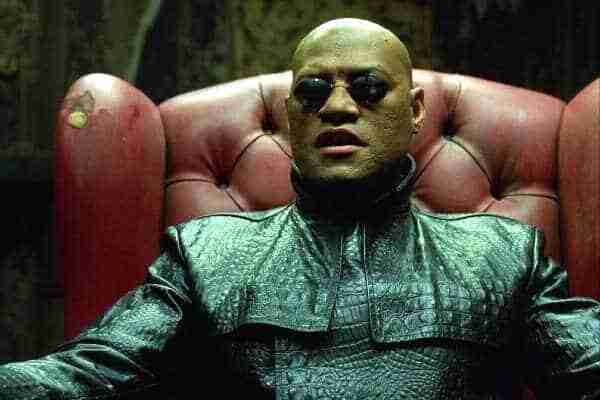
The Matrix movies are about how people are asleep to reality. The films show how ideas, beliefs, and systems shape perceptions. By understanding the symbolic system, we can see the tactics used to guide our thoughts.
These films show that reality isn’t what we sense. It’s also shaped by language, media, authority, and tradition. Exploring this symbolism, we learn how we accept inherited beliefs without examining them.
This movie series is more than entertainment. It acts like a mirror, reflecting our shared mindset. It asks whether we are living with awareness or repeating old patterns.
The Matrix Movies as a Symbolic System
Culture works like a matrix. It is a web of stories, rules, and beliefs that shape how we see the world. From a young age, we learn about success and failure. We also figure out who to trust and what to fear.
These invisible frameworks become so familiar that we mistake them for objective truth. When we accept these stories without question, they become illusions. These illusions can shape our identity and limit our freedom. They define what we think is possible and what we assume is impossible.
Seeing the symbols behind these stories helps us step out of the illusions and think for ourselves. Just as Neo learns that the world he sees is a constructed program, we can begin to recognize the programs running in our own minds.
This does not mean a complete rejection of society. It means recognizing its influence, like in the Matrix movies. This way, we can choose our beliefs instead of accepting them. Awareness is the first step toward spiritual freedom.
How Symbolic Language Programs Belief
Analogy
An analogy compares one thing to another to make an idea easier to understand. It can be helpful, but it can also trick us if we accept the comparison without thinking about it.
Analogies shape perception by narrowing complex ideas into simple parallels. When repeated often enough, they become mental shortcuts that guide our conclusions. If the analogy is flawed, the belief built upon it may also be flawed.
Metaphor
A metaphor uses one idea to stand in for something else. It helps us picture things we cannot see. But when metaphors are treated as facts, they can shape beliefs in ways that are not true.
For example, describing life as a “battle” may encourage constant competition and defensiveness. Describing it as a “journey” may encourage growth and patience. The metaphors we live by quietly determine how we behave.
Simile
A simile uses “like” or “as” to compare two things. It guides how we feel about something by connecting it to something familiar. It can shape our emotions without us noticing. When ideas are repeatedly compared to danger, disease, or enemies, fear grows.
When they are compared to light, growth, or opportunity, hope grows. Language programs emotional responses long before logic steps in.
Word Pictures
The Matrix movies create vivid images. They tell a story that uncovers hard truths about manipulation, conformity, and awakening. Through imagery, it teaches in ways an abstract argument never could. Word pictures use stories and images to make ideas feel real.
They work on our imagination and can shape beliefs more strongly than facts. This is why they are used in religion, politics, and advertising. Stories bypass resistance and speak directly to identity and desire.
Understanding the Symbolic System of The Matrix Movies
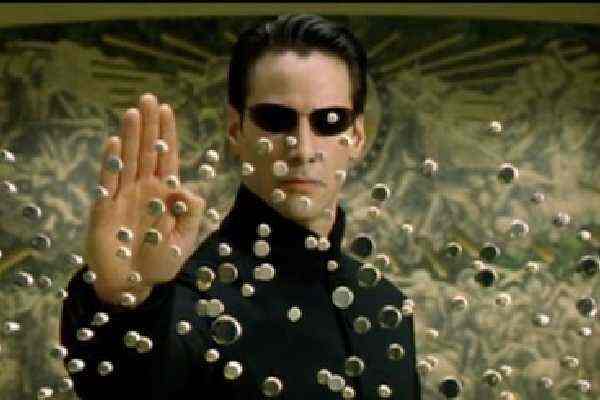
1. Symbols of Awakening and Choice
These symbols show the moment when a person begins to question what they have been taught. They mark the shift from living inside an illusion to seeing the truth behind it. Awakening is rarely comfortable. It disrupts certainty and challenges identity. Yet it is the doorway to transformation.
Red Pill
The red pill means choosing truth, even when it is hard. It shows the moment someone decides to face reality instead of hiding from it. Spiritually, it represents radical honesty with oneself. It is the willingness to question authority, tradition, and even personal assumptions. The red pill is not about rebellion for its own sake; it is about integrity and the courage to see clearly.
Blue Pill
The blue pill means choosing comfort over truth. It shows the desire to stay with familiar beliefs, even if they are not real. This symbol reflects the human tendency to avoid discomfort. Illusions often feel safer than uncertainty. The blue pill reminds us that comfort can become a cage when it prevents growth.
White Rabbit
The white rabbit is the first sign that something is wrong with the world you know. It represents curiosity and the start of a deeper search. Spiritual awakening often starts with small questions. These can be moments of doubt, synchronicity, or sudden insights. Following the white rabbit means following curiosity beyond surface answers.
Mirror
The mirror shows the moment you see your true self. It represents looking past your roles and beliefs to find who you really are. In spiritual traditions, self-reflection is essential. The mirror represents self-exploration. Here, illusions fade away, and true identity starts to emerge.
Phone Booth
The phone booth is the link between illusion and reality. It represents the inner voice that helps you step out of confusion and into clarity. It is the point of transition, the space where decision becomes action. Spiritually, it reflects the connection between awareness and transformation.
2. Symbols of Identity and Transformation
These symbols show how a person changes once they begin to wake up. They represent the work of letting go of old beliefs and building a stronger, clearer sense of self. Transformation is not instant. It requires discipline, humility, and persistence. Understanding the symbolic system behind these elements helps us identify key players in our lives.
Neo
Neo represents the hidden potential inside every person. His journey shows how we can grow when we stop letting old beliefs control us. He begins uncertain and doubtful, but through awareness and practice, he steps into power. Spiritually, Neo symbolizes the awakening self—the part of us capable of transcending limitation.
Morpheus
Morpheus represents the guide who helps us wake up. He stands for trust, courage, and the wisdom to question what others accept. Every awakening journey often includes mentors, teachers, or experiences that challenge our worldview. Morpheus embodies faith in possibility before proof appears.
Trinity
Trinity represents inner strength, intuition, and loyalty. She shows how support and courage help us grow into our true selves. Transformation is rarely solitary. Trinity symbolizes balance between logic and intuition, action and belief.
Dojo
The dojo represents the inner place where we train our mind and emotions. It shows the work needed to build new habits and new ways of thinking. Spiritual growth requires practice. The dojo symbolizes discipline, repetition, and the rewiring of thought patterns.
Mirror Glasses
The mirror glasses show that what we see is shaped by how we think. They remind us that perception is not the same as truth. They symbolize filtered awareness and the idea that every observer carries bias. Recognizing this bias is part of awakening.
3. Symbols of Control and Illusion
The symbolic system of popular culture is designed to keep people in line. They reveal the tricks, rules, and pressures that make people accept illusions as reality. Control often operates invisibly, blending into normal life.
Matrix Code
The green code shows the hidden structure behind the illusion. It represents the patterns and rules that shape how we see the world. Beneath every cultural system are underlying assumptions. When we learn to “read the code,” we begin to see those assumptions clearly.
Agents
Agents represent the forces that protect the system. They stand for the beliefs and pressures that stop people from questioning the world around them. These forces can appear as authority, social pressure, or internal fear. They enforce conformity.
Black Cat
The black cat shows a glitch in the illusion. It represents moments when something feels off, and we sense that the world is not what it seems. These glitches are invitations to awareness. They disrupt routine and open the door to questioning.
Pillars
The pillars represent the rigid structure of the system. They show how rules and hierarchies keep people in place. Institutions, traditions, and power structures can offer stability. However, they may limit growth if they resist change.
Red Dress Woman
The woman in the red dress represents distraction. She shows how temptation and entertainment can keep us from seeing the truth. Distraction is one of the most powerful tools of control. When attention is constantly diverted, deeper questions are never asked.
4. Symbols of Knowledge and Prophecy
These symbols show the deeper wisdom that helps us understand the world. They represent insight, intuition, and the tools that help us see beyond the surface. Knowledge alone is not enough; interpretation and awareness give it meaning.
The Oracle
The Oracle represents inner wisdom. She shows how we can sense patterns and possibilities before they happen. Her guidance reflects the idea that truth often comes quietly, through intuition rather than force.
Oracle’s Cookies
The cookies represent how small things can shape our choices. They show how belief and expectation influence what we do. Suggestion and subtle encouragement can redirect an entire path.
The Architect
The Architect represents the cold logic behind systems. He shows how structures are built to shape behavior and control outcomes. Logic without empathy can create efficient but limiting systems.
The Keymaker
The Keymaker represents access to a deeper understanding. He stands for the tools and insights that help us unlock hidden truths. Every locked door symbolizes a belief barrier waiting to be examined.
Nebuchadnezzar
The ship represents the journey toward truth. It carries people from illusion to awareness and supports their transformation. Spiritually, it symbolizes community and shared purpose on the path to awakening.
5. Symbols of Corruption and Consequence
These symbols show what happens when people cling to illusion or use others to protect their comfort. They reveal the cost of refusing to grow. Every choice has spiritual consequences.
Cypher
Cypher represents the choice to return to illusion. He shows how fear and comfort can lead people to betray themselves and others. His character reminds us that awakening requires responsibility. Once truth is seen, ignoring it creates inner conflict.
Tank and Dozer
Tank and Dozer represent the innocent people harmed by greed and conflict. They show how the struggle between truth and illusion affects everyone around us. Awakening is not isolated; it has ripple effects across relationships and communities.
Tools for Unplugging
Unplugging is not a single decision. It’s a focused practice. It reshapes how we see things, calms the nervous system, and rebuilds our identity on purpose. Neo needed training after taking the red pill. Similarly, awakening in real life needs structure. The following tools support that process.
Cognitive Deconstruction Frameworks
Learn to trace beliefs back to their origin. Identify hidden assumptions and dismantle narratives that were accepted without examination. These tools help you read the “code” beneath cultural stories.
Identity and Ego Rebuilding Systems
Separate roles from true self. Examine inherited labels, question internalized expectations, and consciously define your core values. This is the mirror work that transforms confusion into clarity.
Perception Training Protocols
Develop attention control, bias recognition, and emotional awareness. Strengthen your ability to observe thoughts rather than react to them. This sharpens discernment and reduces distortion.
Nervous System Stabilization Methods
These methods help you stay steady during awakening.
- Use breath regulation.
- Practice somatic grounding.
- Apply stress adaptation techniques.
These methods help you stay steady during awakening.
Clarity requires a regulated body as much as a clear mind.
Symbol Literacy and Media Decoding
Study archetypes, persuasion patterns, and cultural myths. Discover how language and images shape beliefs. This helps you spot influence rather than just taking it in without thinking.
Sovereign Decision-Making Models
Practice values-based choice systems that prioritize long-term integrity over short-term comfort. Strengthen the ability to stand apart from social pressure and act with intention.
Are You Ready to Unplug?
By understanding the symbolic system in the matrix moves, we can easily translate them for use in our own lives. When we see how illusions are built, we can step outside them. Awakening is a lifelong practice of noticing, questioning, and choosing what is real. It requires humility to admit we may have been mistaken and courage to change direction.
The invitation is not to reject the world, but to engage with it consciously. The question is not whether a matrix exists, but whether we are willing to examine the one shaping us.
References
- Metaphor. Stanford Encyclopedia of Philosophy.
- Narrative Identity and the Construction of Meaning. Frontiers in Psychology.
- Cognitive Bias and Decision Making. Annual Review of Psychology.
- Levels of Consciousness and the Brain. Frontiers in Psychology.
- The Power of Story in Shaping Belief. American Psychological Association.
- Dreaming, Symbolism, and Consciousness. Frontiers in Psychology.