Many people are drawn to the supernatural, paranormal, and unknown. It triggers both fear and interest. Decoding the fear of the unknown and the paranormal is about the mind’s reaction to a perceived danger.
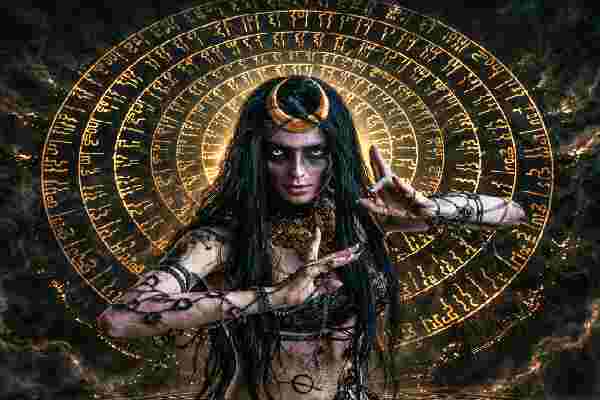
Seeker Project 4 Spiritual Exploration (SP4SE)
Techniques for exploring consciousness
Many people are drawn to the supernatural, paranormal, and unknown. It triggers both fear and interest. Decoding the fear of the unknown and the paranormal is about the mind’s reaction to a perceived danger.

People look for healing outside themselves, hoping the next insight or practice will finally bring relief. Yet the deeper shift often begins in the quiet places within. By enhancing the mind-body connection, we allow healing through self-awareness.

Authentic faith sounds simple, but the meaning shifts depending on how you look at it. Different viewpoints highlight different parts of what it means to believe something sincerely, which is why people often talk past each other when they use the same words.
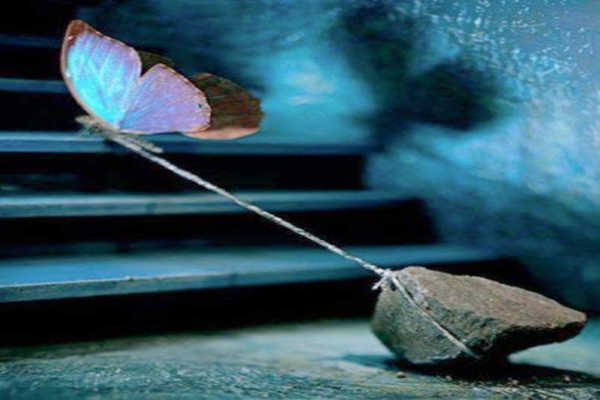
If you carry something long enough, you stop noticing it. What once felt heavy becomes familiar. Emotional burdens work the same way. Over time, we adapt to the weight we carry and mistake endurance for strength. Until something shifts, we may not realize how much effort it takes just to get through the day.

The inward journey is a primary element of shamanic practice. It opens the doorway to an inner world of symbolism and typologies of the psyche. Here, you can find healing, guidance, and spiritual insight. We have a step-by-step shamanic Journey guide to help you learn this process.

Shamanic rhythms and instruments are more than sound—they are tools for transformation. For thousands of years, shamans have used rhythm and tone to alter consciousness. These sounds come from many cultures and include drums, rattles, flutes, gongs, and even the human voice.