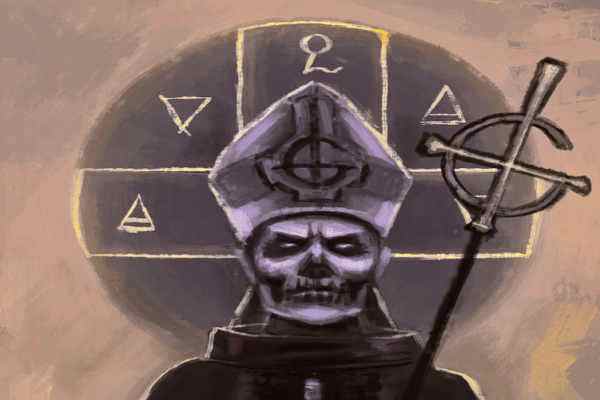
We live in a time of major scientific progress, which makes it troubling to see harmful old beliefs gaining strength. The rise of extremism has led many to fear “The New Dark Age.” Understanding the effects of ideological extremism matters because it affects all of us.
Extremism means holding extreme beliefs and pushing them through forceful action. Studying this mindset helps reveal the roots of oppression, persecution, and violence.
This topic can be uncomfortable. Still, we must explore it without attacking the people who hold these beliefs. We’ll examine history and current events to understand how these ideas develop.
First, establish emotional balance to achieve stability. Use metacognition to critically assess beliefs and separate thoughts from emotional triggers.
Religious Ideologies and Extremism
An ideology is a set of ideas and values that shape how people see the world. Religions are one type of ideology.
What Makes Ideas Radical:
Radical ideas challenge the way things normally work. They call for big, fast changes. Some radical ideas help society improve. Others cause harm and divide people.
The Political Spectrum:
Political beliefs range from left to right. Left-leaning views emphasize progress and the protection of individual rights. Right-leaning views often emphasize tradition and the preservation of structures that echo religious beliefs and values.
Extreme Ideologies:
Political beliefs range from left to right. Left-leaning views emphasize progress and the protection of individual rights. Right-leaning views often focus on tradition. These systems seek to preserve structures that reflect religious beliefs and values.
Understanding The Effects of Ideological Extremism
Extremist thinking used to stay on the edges of society, but now it has moved into the mainstream. Its goal is to gain power and shape laws. These laws always harm people outside the favored group.
Such policies weaken democracy, slow scientific progress, and strip away civil liberties. They constrain freedom of thought and action and pave the way for even more extreme ideas.
Our focus is on far‑right extremism, which is deeply harmful to society. This worldview is taught through long‑term indoctrination and passed down through generations. Because it becomes part of the culture, many people don’t see it as dangerous. Even when they do, they may feel unable to challenge it.
Ideological extremism acts like a cancer. It spreads quietly, damages relationships, harms scientific work, and weakens communities.
Religion and far‑right politics often propagate these ideas. They may be built on beliefs of racial, ethnic, or economic superiority. They use their influence to promote strict, exclusionary forms of belief, often labeled as nationalism.
Nationalism holds that one’s country is superior to all others. It often hides racism and favoritism behind patriotic language. This mindset creates an “us versus them” world filled with fear, isolation, and violence.
Many radical ideas in Western culture come from the Abrahamic tradition. This tradition has roots in ancient Mediterranean mystery cults. Over time, strict laws and patriarchal systems justified unfair treatment, war, and genocide. These actions often use religious language and small acts of charity to improve public image. However, the real goal is to attract more people to the belief system.
The Effects of Ideological Extremism on
To understand “The New Dark Age,” we need to look back at history from 500 to 1000 CE. This is where the name comes from. It was the period during which the Christian Church exerted control over society. It (darkened) suppressed science, promoted superstition, and punished anyone with different beliefs. Much knowledge was lost as the Church destroyed ideas that didn’t fit its doctrines. This period illustrates the power of religious indoctrination.
Today, the Abrahamic faiths face challenges in a modern, scientific world. As science progresses, these groups often boost radical beliefs to keep followers and maintain power. This results in harmful social effects, including:
1. Fragmentation of society. Extremism divides communities. People retreat into echo chambers where their beliefs are constantly reinforced. This weakens dialogue, reduces exposure to new ideas, and erodes social unity.
2. Distrust and polarization. Extremist thinking turns outsiders into enemies. Opposing views are seen as threats, even as “less than human.” This mindset fuels hostility and widens the gap between groups. It makes cooperation nearly impossible.
3. Erosion of democratic values. Democracy depends on respect, tolerance, and compromise. Extremism undermines these values and encourages harm for its own sake. As democratic norms weaken, authoritarian behavior grows. History shows that when violent actions go unpunished, they become rehearsals for future attempts.
4. Rise of radicalization and violence. Unchecked extremism often leads to violence. Followers justify harmful actions as part of their cause. These acts spread fear and anxiety throughout society. When harmful ideas are tolerated, they plant seeds of mistrust and domestic terrorism.
5. Mental health damage. People caught in extremist systems face stress, anxiety, and depression. The pressure to accept extreme ideas creates isolation and emotional exhaustion. Cognitive dissonance increases individuals’ vulnerability to harmful behavior.
6. Harm to scientific progress. Extremists often reject science, particularly in evolution, climate change, and reproductive rights. Anti-science voices spread misinformation. This was clear during the COVID-19 pandemic, when false claims caused preventable deaths.
Summation
Religious extremist ideologies are strong influences in culture, even though the harm they cause is obvious. As far-right radical leaders gain influence, society becomes more fractured and more prone to violence. Prejudice and bias are defended through force, not reason.
Understanding the effects of ideological extremism is the first step toward addressing it. Through dialogue and critical thinking, we can expose the hate that divides us and begin the work of healing.
The Abrahamic Family Tree and The New Dark Age
The Abrahamic religions—Christianity, Islam, and Judaism—share a long history, and like any family tree, they have a dark side. When religious bigotry mixes with politics, it becomes a global threat. Violence carried out in the name of faith shows how easily these systems can pull society into deeper conflict. To address this, we need an honest look at how these traditions can fuel extremism.
The Christian Dark Ages were not the only period characterized by religious control. All three Abrahamic faiths have produced radical movements. In these movements, hate and intolerance overshadow compassion. Extremists twist their religions into tools for control. The goal is to return society to a time when religious authority ruled every part of life.
Across the Abrahamic family tree, several patterns appear:
1. Sectarianism. The Abrahamic tradtions religions have a long history of splitting people into rival groups. From the Crusades to the present, sectarianism breaks apart societies and hides our shared humanity.
2. Claims of superiority. Each tradition has groups that claim religious, ethnic, or racial superiority. These beliefs create boundaries, fuel violence, and justify discrimination. The idea of “purity” often hides behind threats and force.
3. Patriarchal domination. All three religions have deep patriarchal roots. Women have been denied autonomy and equal rights for centuries. This male‑centered structure impedes social progress and perpetuates inequality.
4. Discrimination against women and LGBTQ+ people. Extremists misuse doctrine to justify discrimination. They target women and those with diverse sexual identities. These beliefs support the myth of male superiority. They also punish those who don’t fit traditional gender roles.
5. Violence and even genocide. The Abrahamic traditions have histories of using violence against outsiders. Extremist groups still defend harm against “non-believers.” This spreads intolerance and endangers global stability.
These extremist ideologies distract society from urgent global issues like climate change. Organized religion can block peace and progress. When radical forces take control, it stops humanity from moving forward.
Christian Extremism
In a scientific age, many assume extremist beliefs should have faded. Instead, Abrahamic extremism remains a major threat to global stability. Its social effects continue the same old pattern of harm.
Historical Examples:
1. The Spanish Inquisition (15th–19th century) is a clear example of religious extremism. Driven by zeal, it targeted anyone accused of heresy. Many were tortured or killed for simply questioning church teachings. It shows the danger of unchecked religious power.
2. The Salem witch trials (1690s) revealed how superstition and fear can lead to torture and executions. Accusations alone were enough to destroy lives, proving how extreme beliefs can spark mass hysteria.
Current Examples:
1. Violence against abortion providers. Some Christian extremists commit bombings and shootings in the name of “protecting life.” These attacks endanger medical workers and restrict women’s rights.
2. LGBT+ discrimination. Extremists are against equal rights. They back harmful conversion practices and misuse scripture to justify violence. Their actions instill fear and hostility in already marginalized groups.
Christian extremism is rising through movements like the Alt-Right. This blends Christian conservatism with racism and nationalism. While it doesn’t represent all Christians, it strongly influences public opinion and policymaking. Its “no labels” strategy masks radical beliefs with softer language.
As scripture interpretations change, conflicts arise between orthodox, extremist, and progressive views. Debates over gender, sexuality, and tolerance create deep divides. These struggles raise concerns that society may be heading toward “the New Dark Age.”
Islamic Extremism
Many find peace in Islam, but it is also important to recognize the rise of extremist factions. Islamic extremism has long caused suppression, persecution, and discrimination. Most Muslims are peaceful, yet radical groups continue to operate.
Historical Examples:
1. The Islamic State (IS). IS has destroyed cultural sites, persecuted minorities, and carried out terror attacks. Their goal is to spread fear and eliminate those they consider “undesirable.”
2. The Taliban (1996–2001) enforced harsh interpretations of Sharia law. They oppressed women, banned education, and carried out public executions. Their rule shows how fundamentalism can erase freedom and progress.
Current Examples:
1. Al‑Qaeda. This group has carried out attacks worldwide, including the 1998 embassy bombings and the September 11 attacks. Al‑Qaeda twists Islamic teachings to justify terror and spread fear.
2. ISIS. ISIS is known for mass executions, sexual slavery, and global terror attacks. This has raised worries about radicalization and the spread of extremist ideas.
Islamic extremism harms both Muslim communities and the world at large. Still, extremists represent only a tiny fraction of the global Muslim population. Many Muslims work for peace and coexistence.
Education and dialogue are essential. Highlighting Islam’s peaceful teachings can help fight extremist beliefs. Promoting interfaith dialogue and understanding are key steps toward preventing “the New Dark Age.
Jewish Extremism
The Israeli-Palestinian conflict has led to suppression and discrimination. Israel’s policies often affect non-Jewish communities, particularly Palestinians. These policies include rules that restrict movement, rights, and daily life. Such apartheid-like practices stem from radical ideologies. They do not reflect a just or healthy society.y.
Historical Examples:
1. Assassination as a political solution. Israeli history has moments of extremism. One example is the 1995 assassination of Prime Minister Yitzhak Rabin. Yigal Amir carried out this act because he opposed peace efforts with Palestine.
2. Bombing by the Zionist paramilitary. In 1946, the Irgun bombed the King David Hotel, killing many. Menachem Begin led the group, using terror tactics in the fight for Israeli independence. This left a lasting mark on the history of Jewish resistance.
Current Examples:
1. Expansion of Israeli settlements. Settlements in the occupied West Bank violate international law and displace Palestinians. They deepen division and disrupt daily life.
2. Systematic discrimination and checkpoints. Checkpoints create an atmosphere of control and humiliation. Long waits and strict searches block access to healthcare, education, and freedom. This reinforces the marginalization of Palestinians.
3. Targeting civilian infrastructure and blockades. In Gaza, strikes on hospitals, schools, and utilities worsen living conditions. Blockades restrict the flow of essential supplies and impede economic growth. These actions harm civilians and further isolate Palestinians.
4. Rise of groups like Lehava. Lehava works to prevent interfaith relationships and spreads hate speech and intimidation. Their actions fuel hostility and weaken social cohesion.
The conflict facilitates the growth of extremist elements. Attacks on civilians and land seizures show apartheid-like policies. These actions hurt Israel’s global reputation and hinder peace efforts. International pressure is needed to challenge these actions and support a just resolution.
Conclusion on The Consequences of Extremist Ideologies
The threat of a New Dark Age is real. Many societies have fallen under the influence of extremism. Strong leadership, education, and open dialogue are needed. These steps will help prevent cultural and political decline.
Final Thoughts
We are in a time when old forms of extremism are coming back. Radical groups in Christianity, Islam, and Judaism still play a role in shaping politics, culture, and daily life. Their impact divides communities, weakens democracy, harms science, and fuels fear and violence. While these movements don’t define entire religions, their effects are significant.
Acknowledging this truth is the first step to change. We can’t tackle extremism by ignoring, excusing, or pretending it’s a thing of the past. We must confront it with honesty, clarity, and courage. This involves picking leaders who honor human rights. It also means backing education that fosters critical thinking. Lastly, we should build spaces for open dialogue, avoiding fear and misinformation.
A New Dark Age isn’t our fate. The future depends on us. We need to challenge harmful ideas. We must protect vulnerable communities. Also, we should rebuild trust between cultures and religions. When we choose understanding over division and compassion over control, we begin to create a healthier, more humane world. The effects of ideological extremism are not a certainty. We can change the trajectory.
The work begins with awareness—and continues with each choice we make to stand on the side of reason, empathy, and shared humanity.
References
- Religious Literacy Project (Harvard Divinity School). Offers resources on the Abrahamic family tree and its historical impact.
- TED Talk: Karen Armstrong — “The Battle for God”. Explores the rise of religious fundamentalism in the Abrahamic traditions.
- Islam: A Short History — Karen Armstrong. A concise history of Islam and its place within the Abrahamic family.
- The Great Transformation — Karen Armstrong. Examines the origins and shared values of major religious traditions.
- The Darkening Age — Catherine Nixey. Discusses how early Christian extremism contributed to the historical Dark Ages and the destruction of classical knowledge.