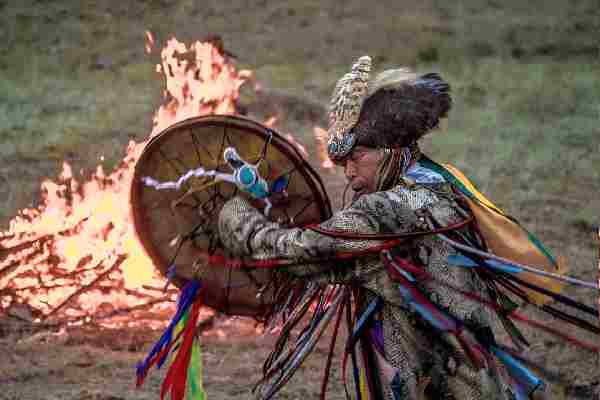
Shamanism is one of the oldest spiritual traditions. Yet, its wisdom feels more relevant than ever. For thousands of years, it has helped people find meaning, heal, and connect. Today, this ancient path is making a powerful comeback. Let’s explore the core principles of shamanism, the vision quest journey.
Picture life thousands of years ago. No hospitals. No therapists. No science books. Yet people still got sick, felt lost, and needed answers. Who helped them? The shaman—the healer, guide, and wisdom keeper of the tribe.
The Origins and Evolution of Shamanism
This article explores the core principles of shamanism, its history, and why it matters today. You’ll learn how the vision quest journey connects to modern science and discover practical tools you can use. The practices of shamanism are among humankind’s earliest tools for exploring consciousness. It’s often known as the first spiritual technology.
What is a Spiritual Technology?
Spiritual technologies are ancient tools developed by cultures to explore consciousness. Think of spiritual technologies as bridges. On one side is the physical world—the everyday reality of work, stress, and schedules. On the other side is the unseen world of spirit, intuition, and profound wisdom. These tools help you cross that bridge safely and with purpose.
What Is Shamanism?
Shamanism is a way of life that teaches harmony with nature and spirit. A shaman is not just a healer—they are a bridge between worlds. They enter altered states of consciousness to find answers, heal sickness, and restore balance.
Unlike many belief systems, shamanism does not say “just believe.” It says, “experience it yourself.” Shamanism is referred to as a spiritual technology—it uses methods that work, regardless of culture or language.
The Role of a Shaman: More Than a Spiritual Practitioner
A shaman is far more than someone who performs rituals. In traditional societies, the shaman is a key figure. They act as healer, counselors, and guides for both individuals and the community. Their role goes beyond spiritual tasks. They help keep harmony between people, nature, and the unseen world.
Leading
Shamans guide others through the shamanic process. They teach how to enter altered states safely and interpret the visions that arise during a vision quest journey. This leadership is not about control—it is about helping others find their own connection to spirit.
Before the shamanic journey, a shaman prepares the seeker with breathwork and drumming. After the journey, they help interpret symbols—like an eagle representing freedom or a river symbolizing change.
Healing Illness
Shamans were the first healers. They use herbs, energy work, and spiritual intervention to restore balance. Illness is often seen as a disruption in harmony between body, mind, and spirit.
A shaman could assist someone with chronic fatigue by blending herbal remedies with a soul retrieval ritual. This approach aims to bring back their lost vitality.
Divination
Shamans act as mediators between worlds. They seek answers from the spirit realm to guide decisions—whether about hunting, healing, or resolving conflicts.
A tribal leader consults a shaman before a migration. Through journeying, the shaman receives guidance from ancestral spirits about the safest path.
Community Harmony
Shamans are guardians of balance. They perform rituals to honor nature, counsel individuals, and resolve disputes. Their work ensures harmony between humans and the environment.
During a drought, a shaman may hold a ceremony to restore balance with the land. It also reminds the community to care for nature.
Why This Role Matters Today
Modern life often separates physical health, mental health, and spirituality. Shamans integrate all three. They remind us that healing is not just about fixing symptoms—it’s about restoring connection and meaning.
The Roots of Shamanism and the Vision Quest Journey
Prehistoric Origins
Cave paintings show figures wearing animal skins and masks, dancing around fires. These were likely shamans performing rituals to heal or guide the tribe. Burial sites show tools and herbs buried with the dead. Burial ceremonies suggest that early humans believed in an afterlife and had spiritual helpers.
Global Spread
Shamanism appears everywhere. Siberia and Mongolia are often considered the birthplaces of classical shamanism. They focus on drumming and chanting. Shamans are honored as healers and tribal protectors. Indigenous cultures in North and South America created rich shamanic traditions. These included plant medicine, the vision quest journey, and ceremonial drumming.
While in Africa, Tribal shamans engaged with ancestral spirits and nature-based rituals. Their goal was to keep community harmony. Aboriginal shamans of Australia, known as “clever men,” undertook Dreamtime journeys. These quests connected them with the land’s spiritual essence.
Despite differences, these traditions share common ideas:
- Reality has layers—Upper, Middle, and Lower Worlds.
- Everything is connected—humans, animals, plants, and spirits.
- Healing comes from restoring balance, not just treating symptoms.
Suppression and Survival
When organized religions spread, they often saw shamanism as a threat. Indigenous practices were banned or labeled as witchcraft. Yet shamanism survived underground. Today, it is making a comeback because people crave direct spiritual experience—not just belief.
Core Principles of Shamanism
Shamanism is built on five timeless principles. These ideas are simple, yet they hold profound wisdom. Let’s explore what each principle means and why it matters today.
1. Direct Revelation
What It Means:
You do not need a priest, a holy book, or a temple to connect with the sacred. In shamanism, spiritual truth comes through experience, not through the authority of others. Shamans believe everyone can tap into wisdom. They suggest entering altered states, paying attention to dreams, and doing rituals.
Example:
Imagine you are seeking guidance about a major life decision. Instead of asking someone else to tell you what to do, you perform a shamanic journey. You drum, breathe deeply, and visualize entering a cave. Inside, you meet an animal guide—a wolf—that symbolizes strength and loyalty. This experience feels real and meaningful because it comes from your own inner world.
Why It Works:
Direct revelation empowers you. It removes barriers between you and the sacred. Modern psychology agrees: personal experience leads to lasting change. It taps into emotion, sparks imagination, and adds meaning.
2. Interconnectedness
What It Means:
Everything is connected—people, animals, plants, rivers, mountains, even the stars. When you harm nature, you harm yourself. When you heal yourself, you help the world. This principle reminds us that life is a web, not a set of separate pieces.
Example:
Think about how cutting down a forest affects more than trees. It changes the soil, the water, the animals, and eventually the climate. Shamanism teaches that spiritual health works the same way. If you carry anger, it ripples into your relationships and community. Healing yourself sends ripples of peace outward.
Why It Works:
Science supports this idea. Ecology shows how systems are interdependent. Neuroscience shows how empathy and connection improve mental health. Shamanism understood this long before science gave it a name.
3. Altered States of Consciousness (SSC)
What It Means:
Shamans use rhythm, breath, and visualization to enter the Shamanic State of Consciousness (SSC). This is not daydreaming but a separate partition of consciousness. SSC slows brainwaves into the theta range, enabling a deep state of meditation.
Example:
A shaman begins drumming at 4–7 beats per second. The steady rhythm quiets the mind. Soon, the shaman feels as if they are walking in a forest, even though they are sitting in a room. In this state, they can retrieve guidance, heal trauma, or connect with spirit allies.
Why It Works:
Modern research shows that rhythmic sound and breathwork change brain activity. Theta waves improve memory, emotional processing, and intuition. Journeying feels vivid and transformative.
4. Healing and Balance
What It Means:
Illness is often seen as a loss of harmony between body and mind, or between a person and their environment. Shamanic healing restores balance. It may involve energy work, herbal remedies, or spiritual guidance.
Example:
If someone feels depressed, a shaman might guide them on a journey to retrieve a “lost soul part”—a piece of vitality left behind during trauma. This symbolic act helps the person feel whole again. It is not magic; it is a process that engages the subconscious and promotes emotional healing.
Why It Works:
Modern therapy uses similar ideas. Techniques like inner child work and trauma integration echo shamanic practices. Healing happens when we restore connection—to ourselves, to others, and to life.
5. Symbolism and Typologies
What It Means:
The spirit world speaks in symbols—animals, landscapes, and archetypes. A snake might mean transformation. A river might represent flow and change. Learning this symbolic language helps you understand your inner world. The core principles of shamanism give these symbols practical meaning.
Example:
During a journey, you see a bear. At first, you think it’s random. Later, you realize the bear represents strength and introspection—qualities you need right now. These symbols are not fixed; they interact with your personal and cultural meanings.
Why It Works:
Symbols bypass logic and speak to the subconscious. Carl Jung called them “archetypes.” They appear in dreams, myths, and art because they are universal patterns of the mind. Working with symbols helps you unlock deep layers of awareness.
Practices That Reflect These Principles
1. Shamanic Journeying
The vision quest journey is the heart of shamanism. It is a safe, structured way to enter an altered state and explore the spirit world. You might meet animal guides, ancestors, or teachers who offer wisdom.
Why It Works:
Journeying uses rhythm and visualization to shift your brain into a relaxed, focused state. Neuroscience shows this activates theta waves—the same state linked to creativity and deep meditation.
Explore More:
[A Step-By-Step Shamanic Journey Guide — Entering The Spirit Realm]
2. Sound and Rhythm
Drums, rattles, flutes, and even the human voice are powerful tools. A steady drumbeat at 4–7 beats per second can shift your brain into a trance state. Science calls this “auditory driving.” Native American ceremonies use drums to create a heartbeat rhythm. This rhythm calms the mind and opens the door to spiritual insight.
Why It Works:
Rhythm synchronizes brainwaves, reducing stress and improving focus. Studies show sound therapy lowers blood pressure and boosts mood.
Explore More:
[Shamanic Rhythms and Instruments: Sounds for Shamanic Journeying]
3. Breathwork
Your breath is a bridge between body and mind. Techniques like box breathing calm the nervous system. Advanced methods like holotropic breathing can unlock deep emotional healing. Before a vision quest, shamans often use slow breathing to prepare. This helps quiet the mind and open awareness.
Why It Works:
Breathing affects the vagus nerve, which controls relaxation. Slow breathing lowers stress hormones and improves emotional balance.
Explore More:
[Breathwork Techniques For Spiritual Exploration, Health and Wellness]
4. Visualization
The mind’s eye is a doorway to the vision quest journey. When you visualize a cave or a tree, you create a portal to the spirit world. Visualization also improves focus and emotional balance. Athletes use visualization to improve performance. Shamans use it to enter symbolic landscapes for healing and guidance.
Why It Works:
Visualization activates the same brain areas as real experience. The journey becomes as real and meaningful as any experience.
Explore More:
[Visualization Techniques — Journeying Through the Mind’s Eye]
5. Dreamtime Practices
Aboriginal Dreamtime is a unique form of shamanic journeying. It teaches that time is not linear. Past, present, and future exist together. Dreamtime journeys can feel like time travel or astral projection. Aboriginal elders share stories of their journey to creation time. They return with wisdom for today.
Why It Works:
Dreamtime uses rhythm, posture, and visualization to access deep states of awareness. These states allow profound insight and connection.
Explore More:
[The Secrets of Australian Aboriginal Dreamtime Beliefs and Practices]
Shamanism and Modern Science
Many people are surprised to learn that modern science owes much to ancient shamanic practices. Why isn’t this well-known? The answer lies in prejudice and cultural bias. For centuries, Western thought dismissed indigenous knowledge as “primitive” or “superstitious.” When science borrowed ideas from these traditions, it often erased their origins. Today, we can see the truth: shamanism laid the foundation for psychology, medicine, and pharmacology.
Psychology
Modern psychology studies the mind, emotions, and behavior. Long before Freud or Jung, shamans delved into the inner world. Shamans used dreams, symbols, and altered states of consciousness. They interpreted the symbolic world of the psyche and treated a variety of mental conditions.
Example:
Carl Jung created “active imagination.” This technique lets you relax and engage with your inner images. This concept mirrors the shamanic journey. In this quest, you meet spirit guides and travel through the symbolic landscapes of the psyche. Freud’s dream analysis also echoes shamanic practices—interpreting symbols to uncover hidden truths.
Why It Works:
Shamans understood that imagination is not fantasy—it is a gateway to the subconscious. Modern neuroscience agrees: visualization activates the same brain regions as real experience. Guided imagery, now used in therapy, is a direct descendant of shamanic methods.
Explore More:
➡ Learn how visualization unlocks your inner world:
[Visualization Techniques — Journeying Through the Mind’s Eye]
Medicine
Shamans were the first doctors. They treated illness with herbs, energy work, and rituals. They saw health as a balance between body, mind, and spirit.
Example:
A shaman might use a plant poultice for a wound and perform a ritual to restore harmony. Today, holistic medicine uses similar principles: treat the whole person, not just symptoms.
Why It Works:
Modern research shows that stress and emotional trauma affect physical health. Shamanic healing addresses these root causes. Practices such as energy work and mindfulness are now a part of integrative medicine programs worldwide.
Explore More:
➡ Discover how journeying supports healing:
[A Step-By-Step Shamanic Journey Guide — Entering The Spirit Realm]
Pharmacology
Many modern drugs come from plants that shamans have used for centuries. Aspirin originated from willow bark. Quinine, used to treat malaria, came from cinchona bark. Ayahuasca-inspired research into mental health treatments.
Example:
Amazonian shamans brew ayahuasca for spiritual insight and healing. Scientists later discovered its active compounds affect serotonin receptors—similar to antidepressants.
Why It Works:
Indigenous knowledge is empirical. Shamans observed effects over generations. Modern pharmacology validates these findings through chemistry and clinical trials.
Explore More:
➡ Learn how breathwork and plant wisdom connect:
[Breathwork Techniques For Spiritual Exploration, Health and Wellness]
Scientific Validation
Science now confirms what shamans knew intuitively. Practices once called “mystical” have measurable effects.
-
- Sound therapy reduces stress and improves mood.
- Breathwork lowers blood pressure and boosts emotional health.
- EEG studies show theta brainwaves during drumming and trance. This link is tied to creativity and emotional processing.
Example:
A sound bath using gongs and bowls feels relaxing. Science explains why: low-frequency vibrations stimulate the vagus nerve, calming the nervous system.
Why It Works:
Shamanic techniques engage the body and mind together. They use rhythm, breath, and imagery to activate natural healing responses.
Explore More:
➡ Experience the power of rhythm and sound:
[Shamanic Rhythms and Instruments: Sounds for Shamanic Journeying]
Technology and the Future
Today, technology brings ancient practices to modern seekers:
-
- Apps offer drumming tracks for journeying.
- Virtual reality creates immersive vision quests.
- Online communities share rituals and healing circles.
What was once hidden is now accessible worldwide. Yet, the roots remain the same: experience, connection, and balance.
Ethical Considerations
Shamanism is powerful, but power without respect can cause harm. These practices come from cultures that have preserved them for thousands of years. They are not trends or entertainment—they are sacred traditions. Approaching shamanism ethically means honoring its roots and the people who kept this wisdom alive.
Why It Matters
For centuries, indigenous knowledge was dismissed or stolen. Colonial powers banned rituals, burned sacred objects, and punished practitioners. Today, many people rediscover shamanism—but sometimes without understanding its cultural context. This can lead to cultural appropriation, where sacred practices are used without permission or respect.
When we ignore ethics, we risk turning living traditions into commodities. We also lose the depth and meaning that make these practices transformative.
How to Practice Respectfully
Honor Indigenous Wisdom:
Learn from authentic sources. Support teachers who come from these traditions.
Avoid Cultural Appropriation:
Don’t plagiarize. Use rituals and symbols with understanding and in their cultural context.
Support Sustainability:
Many shamanic practices involve plants and natural resources. Harvest responsibly and support conservation efforts.
Give Credit:
When sharing knowledge, acknowledge its cultural roots.
Ethics are not just rules—they are a way to keep the spirit of shamanism alive for future generations.
Conclusion: Begin Your Journey with Integrity
Shamanism is not just history—it is a living path. Its principles offer tools for healing, insight, and transformation. Shamanism is relevant today. A vision quest can help you find emotional balance, grow spiritually, or connect more deeply with nature.
But remember: this journey is not about collecting exotic rituals or chasing mystical experiences. It is about relationships — with yourself, with nature, and with the wisdom of those who came before us.
Your Call to Action
-
- Start with Respect: Approach these practices with humility and gratitude.
- Learn Before You Leap: Explore the guides below to understand the foundations.
- Practice Responsibly: Integrate what you learn in a way that honors its origins.
➡ Explore the linked guides to learn practical steps. Begin your journey today—not as a follower of dogma, but as an explorer of your own inner world.
References
- Neurophysiological and Therapeutic Effects of Rhythmic Drumming. Frontiers in Psychology (2021).
- Altered States of Consciousness and Theta Brain Wave Activity: A Review of Evidence. Neuroscience & Behavioral Reviews.
- Breathwork Interventions for Stress, Anxiety, and Depression: Systematic Review. Journal of Alternative and Complementary Medicine.
- The Effects of Slow-Paced Breathing on Autonomic Function and Stress. Frontiers in Human Neuroscience.
- Guided Imagery and Visualization as Therapeutic Tools: A Review. Complementary Therapies in Clinical Practice.
- Symbolism, Dreams, and Archetypes in Consciousness Studies. Frontiers in Psychology.
- Mind–Body Medicine and the Integration of Emotional and Physical Healing. Global Advances in Health and Medicine.
- Effects of Sound-Based Meditation on Mood and Nervous System Activity. Journal of Evidence-Based Integrative Medicine.
- Indigenous Knowledge Systems and Their Contributions to Modern Science. BioScience.
- Ethics of Integrating Indigenous Healing Practices into Modern Healthcare. International Journal of Indigenous Health.
- Entheogens, Psychedelics, and the Neurobiology of Healing: Overlap With Traditional Shamanic Use. Frontiers in Pharmacology.
- The Neuroscience of Ritual, Rhythm, and Collective Healing. Frontiers in Psychology.
- The Psychological Mechanisms of Spiritual Practices: A Review. Current Opinion in Psychology.
- Theta Oscillations and Memory: Implications for Trance and Meditation States. Trends in Cognitive Sciences.
- The Discovery of Aspirin: Historical Use of Willow Bark in Indigenous Medicine. BMJ.