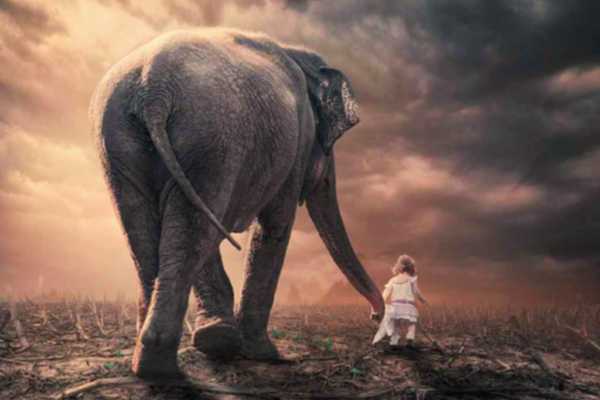
Spirit animals and spirit guides appear in shamanic traditions. They are symbols of wisdom, protection, and guidance. These spirit allies are essential to the exploration of the inner world.
These spirit entities are not random images from the imagination. In many traditions, they represent qualities within the human psyche. A wolf may symbolize loyalty. An owl may represent insight. A bear may reflect strength and introspection.
Spirit guides play a vital role in the symbolic experiences of shamanic consciousness. Working with these archetypes helps people grasp the deeper messages from the subconscious.
Meeting spirit allies on the shamanic path
Spirit animals are one of the most well-known ideas in shamanic traditions. Many cultures describe them as helpers that appear when a person enters a vision, dream, or shamanic journey. These animals are not simply decorations in the mind. They often act like spirit guides that show a traveler where to go, what to notice, or what lesson is waiting to be learned.
In shamanic practice, people believe that the natural world is alive with meaning. Animals are part of that living world. Because of this connection, animals often appear in visions as symbols of instinct, wisdom, and natural power. Each animal carries certain traits that humans recognize. When these traits appear during a journey, they may reflect something important happening in the seeker’s life.
An animal might appear at a key moment on the shamanic path. It might guide the traveler through a landscape, or it might simply appear and observe. Sometimes the message is clear. Other times, the meaning becomes clear later through reflection.
These encounters often happen while journeying through the mind’s eye. Visualization allows the imagination to build landscapes where symbols can appear. Here, the mind is calm and focused. It enables animals, landscapes, and archetypes to emerge as part of the inner experience.
These encounters remind us of something simple but powerful: humans are not separate from nature. The same life force that moves through forests, rivers, and animals also moves through us.
What is a spirit animal?
Definition and meaning
A spirit animal is a symbolic guide that appears on the shamanic path. The animal represents qualities that may help the seeker understand something about their life.
For example, a wolf may represent loyalty, teamwork, and strong instinct. A hawk might represent clear vision or awareness. A bear might represent strength or the need for rest and reflection.
In many traditions, spirit animals are seen as helpers that live in the unseen world. They are not physical animals, yet they carry the wisdom of the natural world. When they appear during a journey, they often show a quality the seeker needs to recognize or develop.
Some people experience spirit guides as teachers. Others experience them as protectors. In many cases, the animal is simply a messenger that helps translate the deeper language of the subconscious mind.
These ideas come directly from the core principles of shamanism. In this system, humans, animals, nature, and spirit are players in a single interconnected system.
Spirit animals vs totem animals
Different cultures use different terms when speaking about animal spirits. These terms often describe slightly different relationships with animals.
- Animal Spirits are personal guides encountered through journeys or dreams.
- Totem Animals represent connections shared by a tribe, family, or lineage.
- Power Animals are protective allies that provide strength and support during spiritual work.
In everyday conversation, people often use these words interchangeably. However, traditional cultures usually make clear distinctions between them. Regardless of the term used, the basic idea is the same: animals can serve as symbolic teachers that reflect important aspects of human life.
The role of spirit animals and spirit guides
Guidance and insight
One of the main roles of a spirit animal is to offer guidance. During a journey, the animal may appear and lead the traveler somewhere meaningful. It might show a path through a forest, guide the traveler across water, or simply sit nearby and watch.
The animal’s behavior often contains a message. If the animal moves quickly, the message might involve taking action. If it waits patiently, the message might involve slowing down and observing.
The lesson is not always obvious at first. Sometimes the meaning becomes clear only after thinking about the experience later.
Protection
Many shamanic traditions describe protective spirit animals known as power animals. These animals act as guardians. They help keep the traveler safe while exploring unfamiliar parts of the symbolic world.
People sometimes describe feeling stronger or calmer when a power animal appears during a journey. The animal’s presence can create a sense of safety that allows the traveler to continue exploring deeper experiences.
Teaching and transformation
Spirit animals often appear when a person is going through change. The animal may represent a quality the person needs to develop in order to move forward.
- A wolf may represent leadership and loyalty.
- An owl may represent awareness and the ability to see what others miss.
- A bear may represent strength, rest, and inner reflection.
These animals are not giving direct instructions. Instead, they reflect traits that already exist within the person but may not yet be fully understood.
How spirit animals appear during a shamanic journey
Entering the shamanic state of consciousness
The shamanic path often begins by entering a relaxed and focused state of awareness. This state is sometimes called the Shamanic State of Consciousness. It is reached through methods such as drumming, breathwork, or visualization.
When the mind becomes calm, symbolic images and guides begin to appear naturally.
Common forms of encounter
Spirit animals can appear in many ways during a journey.
- An animal may approach the traveler and make eye contact.
- An animal may guide the traveler through a landscape.
- An animal may appear several times across different journeys.
- An animal may demonstrate behavior that carries symbolic meaning.
Sometimes the animal speaks. Other times, it communicates through movement or presence. Even small details can carry meaning.
For example, a bird flying overhead might suggest gaining a higher perspective. A fish swimming in deep water might symbolize exploring emotions or hidden thoughts.
Symbolism and interpretation
Understanding symbolic language
The shamanic state communicates through symbols rather than direct language. Symbols allow complex ideas to appear in simple images.
Animals hold strong symbolism since humans have coexisted with them for thousands of years. Over time, people learned to associate certain qualities with different animals.
A snake might represent transformation because it sheds its skin. A butterfly might represent change because it transforms from a caterpillar.
These symbols appear again and again in myths, dreams, and spiritual traditions around the world.
Personal meaning and cultural meaning
Traditional symbolism can provide helpful clues about what an animal might represent. However, personal experience also plays an important role.
For someone raised by the ocean, a dolphin may hold a special meaning beyond its usual symbolism. A strong childhood experience with a specific animal can shape how that symbol appears later in life.
Because of this, interpretation should combine cultural understanding with personal reflection.
Common spirit animal archetypes
A spirit animal archetype is a symbolic animal that represents human traits or life lessons. Psychologically, it reflects universal patterns in the mind, known as archetypes. These often appear in dreams and stories. Culturally, this concept comes from traditions where people observed animals. They used these symbols to teach wisdom about human behavior and our bond with nature.
The wolf is often associated with instinct, loyalty, and leadership. Wolves live in social groups and rely on cooperation. When a wolf appears in a journey, it may suggest the importance of teamwork, trust, or personal strength.
The owl is commonly linked with wisdom and perception. Because owls can see well in the dark, they often symbolize the ability to notice hidden truths or understand things others may overlook.
The eagle is often connected with vision and freedom. Flying high above the landscape allows the eagle to see the larger picture. In journeys, this symbol may suggest gaining a broader perspective on life.
The bear represents strength and introspection. Bears spend long periods in hibernation, which can symbolize rest, healing, and inner reflection.
Ravens are frequently linked with mystery and transformation. In many cultures, they appear as messengers between worlds or symbols of change.
Developing a relationship with spirit guides
Practice and patience
Building a relationship with spirit allies often takes time. In many traditions, people return to the same practice repeatedly. Over time, patterns begin to appear.
An animal that appears once may appear again during later journeys. Each encounter may reveal new layers of meaning.
Journaling and reflection
Many practitioners keep a journal to record their experiences after each journey. Writing down what happened helps the mind process the experience and notice patterns.
Over time, the journal may reveal connections between symbols and real-life situations.
Approaching the experience with respect
It is best to approach spirit allies with curiosity and humility rather than with expectation or control. Trying to force an experience usually weakens it.
Instead, the traveler allows the experience to unfold naturally.
Ethical and cultural considerations
Respect for indigenous traditions
Many teachings about spirit animals come from indigenous cultures. These cultures have kept these practices alive for thousands of years. These traditions survived despite centuries of suppression and misunderstanding.
Learning about these traditions with respect helps preserve their meaning and historical context.
Avoiding cultural appropriation
Spirit animal symbolism is sometimes treated casually in modern culture. However, in many communities, these teachings are considered sacred.
Being humble and curious about the topic helps avoid misunderstandings. It also keeps the focus on learning instead of just copying.
Spirit allies and the inner world
Modern psychology offers another way to understand spirit animals. Psychologist Carl Jung described similar images appearing in dreams and myths around the world. He called these recurring images archetypes.
According to this view, these entities may represent patterns within the human mind. They help translate emotions, instincts, and experiences into images the mind can understand.
Interpreted with both spiritual and psychological perspectives, these symbols can provide insight. They can be leveraged to facilitate personal growth and emotional awareness.
Conclusion: listening to the language of symbols
Spirit animals remind us that wisdom does not always arrive as clear instructions. Often, it appears through images, stories, and symbols that encourage reflection.
Understanding these symbols can help people learn about themselves. It also shows their connection to nature.
Meeting and developing a relationship with spirit animals can guide your spiritual journey. They require patience, respect, and reflection.
References
- The Shamanic State of Consciousness: Cognitive and Neuropsychological Perspectives. Anthropology of Consciousness.
- Dreaming, Symbolism, and the Cognitive Function of Imagery. Frontiers in Psychology.
- Shamanism. Encyclopædia Britannica.
- The Psychology of Dreams. American Psychological Association.
- The Role of Symbolism and Imagery in Human Cognition. Frontiers in Human Neuroscience.
- Totemism. Encyclopædia Britannica.