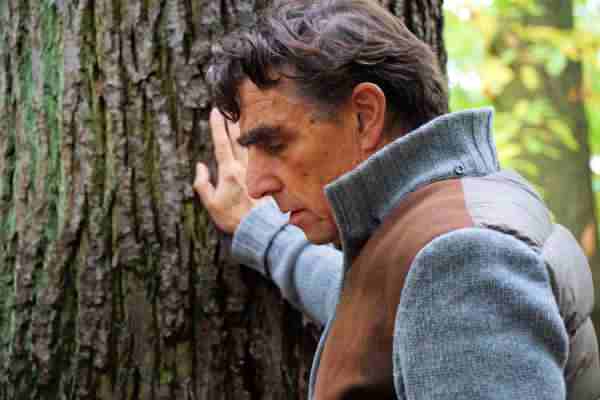
Tree grounding techniques are a form of passive health therapy. They rejuvenate the body, mind, and spirit. It is something that we need in our modern, hectic world. Come and see how easy it is to learn and incorporate them into your routine.
When we lose connection with nature, we become disconnected from everything. We lose the value of life, which can make us feel isolated. The benefits of tree grounding exercises reverse these harmful effects. These methods restore our relationship with nature.
We’ll start our discussion by explaining what grounding is all about. Then, we’ll provide you with an FAQ, outline the health benefits, list the various components, and offer examples of how to combine them.
Rejuvenate the Body, Mind, and Spirit
Grounding is all about feeling steady, calm, and connected to the earth. In practices like Tai Chi and Qigong, it means standing in a relaxed manner, with feet planted and body balanced. You move slowly and smoothly, constantly aware of your balance, which helps you stay centered, not just in your body, but also in your mind.
Tree grounding works in a similar way. You stand or sit by a tree, maybe touching it, and imagine yourself rooted like it—firm, still, and part of the earth. You don’t need to do anything fancy. Just be present, breathe, and let yourself feel supported. It is related to the Japanese natural health method of Forest Bathing. In Forest Bathing, you walk through the trees or forest. Tree grounding focuses on a single tree for a more profound, singular experience.
These methods are based on the mindfulness meditation platform. They offer passive ways to help with restoration.
Natural Passive Health Therapy
Passive health methods require minimal effort. In the case of grounding with trees, the passive element is allowing nature to do the healing. You just lie down, sit still, or relax while someone or something helps your body feel better. You’re not moving or exercising. You let the therapy do the work.
Natural healing remedies like Reiki, Pejut, and acupuncture are passive therapies. Tree grounding techniques fit into passive health therapy. You sit or stand near a tree, place your hands or feet on it, and focus on feeling calm and connected to the earth. You don’t have to do anything else. The techniques are as simple as breathing, walking, and sitting.
You’re not forcing anything—you’re just being present, letting nature do the work, like a gentle reset for your system.

You expose yourself to the therapeutic effects of nature, especially old-growth forests. You relax and open your mind to experience immediate relaxation and a measurable boost in the immune system.
It produces measurable evidence-based improvements in mind and body. Your heart rate and breathing rates are lower. It is a natural, effortless way to rejuvenate the body, mind, and spirit.
Passive health therapy is a part of grounding exercises. They can be traced to indigenous practices, like the Shamanic Journey. Earthing or walking barefoot also uses this same mental technique. Tree grounding and forest bathing share this passive health component.
Want to dig deeper and get better results? Start with the basic two-step sitting meditation process. It helps prepare you for any moving meditation technique like this exercise. When your mind is calm and centered, it will help with any grounding practice. Many sitting and moving meditation methods are built on the grounding method found here.
These methods can be used to create a routine or ritual. They are a perfect way to boost your attitude and immune system. Incorporate them into your health and wellness routine. Let’s address some common questions about these methods.
🌳 Tree Grounding Exercises – FAQ
- Who can benefit from using these methods? Anyone who feels stressed, anxious, overwhelmed, or disconnected can benefit. These practices are great for adults, teens, and even kids. They help refresh your body, calm your mind, and lift your spirit—no matter your age.
- Do I need to be near a real tree to practice it? Not at all. Being outside with a real tree can make it more powerful, but it’s not required. You can use your imagination, focus on your breath, or perform simple grounding exercises indoors as well.
- How long does it take? It doesn’t have to take long at all. Even 2 to 5 minutes can help. Or, if you’ve got the time, you can go deeper and spend a couple of hours. It’s really up to you.
- Can I combine tree grounding techniques with other practices? Absolutely. These grounding methods pair well with yoga, deep breathing, and journaling. You can use them with any spiritual practices you already enjoy. They all fit together nicely.
- What if I don’t feel anything when I try it? That’s totally normal. Sometimes it takes a little practice to notice the effects. Just stick with it, even for a few minutes at a time. It’s the repetition that makes a difference.
- Is there a best time of day to do tree grounding? Any time you’re feeling off or overwhelmed is a good time. Some people prefer to do it in the morning to feel grounded for the day, while others use it at night to relax and unwind.
- Do I need any special tools or training? Nope. You don’t need anything fancy. Just your attention, your intention, and a willingness to slow down and connect—whether that’s with nature or just within yourself.
Before we delve into the specifics of the techniques, let’s review the benefits.
💚 The Benefits of Tree Grounding Exercises
Emotional and Mental Well-Being
- Reduces Stress and Anxiety. Spending time with or visualizing trees helps calm the nervous system. It lowers cortisol levels and eases mental tension. A few minutes of stillness can help rejuvenate the body, mind, and spirit.
- Improves Focus and Mental Clarity. Grounding techniques help shift attention away from self-talk. They bring your awareness back to the present, improving concentration.
- Regulates Emotions. By connecting with the steady, rooted energy of a tree, you can feel more emotionally balanced and less reactive. One of the benefits of tree grounding exercises is the positive effect they have on our mood. The effects are immediate.
- Improves Sleep Quality. By calming the mind and body before bed, grounding can help you fall asleep more easily and sleep more deeply.
Nervous System and Physical Health
- Supports Nervous System Health. Breath and movement-based grounding activate the parasympathetic nervous system. This mode of the nervous system helps your body to rest, digest, and heal.
- Encourages Mind-Body Integration. Physical grounding practices make us feel more stable and connected to our bodies. Mind-body integration increases resilience by reducing feelings of dissociation.
- Builds Inner Strength and Stability. The practice of grounding builds emotional stability and control. It is an asset during times of change, uncertainty, or emotional overwhelm.
Spiritual and Personal Growth
- Does Not Require Belief in Religion. People who practice nature-based systems find it easy to blend this technique into their practice. One of the benefits of tree grounding exercises is that it transcends the barriers of religion. We see these methods practiced in indigenous cultures worldwide. Chances are, this technique probably originated in pagan or pre-organized religious cultures.
- Enhances Self-Awareness. Reflective and creative techniques facilitate the exploration of your inner world. Increased self-awareness enables you to recognize patterns and gain a deeper understanding of your needs and feelings.
- Strengthens Connection to Nature. Tree grounding techniques create a sense of belonging and connection to the natural world. This mindset improves our mood and well-being. Spending time in nature is shown to rejuvenate the body, mind, and spirit.
- Promotes Spiritual Centering. Rituals and symbolic practices can create a sense of peace, purpose, and connection to something greater than yourself.
Understanding the benefits of tree grounding and passive health therapy is important. It provides the reasons for using these methods. Keeping these benefits in mind will help you spot them in your practice. We recommend using a journal to keep track of your experiences with the different methods. Find out what works for you. It’s time to look at the different components.
The Components of Tree Grounding Techniques
We divide these processes into components or elements. You can use them separately or together with others.
- 🌿 Visualization-Based Techniques
- 🧘 Movement-Based Techniques
- 🌬️ Breath-Focused Techniques
- 🌿 Sensory and Nature-Based Techniques
- 🧠 Cognitive and Reflective Techniques
- 🎨 Creative and Expressive Techniques
- 🕯️ Spiritual or Ritual-Based Techniques
Tree Grounding Exercises
Read through the list of techniques and find one or more that resonate with you. Try them and record your experience in a journal. Experiment with various combinations and see how they improve other areas of your life.
🌳 Visualization-Based Techniques
These techniques use mental imagery to help you feel grounded and secure. When you picture yourself as a tree, with deep roots, a strong trunk, and wide branches, it trains your brain to focus and calm down.
This kind of mental practice can help reduce anxiety, improve concentration, and create a sense of emotional stability. It’s invaluable when you can’t physically be in nature but still want to feel connected to it.
Example: Sit quietly and imagine roots growing from the soles of your feet deep into the earth. Picture them spreading wide and anchoring you firmly. As you breathe, feel energy rising through the roots into your body, bringing calm and strength.
🧘 Movement-Based Techniques
These involve using your body to mimic the qualities of a tree. Stand or sit tall. Balance on one foot and sway like a tree in the wind. Movement helps you reconnect with your physical self when you are feeling overwhelmed. It is beneficial for those who have sedentary jobs.
Movement with mental focus, like tai chi, calms your breathing and brings your attention back to the present moment. These techniques are ideal for individuals who find greater grounding through physical activity. Even short sessions can rejuvenate the body, mind, and spirit.
Example: Stand in Tree Pose (from yoga): place one foot on the inside of your opposite leg, hands together at your chest or overhead. Focus on your balance and imagine yourself as a tall, steady tree swaying gently in the wind.
🌬️ Breath-Focused Techniques
Breathwork is an effective way to soothe your nervous system. Breathe slowly and deeply. As you breathe, visualize yourself as a tree. Imagine pulling energy from the earth or letting go of tension through your leaves. This helps your body leave stress mode. These techniques are simple and can be done anywhere, even during a few quiet moments in a busy day.
Example: Inhale slowly through your nose, imagining you’re drawing in energy from the earth through the roots. Exhale through your mouth, releasing tension like leaves falling from your branches. Repeat for a few minutes.
🌿 Sensory and Nature-Based Techniques
These techniques involve physically connecting with nature, especially trees. Touching bark, sitting under a tree, or walking barefoot on the ground helps your senses focus on what is real and present.
This sensory input can calm your mind and body, reduce stress hormones, and improve your mood. A direct, physical way to feel more grounded and supported by the natural world.
Example: Go outside and place your hands on the trunk of a tree. Close your eyes and feel the texture of the bark, the temperature, and the stillness of the tree. Let your senses anchor you in the moment.
🧠 Cognitive and Reflective Techniques
These methods utilize thinking, writing, or reflection to explore your inner world through the metaphor of a tree. For example, you might think of your roots as your past, your trunk as your present, and your branches as your hopes or goals.
Simple reflective rituals and self-observation can rejuvenate the body, mind, and spirit. Thinking about your experiences with a positive attitude helps you recognize your strengths. When we are confident, we tend to be more emotionally balanced. It’s beneficial for people who like to process things through thought or journaling.
Example: Write in a journal about your inner tree. What are your roots (your history or values)? What is your trunk (your current strengths)? What are your branches (your goals or dreams)? Reflect on how grounded you feel today.
🎨 Creative and Expressive Techniques
These involve using art or creative expression to explore your feelings and experiences. Drawing, painting, or building a symbolic tree can help you express things that are hard to put into words.
Creative activities like these engage different parts of your brain and can be very soothing. They also give you a visual reminder of your growth, strength, and connection to the world around you.
Example: Draw or paint a tree that represents how you feel right now. Use colors, shapes, and symbols to show your emotions, energy, or growth. Let the process be intuitive and expressive, not perfect.
🕯️ Spiritual or Ritual-Based Techniques
These techniques employ symbolic actions, such as lighting candles or reciting mantras. You can create a ritual or altar to help you feel connected to something greater than yourself.
Rituals create personal traditions. These can bring a sense of peace, purpose, and meaning, especially during times of stress or uncertainty. Rituals help create structure and comfort. They deepen your sense of grounding by linking your inner world with the natural or spiritual world.
Example: Create a small ritual by lighting a candle and reciting a grounding affirmation, such as, “I am rooted, I am strong, I am growing.” You might place a leaf, stone, or small branch nearby as a symbol of your connection to nature.
Examples of Combining Grounding Elements
Here are some ways to combine different tree grounding techniques for a more effective grounding experience. These combinations blend physical, mental, emotional, and spiritual elements for a deeper impact:
Visualization + Breath-Focused
Example: While sitting quietly, imagine roots growing from your feet into the earth. As you inhale, picture energy rising through the roots. As you exhale, imagine tension flowing down and out through the roots. It combines calming breath with grounding imagery.
Movement + Sensory and Nature-Based
Example: Practice Tree Pose barefoot on grass near a tree. Feel the ground beneath your feet and the breeze on your skin as you balance. This connects your body, senses, and surroundings in one grounding moment.
Reflective + Creative
Example: Journal about your life as a tree—your roots, trunk, and branches—then draw or paint that tree. This helps you process your thoughts and emotions, both through words and visual expression.
Spiritual + Breath-Focused
Example: Light a candle and repeat a grounding mantra like “I am rooted, I am calm” while breathing slowly and deeply. It creates a ritual that calms the nervous system and centers your attention.
Sensory + Spiritual
Example: Place your hands on a tree and silently express gratitude or set an intention. Feel the texture of the bark and the stillness of the tree as part of a grounding ritual. It blends physical touch with spiritual presence.
Visualization + Movement + Breath
Example: Stand tall and sway gently like a tree in the wind. As you move, visualize your roots holding you steady and breathe deeply in rhythm with your movement. This full-body practice engages the mind, body, and breath.
Visualization + Movement + Sensory and Nature-Based
Example: This version starts with the seated mindfulness meditation method. Then you open your eyes and walk, letting your intuition guide you to a tree. Select the tree, then sit or stand, and touch a branch or the trunk. Visualize your consciousness traveling into the tree and down into the roots. If you use a drumbeat along with this, you can enter the Shamanic Journey and have a conversation with the tree.
🌳 Conclusion: Rooted Calmness and Connection
Tree grounding techniques help you reconnect with yourself and your surroundings. You can use visualization, movement, breath, creativity, or spiritual practices. Each method makes you feel more present, centered, and balanced.
Like a tree, you gain strength by staying rooted. You draw stability from within while reaching for your goals. Practicing these techniques regularly boosts your mental clarity, emotional resilience, and overall well-being. You can experience the benefits of tree grounding exercises from your first attempt.
References
- Grounding: The universal anti-inflammatory remedy. National Library of Medicine.
- Natural Passive Health Therapy. University of Minnesota Press.
- Nature and mental health: An ecosystem service perspective. Science Advances.
- The health benefits of the great outdoors: A systematic review and meta-analysis of greenspace exposure and health outcomes. National Library of Medicine.
- Nature experience reduces rumination and subgenual prefrontal cortex activation. Proceedings of the National Library of Medicine.
- The mental health benefits of nature: Spending time outdoors to refresh your mind. The Mayo Clinic.